Hot tub insurance is not usually a separate policy you buy in a neat little box. For most UK owners, the real question is whether your home insurance already covers the tub, where the cover stops, and whether the excess makes a claim worth it.
In This Article
- The Short Answer on Hot Tub Insurance
- What Your Home Insurance Might Already Cover
- The Gaps That Catch Hot Tub Owners Out
- Portable, Hard-Shell and Swim Spa Cover Differences
- What to Ask Your Insurer Before You Buy or Install
- Costs, Excesses and When Cover Is Worth Paying For
- Keep Evidence That Makes a Claim Easier
- Frequently Asked Questions
The Short Answer on Hot Tub Insurance
If you own a cheap inflatable hot tub, extra hot tub insurance is rarely the first thing I would spend money on. I would put the money into a decent cover, a safe electrical setup, and a boring folder of receipts and photos.
If you own a £4,000 hard-shell spa, a swim spa, or a tub built into decking, the answer changes. You need to know exactly how your buildings and contents insurer treats it before something cracks, leaks, blows over, gets stolen, or causes damage to the house.
The practical rule
Ask your insurer before installation if the tub cost more than you would happily replace from savings. That sounds blunt, but it is the useful line.
For a £350 inflatable spa from B&Q, Aldi or Amazon UK, a £250 excess can make a small claim pointless. For a £7,000 hard-shell hot tub from a specialist retailer, a vague “garden contents” limit is not enough comfort.
Hot tub insurance UK cover usually sits in one of three places:
- Buildings insurance: more likely to matter for fixed, built-in or plumbed-in installations.
- Contents insurance: more likely for portable tubs, inflatable spas, covers, steps and loose accessories.
- Specified item or policy endorsement: useful when the tub value is above normal garden-item limits.
This is why there is no single yes/no answer. The policy wording matters more than the phrase “garden cover” on the comparison page.
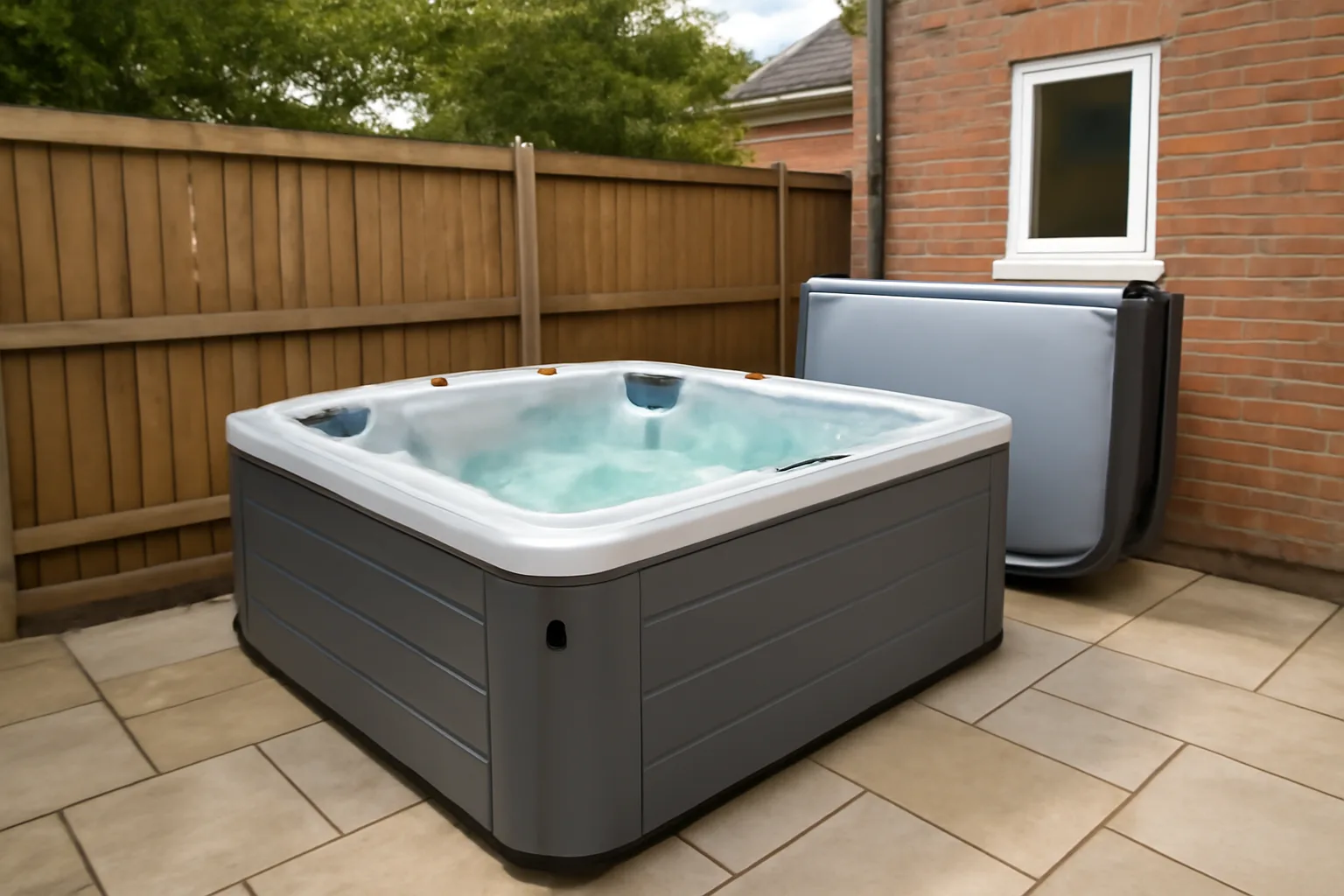
What Your Home Insurance Might Already Cover
Most owners should start with their existing home insurer, not a specialist broker. Ring them, use the web chat, or check the policy booklet for “garden contents”, “outbuildings”, “fixed domestic equipment”, “accidental damage”, “storm” and “escape of water”.
Portable tubs usually sit closer to contents
An inflatable or moveable hard-shell tub may be treated as contents because it is not part of the building. That can be useful, but contents policies often have garden limits. A policy might cover garden furniture up to £1,000 or £2,000, then require expensive items to be listed separately.
As a real market example, Lemonade’s UK garden insurance explainer says built-in hot tubs and pools are typically treated under buildings cover, while portable hot tubs may sit under contents cover. It also warns that some insurers require extra cover for high-value items, which is exactly the point to check before relying on a generic garden limit.
Fixed tubs may sit closer to buildings
A hard-shell hot tub built into a deck, connected to a fixed electrical supply, or installed as part of a larger garden room project may be treated differently. Some insurers may see it as buildings-related equipment; others may still treat the shell and accessories as contents.
This is where owners get caught. They spend £5,000 to £12,000 on a tub, another £800 to £3,000 on base, delivery and electrical work, then assume the policy has followed along politely. It may not have.
If your installation involved a new supply, read our hot tub electrical requirements UK guide as well. Insurers can care about proper installation after a claim, especially where electrical damage, fire or water escape is involved.
Accidental damage is the big divider
Basic buildings and contents cover may not include accidental damage as standard. That matters because many hot tub problems are not dramatic storms or thefts. They are cracked panels, punctured liners, torn covers, damaged control panels, falling branches, dropped tools, pets, children, or a strimmer catching an inflatable wall.
The useful point is not that every accident will be covered. It is that the expensive claims are often boring, physical incidents: a cracked side panel, a torn liner, a storm-damaged cover, or something dropped into the water. If those are the risks you care about, ask specifically about accidental damage rather than assuming the basic policy includes it.
I would rather pay for accidental damage on a £6,000 hard-shell tub than on a cheap seasonal inflatable. The maths is different.
The Gaps That Catch Hot Tub Owners Out
The problem is rarely “no insurance exists”. The problem is assuming cover is broader than it is.
Common exclusions to check
Read the exclusions before you relax. The awkward bits are usually in the small print:
- Wear and tear: faded covers, tired seals, brittle pillows and ageing jets are maintenance, not insurance events.
- Poor maintenance: damage linked to neglected water chemistry, frozen pipework or blocked filters may be refused.
- Storm definitions: ordinary bad weather may not count as a storm under the policy wording.
- Frost damage: some policies expect reasonable winter protection, draining or running procedures.
- Business use: holiday lets, hire tubs and paid use are a different risk from family use.
- Unspecified high-value items: garden-item limits may be lower than the tub’s replacement cost.
That maintenance point is not just insurer fussiness. Warm aerated water needs proper control. The HSE guidance on spa pools is mainly aimed at managed systems, but the underlying warning still applies at home: hot tubs need sensible water hygiene, temperature control and maintenance to avoid avoidable risk.
Our hot tub water care schedule is the routine I would use to reduce both water problems and awkward “was this maintained?” conversations.
Theft is not always simple
A small inflatable tub can be stolen if it is deflated and boxed. A hard-shell hot tub is harder to steal, but covers, steps, lifters, speakers and accessories are easier targets.
Locking gates, lighting and not leaving expensive accessories loose can matter. So can receipts. A £180 cover lifter from a specialist hot tub retailer is not the same thing as a £25 accessory tray from Amazon UK, but you need proof if you want the insurer to care.
Liability is easy to forget
If a guest slips on wet decking, trips on a cable, or is hurt because a cover or step failed, the liability side of your home insurance may matter more than the tub itself.
This is another reason to avoid casual bodges. A proper step set might cost £60 to £180. A handrail can cost £80 to £250. Non-slip matting around the tub might cost £20 to £70. Those are not thrilling purchases, but they are easier to defend than a wobbly plastic box used as a step.
Portable, Hard-Shell and Swim Spa Cover Differences
Different tubs create different insurance questions. Do not describe yours vaguely as “a hot tub” and expect the insurer to infer the right value and risk.
Inflatable hot tubs
Inflatable tubs usually cost about £300 to £900, with premium Lay-Z-Spa or Intex models sometimes pushing higher in summer bundles. The cover question is mostly about accidental damage, garden contents limits, theft, and whether the excess is worth paying.
For a cheap inflatable, I would focus on prevention:
- Floor protection: £30 to £60 for a proper mat or foam protector.
- Replacement cover: roughly £35 to £90 depending on size and brand.
- Starter chemicals: about £25 to £45 for a sensible kit.
- Safe outdoor power: often £120 to £300 for an electrician-installed socket, depending on the route and protection needed.
That does more for most owners than paying extra to insure a tub that is only worth a few hundred pounds after the excess.
Hard-shell hot tubs
Hard-shell hot tubs often sit in the £3,000 to £12,000 range, with more expensive models above that. They are heavier, more permanent, and more likely to involve a prepared base, specialist delivery and fixed electrical work.
Here, I would tell the insurer:
- Purchase price: include VAT, delivery, cover and accessories if bundled.
- Installation type: freestanding, built into decking, under a gazebo, or sunk into a patio.
- Electrical work: confirm it was done by a qualified electrician and keep paperwork.
- Security: locked garden, side gate, lighting, cover locks and access route.
If you are still choosing the model, our UK hot tub cost guide gives the bigger price picture.
Swim spas
Swim spas can cost £12,000 to £30,000 or more, before craning, base work, electrics and landscaping. At that point, the insurance conversation should happen before the deposit is paid.
A swim spa is not a garden toy. It is a major installation with high replacement cost and awkward access. The policy needs to cover not just the shell, but the realistic cost of removal, replacement, delivery and reinstatement if something serious happens.
For installation planning, see our swim spa installation guide. From an insurance angle, the key detail is evidence: quote, invoice, access plan, electrician paperwork, photos and maintenance history.
What to Ask Your Insurer Before You Buy or Install
Do not ask, “Am I covered for a hot tub?” That invites a vague answer. Ask specific questions and keep the reply.
The call checklist
Use this wording as a starting point:
- Describe the tub: inflatable, portable hard-shell, fixed hard-shell or swim spa.
- Give the value: purchase price, delivery, cover, accessories and installation costs.
- Explain the position: patio, decking, garden room, gazebo, raised platform or indoors.
- Ask which section applies: buildings, contents, garden contents, specified item or endorsement.
- Ask about accidental damage: liner punctures, cracked panels, storm damage, falling branches and cover damage.
- Ask about water damage: leaks from the tub into the home, garden room, decking or neighbouring property.
- Ask about liability: guests slipping, children using the tub, and any exclusions for parties or hire.
- Ask for written confirmation: email, policy note or updated schedule.
If the answer is “covered under garden contents up to £1,000”, that is useful but may not be enough. If the answer is “covered if specified”, ask what the premium change is and what excess applies.
Installation changes can affect cover
Tell your insurer if the installation changes from temporary to permanent. A tub that starts as a portable unit on a patio can become a built-in garden feature once you add decking, a gazebo, new electrics and a privacy structure.
Planning rules are separate from insurance, but they can overlap in awkward ways. If your hot tub is part of a raised deck, enclosure or garden building, read our UK hot tub planning permission guide before assuming the structure is invisible to insurers.
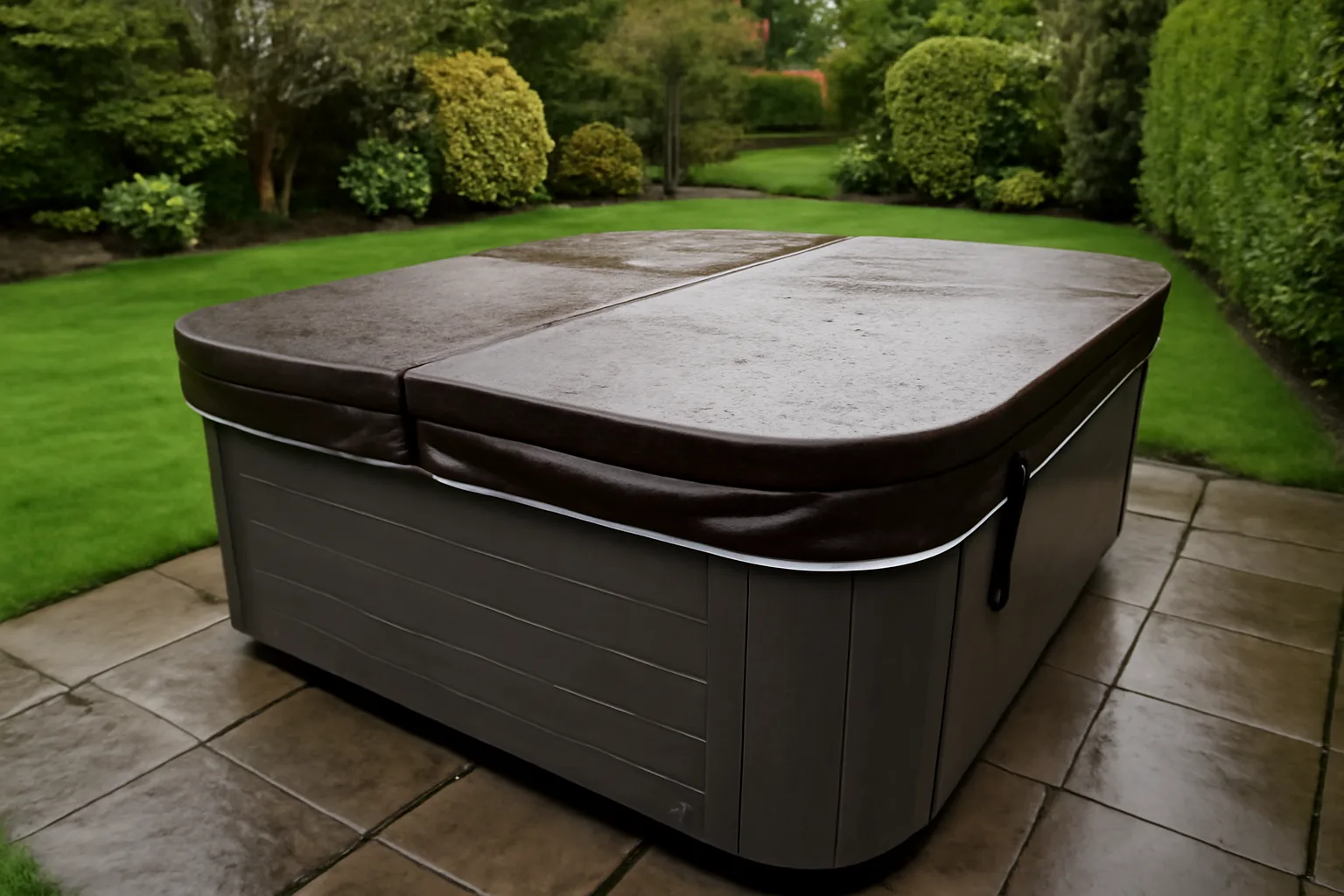
Costs, Excesses and When Cover Is Worth Paying For
The cost of extra cover depends on insurer, postcode, claim history, value, security and policy type. A clean answer like “hot tub insurance costs £X” would be fake precision.
Still, you can make a sensible decision with ranges.
Typical UK cost points to compare
Think in claim sizes:
- Inflatable liner or replacement tub: about £250 to £900.
- Replacement hard-shell cover: roughly £250 to £600 for many standard sizes.
- Cover lifter: about £120 to £300.
- Control pack, pump or heater repair: often £150 to £600 depending on fault and brand.
- Engineer call-out: commonly £90 to £180 before parts, with some specialists charging more for distance.
- Hard-shell replacement: about £3,000 to £12,000 plus delivery/removal.
- Swim spa replacement: commonly £12,000 to £30,000 plus access and craning where needed.
Now compare that with your excess. If your policy excess is £250 and the likely loss is a £300 cover, you may not claim. If the likely loss is a £7,000 tub cracked by a fallen branch, the excess matters far less.
My threshold
For an inflatable under £700, I would normally self-insure unless the extra cover is already included and the excess is low.
For a hard-shell tub over £3,000, I would want written confirmation that the tub is covered for its real replacement value, not just a generic garden contents limit.
For a swim spa, I would not proceed without written policy confirmation. Too much money is tied up in delivery, base, electrics and access.
Keep Evidence That Makes a Claim Easier
Insurance is easier when you can prove what existed, what it cost, and how it was looked after. Do this while everything is working, not after a storm.
Keep a small hot tub file
Save these:
- Purchase invoice: tub, cover, steps, lifter, chemicals starter kit and accessories.
- Installation receipts: base work, electrician certificate, delivery and crane invoices if relevant.
- Photos: tub in position, cover fitted, access route, base, electrics and serial plate.
- Policy confirmation: email or schedule showing the tub value and cover section.
- Maintenance log: water tests, filter cleaning, winterising and service visits.
For winter storage and frost protection, our hot tub winterising guide covers the practical routine. If you leave a tub full, uncovered and unmaintained through bad weather, you are giving an insurer an easy argument.
Photograph changes
Take fresh photos after any major change: new cover, new base, repaired leak, replaced pump, added steps, moved tub, installed gazebo. The phone photos do not need to be artistic. They need to show condition and setup.
If a problem starts, photograph before you move things. A fallen branch on the cover, storm-damaged gazebo, cracked panel, or water escape trail is easier to explain with original photos than with a cleaned-up patio and a shrug.
For fault-finding before it becomes a claim, our common hot tub problems guide is useful. Some issues are maintenance jobs, not insurance events, and spotting that early saves awkward calls.
The bottom line: insure the big losses, prevent the small ones, and get the boring confirmation in writing. Hot tub insurance is less about buying a special product and more about making sure your expensive garden equipment has not fallen between policy definitions.
Frequently Asked Questions
Do I need separate hot tub insurance in the UK? Usually not as a separate policy. Start by checking your home insurance, then ask whether your hot tub is covered under buildings, contents, garden contents or a specified item.
Are inflatable hot tubs covered by home insurance? They may be covered under contents or garden contents, but limits and exclusions vary. Check accidental damage, theft, storm damage and the policy excess.
Does buildings insurance cover a fixed hot tub? It might, especially if the tub is built in or part of a permanent installation, but you need written confirmation from your insurer.
How much does hot tub insurance cost? There is no fixed UK price. Extra cover may be included, added as a specified item, or priced through a revised home insurance quote. Compare that cost with your excess and replacement value.
Will insurance cover hot tub leaks? It depends on the cause and the damage. Sudden accidental escape of water may be treated differently from slow leaks, poor maintenance, frost damage or worn seals.
What proof should I keep for a hot tub insurance claim? Keep invoices, installation paperwork, electrician certificates, photos, serial numbers, policy confirmation, and a simple maintenance log.