You’ve been pricing up hot tubs for three weeks and the numbers make no sense. One site says £3,000, another says £15,000, and the inflatable one in Argos is £400. Your mate Dave says his costs £50 a month to run, but someone on a forum claims theirs is £20. Everyone seems to be talking about a different thing. That’s because they are. The total cost of owning a hot tub depends on what you buy, where you put it, and how often you use it — and the purchase price is only the start.
In This Article
- Hot Tub Purchase Prices by Type
- Installation Costs
- Running Costs: Electricity and Chemicals
- The Base: What It Costs and Why It Matters
- Electrical Supply and Wiring
- Ongoing Maintenance Costs
- Total Cost of Ownership: Year One to Year Five
- Ways to Reduce Running Costs
- Is a Hot Tub Worth the Money?
- Frequently Asked Questions
Hot Tub Purchase Prices by Type
The price range is enormous because “hot tub” covers everything from an inflatable paddling pool with a heater to a swim spa the size of a small car.
Inflatable Hot Tubs: £300-800
The entry point. Brands like Lay-Z-Spa, Intex, and CleverSpa dominate this end. They heat water to 40°C, have bubble jets (not hydrotherapy jets), and seat 4-6 people. They work. They’re fun. They’re not the same experience as a hard-shell tub.
- Pros: cheap, portable, no installation needed, good for testing whether you’ll actually use a hot tub
- Cons: higher running costs (poor insulation), shorter lifespan (2-4 years), no adjustable jets, slow to heat (12-24 hours from cold)
- Best for: first-time buyers, renters, people who want a hot tub for summer only
For our full round-up, the best inflatable hot tubs guide covers specific models in detail.
Plug-and-Play Hot Tubs: £2,000-5,000
A step up. These are hard-shell tubs that run on a standard 13-amp plug — no electrician needed. They have proper hydrotherapy jets (usually 15-30), better insulation, and a more solid build than inflatables. Brands include Canadian Spa, Aqua Spa, and some entry-level models from Jacuzzi and HotSpring.
- Pros: real jets, better insulation, 5-10 year lifespan, minimal installation
- Cons: limited jet power compared to 32-amp tubs, slower heating, fewer features
- Best for: people who want a proper hot tub without the installation hassle
Mid-Range Hard Shell: £5,000-10,000
This is where most serious hot tub owners land. Full-sized acrylic tubs with 30-60 jets, dedicated pumps, LED lighting, Bluetooth speakers, and good insulation. They require a 32-amp dedicated electrical supply (more on that below). Brands at this level include Jacuzzi J-200/J-300 series, HotSpring Limelight, Superior Spas, and Coast Spas.
- Typical capacity: 5-7 seats
- Insulation: full foam or partial foam
- Lifespan: 10-15 years with proper maintenance
- Where to buy: specialist dealers (Hot Tub Barn, 1 Stop Spas, Splash Pools and Spas), Costco occasionally stocks mid-range tubs at competitive prices
After spending about six months comparing tubs before buying ours, the thing that surprised us most was the gap between a £3,000 plug-and-play and a £6,000 hard shell. The jets, the insulation, the heat-up time — the mid-range tub felt like a different product entirely.
Premium: £10,000-20,000+
Top-tier tubs from Jacuzzi (J-400/J-500 series), HotSpring Highlife, Sundance, and Marquis. Full-foam insulation, 60-80+ jets, multiple pumps, advanced water management systems, and build quality that lasts 15-20 years. Some include WiFi control, waterfalls, and LED light therapy.
At this level, you’re paying for superior jet engineering (Jacuzzi’s PowerPro jets, for example, create a noticeably different hydrotherapy experience from budget jets), industrial-grade components, and long-term reliability.
Swim Spas: £15,000-35,000+
A hybrid between a hot tub and a swimming pool. Large enough to swim against a current, with a separate hot tub section. They need significant space (typically 4-6m long), a reinforced base, and a 32-amp or even 45-amp supply. A different category really, but worth mentioning because people often discover them while researching hot tubs.
Installation Costs
The tub itself is only part of the bill. Getting it into your garden and ready to use involves several costs that sellers sometimes gloss over.
Delivery and Crane Hire
Most hard-shell hot tubs weigh 200-350kg empty. If your garden has side access wide enough for the tub (usually 80cm+ for a standard 4-person, 100cm+ for a 6-person), the delivery team can wheel it in on a trolley. If not, you’ll need a crane.
- Standard delivery (included with most dealers): £0
- Crane hire: £300-600 for a standard lift over a house or garden wall. Some dealers include this; others don’t. Ask before buying
The Base
A hot tub needs a flat, level, load-bearing surface. A 6-person tub filled with water and people weighs roughly 1,500-2,000kg. That’s not going on decking unless it’s been specifically engineered for it.
- Existing concrete patio or paving: £0 (if level and in good condition)
- New concrete pad (2.5m x 2.5m, 100mm thick): £400-800 including materials and labour
- Reinforced decking: £800-2,000 depending on size and access
We’ve got a full guide to choosing a hot tub base if you want the details on concrete vs paving vs decking.
Electrical Work
Any hard-shell hot tub above plug-and-play level needs a dedicated 32-amp electrical supply installed by a qualified electrician. This isn’t optional — it’s a legal requirement under Part P of the Building Regulations.
- 32-amp supply with RCD protection: £300-600 depending on the distance from your consumer unit to the hot tub location
- Consumer unit upgrade (if your existing one is full or outdated): £200-400 extra
- Armoured cable run through the garden: included in most quotes, but longer runs (15m+) add cost
For the complete electrical breakdown, see our hot tub wiring guide.
Running Costs: Electricity and Chemicals
This is where the real money goes — not the purchase, but the monthly running costs over 10+ years of ownership.
Electricity
A hot tub uses electricity to heat the water, run the pumps, and power the filtration system. The heating element is the biggest draw.
Typical monthly electricity costs (2026 UK energy prices, ~24p/kWh):
- Inflatable hot tub: £40-80/month (poor insulation means the heater runs constantly)
- Plug-and-play hard shell: £30-50/month
- Mid-range hard shell (32-amp): £25-45/month
- Premium hard shell (full foam insulation): £20-35/month
- Swim spa: £60-120/month
These assume the tub is kept at 37-38°C year-round and used 3-4 times per week. Turning the temperature down to 34°C when you’re not using it, or using a timer to heat during off-peak electricity hours, can cut costs by 20-30%.
Chemical Costs
You need chemicals to keep the water safe — this isn’t optional. Untreated hot tub water becomes a bacterial playground within days.
- Chlorine or bromine sanitiser: £5-10/month
- pH adjusters (pH+ and pH-): £3-5/month
- Shock treatment: £3-5/month
- Test strips: £5-10/month (or a digital tester at £20-40 as a one-off)
- Anti-foam, scale prevention, clarifier: £5-10/month combined
- Total chemical cost: roughly £20-40/month
Our hot tub chemicals beginner’s guide walks through exactly what you need and how to use it.
Water
You’ll drain and refill the tub every 3-4 months (more often with heavy use). A typical 1,000-1,500 litre fill costs about £2-4 on a metered water supply. Not a significant cost.
The Base: What It Costs and Why It Matters
Why You Can’t Skip This
A filled hot tub exerts roughly 1,200-1,800 kg/m² of pressure on the surface beneath it. Standard garden paving slabs on sand will shift, crack, or sink — and an unlevel hot tub puts stress on the shell, causing cracks and warranty-voiding damage.
Options by Budget
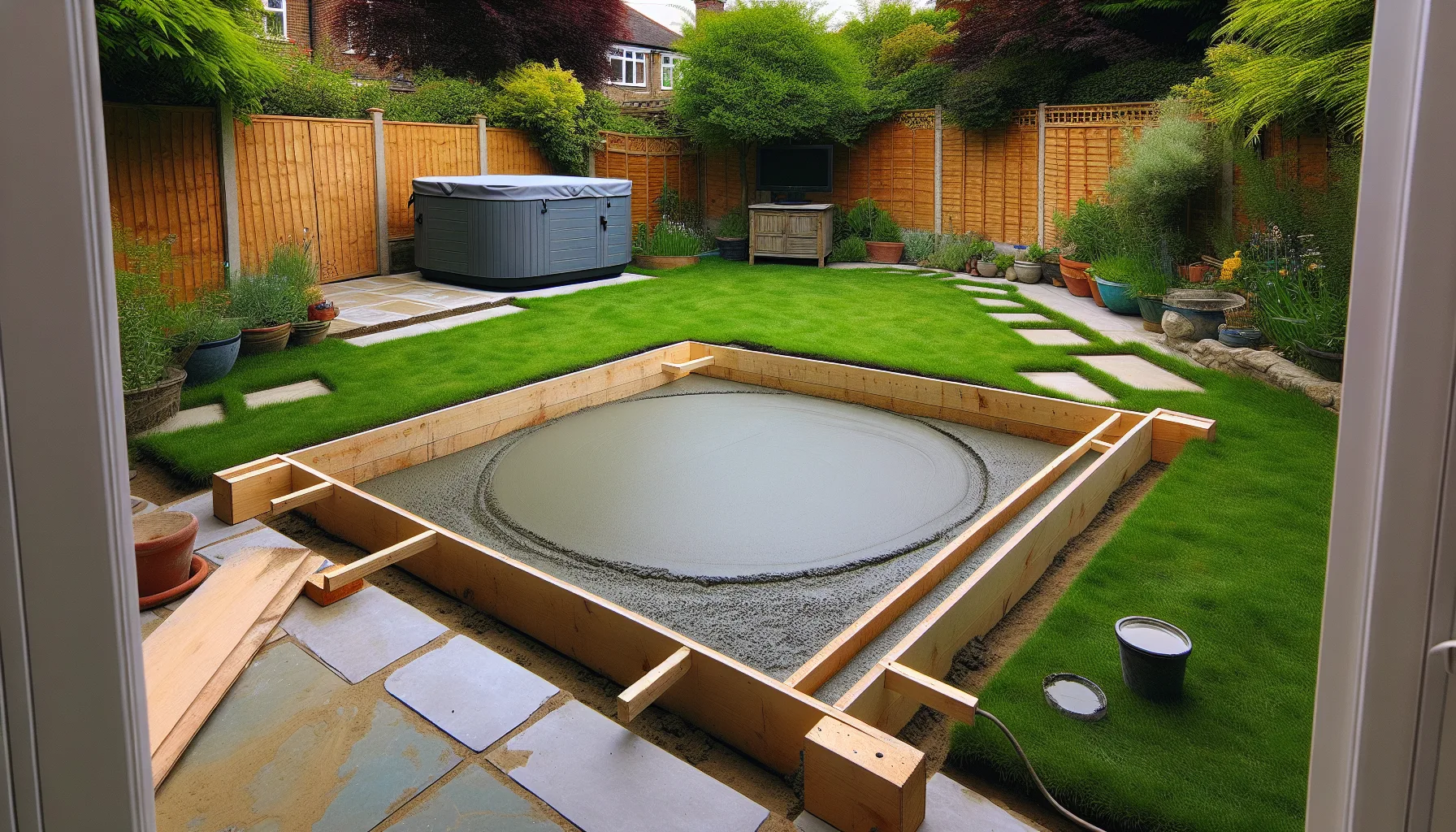
- Concrete pad (the gold standard): £400-800 for a 2.5m x 2.5m pad. Pour 100mm deep on a compacted sub-base. Completely flat, handles any weight, lasts indefinitely
- Paving slabs on concrete base: £300-600. Nearly as good as a full pad, and looks better. Lay 50mm slabs on a 75mm concrete bed
- Reinforced decking: £800-2,000+. Needs structural-grade timber, 150mm+ joists at close centres, and concrete footings. Don’t attempt this as DIY unless you know what you’re doing
- Gravel pad: £100-200. Budget option using compacted MOT Type 1 with a weed membrane. Works for inflatables and lighter plug-and-play tubs but not for heavy hard shells
Electrical Supply and Wiring
The Legal Requirement
In England and Wales, outdoor electrical work (including hot tub wiring) falls under Part P of the Building Regulations. This means:
- The work must be done by a registered electrician (Part P registered, NICEIC, or NAPIT)
- A Building Regulations compliance certificate must be issued
- The circuit must include RCD protection (residual current device — this is what stops you getting electrocuted)
What the Electrician Will Install
- A dedicated 32-amp MCB in your consumer unit (or a separate isolator near the tub)
- An RCD-protected circuit
- Armoured SWA cable from the consumer unit to a local isolator near the hot tub
- A lockable rotary isolator within sight of the tub (so the tub can be disconnected for maintenance)
Cost Breakdown
- Short run (under 10m from consumer unit): £300-400
- Medium run (10-20m): £400-550
- Long run (20m+) or through difficult terrain: £550-700
- Consumer unit upgrade if needed: add £200-400
Get three quotes. Prices vary wildly between electricians, and the most expensive quote isn’t always the best work.
Ongoing Maintenance Costs
Annual Costs Beyond Electricity and Chemicals
- Filter replacements: £20-50 per year (replace every 12-18 months)
- Water care products: included in the chemical costs above
- Cover replacement: £100-300 every 3-5 years. UV and rain break down covers faster than you’d expect — a cover lifter extends their life
- Annual service (optional but recommended): £100-200. A technician checks pumps, seals, heater element, and electrics
- Drain and clean: free if you do it yourself (every 3-4 months), or £50-100 if you pay someone
Repair Costs (When Things Go Wrong)
- Pump replacement: £200-500 including labour
- Heater element: £100-300
- Control board: £300-600 (the expensive one)
- Jet replacement: £10-30 per jet (easy DIY)
- Leak repair: £100-400 depending on location and severity
Most repairs happen after year 5-7 on mid-range tubs. Premium tubs with better components tend to last longer before anything needs replacing.
Total Cost of Ownership: Year One to Year Five
Here’s what a typical mid-range (£6,000) hard-shell hot tub actually costs over five years:
Year One:
- Purchase price: £6,000
- Delivery and installation: £0-600 (crane if needed)
- Concrete base: £500
- Electrical supply: £450
- Chemicals and accessories: £350
- Electricity: £420 (£35/month average)
- Year one total: ~£7,720-8,320
Years Two to Five (per year):
- Electricity: £420
- Chemicals: £300
- Filters and maintenance: £100
- Cover replacement (year 4): £200
- Per year cost: ~£820 (year 4: ~£1,020)
Five-year total: ~£11,000-11,600
That works out to about £180-190 per month over five years. Or roughly £6 per soak if you use it 3-4 times a week. Whether that’s good value depends entirely on how much you use it — which brings us to the final question.
Ways to Reduce Running Costs
The Big Three
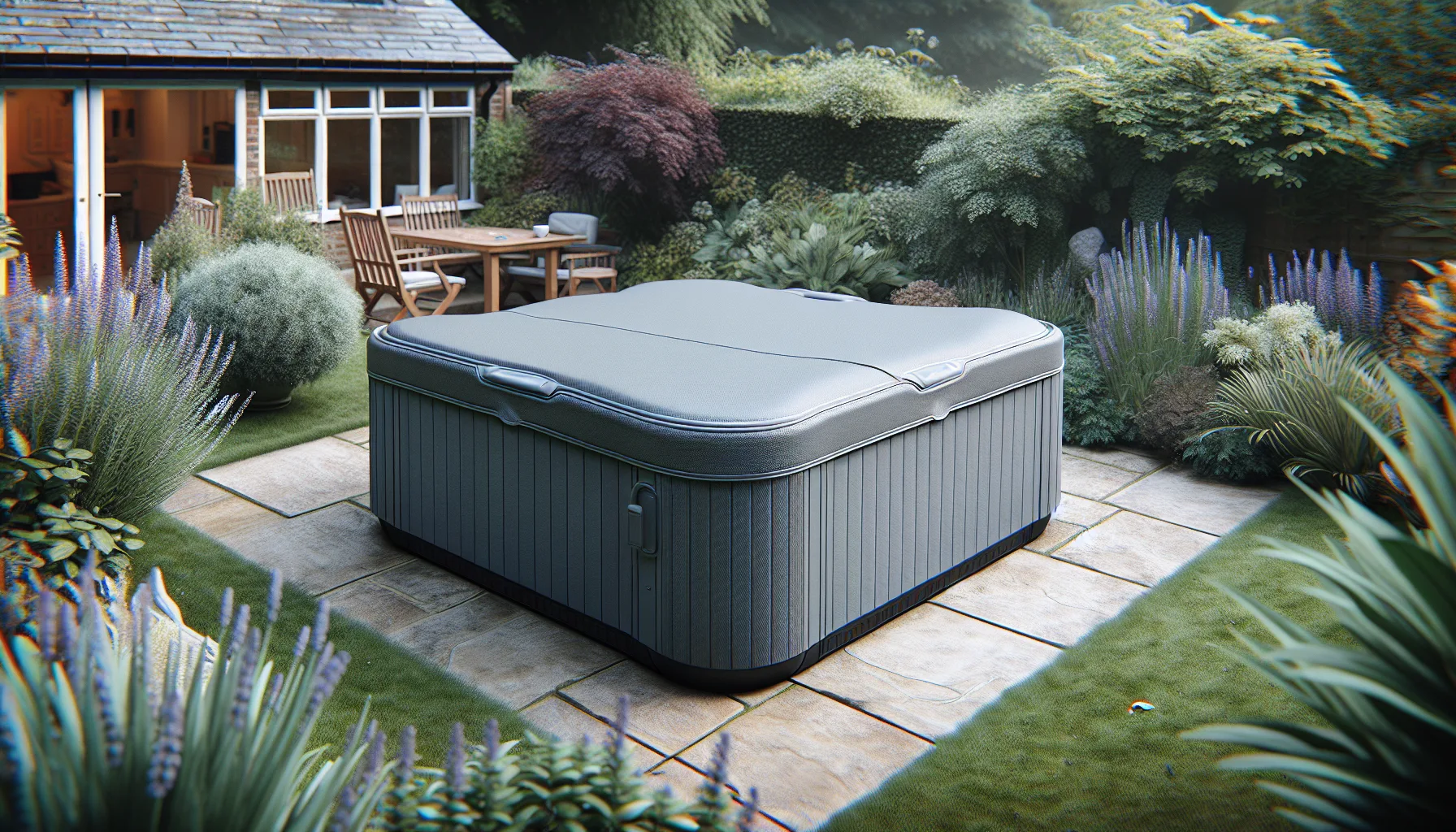
- Keep the cover on. A well-fitting, thick cover (10cm+ of foam) prevents heat loss. Heat escapes from the surface — a good cover cuts electricity costs by 30-40%. This is the single most effective money-saving measure
- Lower the temperature when not in use. Drop from 38°C to 34°C between sessions. The tub heats back up in 1-2 hours rather than the 8-12 hours it takes from cold
- Use a timer. Heat during off-peak electricity hours (Economy 7 or Octopus Go tariffs). Some tubs have built-in timers; others need a separate plug-in timer on the isolator circuit
Other Savings
- Improve insulation. If your tub has partial foam insulation, you can buy aftermarket insulation panels for the cabinet. Costs about £50-100 for materials
- Wind protection. A gazebo or hot tub enclosure blocks wind chill, which is one of the biggest causes of heat loss
- Maintain water chemistry properly. Balanced water means you drain and refill less often, saving water and the energy cost of reheating 1,200 litres from scratch
- Switch energy tariff. If you’re on a standard variable tariff, switching to a fixed or time-of-use tariff can save 10-20% on hot tub electricity alone
Is a Hot Tub Worth the Money?
The honest answer: it depends on whether you’ll use it.
When It’s Worth Every Penny
- You use it 3+ times per week, year-round
- It becomes part of your routine — evening wind-down, post-exercise recovery, weekend family time
- You entertain regularly and it gets social use
- You have muscle or joint pain that benefits from hydrotherapy (owners consistently report improvement in back pain, arthritis stiffness, and sleep quality)
When It’s a Waste of Money
- You use it enthusiastically for three months, then barely touch it
- You buy an inflatable, hate the slow heating and weak jets, and write off the whole concept
- You underestimate the maintenance and the water turns green because you forgot to add chlorine for two weeks
The Test
If you’re unsure, rent one. Several UK companies (Hot Tub Hire UK, Penguin Hot Tubs, and local hire companies) rent inflatable tubs for £150-250 per week. A week’s trial tells you more about whether you’ll actually use a hot tub than any amount of research.
Frequently Asked Questions
How much does it cost to run a hot tub per month in the UK? For a mid-range hard-shell hot tub kept at 37-38°C year-round, expect to pay £45-85 per month total — roughly £25-45 for electricity and £20-40 for chemicals. Inflatable tubs cost more to run (£60-120/month) due to poor insulation. Premium tubs with full-foam insulation cost less (£40-70/month).
Do I need planning permission for a hot tub? No, in most cases. Hot tubs are classified as moveable structures and don’t require planning permission under normal circumstances. However, if you’re building a permanent structure around it (a gazebo or enclosure over 2.5m high within 2m of a boundary), that structure may need permission. Listed buildings and conservation areas have additional restrictions.
How long does a hot tub last? Inflatable hot tubs last 2-4 years. Hard-shell plug-and-play tubs last 5-10 years. Mid-range and premium acrylic tubs last 10-20 years with proper maintenance. The shell usually outlasts the mechanical components — pumps and heaters are replaceable.
Is a hot tub expensive to heat in winter? Winter electricity costs are roughly 30-50% higher than summer because the heater works harder to maintain temperature against colder ambient air. A well-insulated hard-shell tub might cost £35-55/month in winter versus £20-35/month in summer. Keeping the cover on and using a wind break reduces this gap.
What’s the cheapest hot tub that’s actually good? For a genuine hot tub experience (proper jets, decent insulation, 5+ year lifespan), the entry point for hard-shell plug-and-play models is about £2,500-3,500. Below that, you’re looking at inflatables, which work but offer a different experience. For our top picks under budget, see our guide to the best hot tubs under £3,000.