Most hot tub problems come down to four things: poor water balance, restricted flow, heat loss or a part that has finally given up. The useful trick is not guessing which one it is. Test the water first, check the filter and flow second, then decide whether the fix is a £7 bottle of pH adjuster, a clean-and-shock job, or an engineer visit.
In This Article
- Common Hot Tub Problems: Quick Triage
- Cloudy, Foamy or Smelly Water
- Chlorine, Bromine, pH and Alkalinity Problems
- Heating, Flow and Electrical Faults
- Weak Jets, Pump Noise and Air Locks
- Leaks, Covers and Heat Loss
- Prevention Routine That Stops Most Problems
- Frequently Asked Questions
Common Hot Tub Problems: Quick Triage
If the tub looks or feels wrong, do not start by throwing chemicals at it. Start with a short triage check. It saves money, protects the equipment and stops one small imbalance becoming a weekend-draining clean-out.
First five-minute check
Run through this order:
- Look at the water. Is it cloudy, foamy, green, oily or smelly?
- Test sanitizer, pH and alkalinity. A basic 3-in-1 or 4-in-1 strip kit costs about £7-£12 in the UK.
- Check the filter. Remove it, rinse it, and look for collapsed pleats or greasy build-up.
- Check flow and heat. Weak flow can stop the heater working even when the heater itself is fine.
- Listen and smell. Grinding, buzzing, burning smells or repeated electrical trips are stop-use signals.
That order matters. Based on owner reports and routine service notes, water symptoms are often chemistry or filtration before they are a major fault. Heating and electrical symptoms deserve more caution because water and electrics are not a place for heroic DIY.
What you can usually fix yourself
Most owners can handle:
- Cloudy water from low sanitizer. Test, correct, clean filters and shock if needed.
- Foam from detergent or cosmetics. Rinse swimwear, clean filters and use defoamer only as a short-term fix.
- High or low pH. Adjust slowly using pH plus or reducer, usually £7-£10 per tub.
- Dirty filter symptoms. Rinse weekly and deep-clean monthly.
- Simple air locks after refilling. Bleed air according to your manual before assuming a pump fault.
Call an engineer for persistent leaks, tripping electrics, non-heating after flow checks, burnt smells, damaged cables, cracked plumbing or any fault inside the control box. UK hot tub service callouts are commonly around £50-£150, with some firms quoting hourly labour around £50-£100, so it is worth doing the safe checks first but not worth gambling with electrics.
Cloudy, Foamy or Smelly Water
Water problems are the classic hot tub headache because everything is warm, aerated and full of people. The Health and Safety Executive treats spa-pool systems as a recognised source of infectious-agent risk, especially where water is poorly managed; its HSG282 spa-pool guidance is aimed mainly at commercial and managed settings, but the hygiene logic is useful for domestic owners too.
Cloudy water
Cloudy water usually means one of four things: low sanitizer, dirty filters, high pH/alkalinity or too much dissolved muck from bathers. Do not just add clarifier and hope.
Start with the basics:
- Test chlorine or bromine. If it is low, correct it before doing anything else.
- Rinse the filter. A blocked filter makes clear water hard to maintain.
- Check pH. High pH can make sanitizer less useful and leave water dull.
- Shock the water. Use a chlorine or non-chlorine shock according to your sanitizer system.
If the water stays cloudy after 24 hours of balanced readings and filtration, read the deeper cloudy hot tub water guide. That is where the slower causes, such as old water and biofilm, start to matter.
Foam
Foam is usually not mysterious. It often comes from detergent left in swimwear, body oils, hair products, fake tan, lotions or old water. A £8-£12 bottle of foam remover can knock it down, but it does not remove the cause.
The better fix is:
- Rinse swimwear without detergent. This one change prevents a lot of foam.
- Clean the filter properly. Grease and soap residue cling to pleats.
- Check sanitizer. Low sanitizer lets organic load build up.
- Drain if the water is old. If it has been months and the foam keeps returning, stop fighting it.
Bad smell
A hot tub should not smell swampy, sour or aggressively chemical. A strong “chlorine” smell can mean used-up chloramines rather than healthy sanitizer. A musty smell points towards dirty filters, old water or biofilm in pipework.
If there is a rotten, electrical or burning smell, turn the tub off and investigate safely. Do not sit in it to see if it improves. That sounds obvious until you have guests arriving in an hour and start negotiating with yourself.

Chlorine, Bromine, pH and Alkalinity Problems
Chemistry problems are cheaper to fix when you measure first. UK hot tub chemical basics are not expensive: test strips often sit around £7-£10, pH plus/reducer around £7-£10 per 1kg tub, and chlorine or bromine granules commonly around £15-£30 depending on brand and size. Johnsons Wellness, for example, lists hot tub pH Plus around £6.95 and 4-in-1 test strips around £6.98 on its hot tub chemical range.
Low sanitizer
Low chlorine or bromine makes water unsafe faster than most owners expect. Warm water, jets and multiple bathers put a lot of demand on sanitizer.
Fix it like this:
- Test the current level. Do not dose blind.
- Add sanitizer in small measured doses. Follow the product label and tub volume.
- Run the jets with the cover open. Let the water circulate and gases escape.
- Retest before bathing. The reading matters more than the clock.
If sanitizer disappears quickly after dosing, suspect heavy bather load, old water, dirty filters or hidden biofilm.
High or low pH
pH is one of the most common hot tub problems because it moves with aeration, chemicals and fresh water. Low pH can feel harsh and may corrode parts. High pH can make water cloudy and scale-prone.
For a deeper process, use how to lower pH in a hot tub. The short version is: adjust slowly, circulate, retest, then adjust again if needed. Big chemical swings create new problems.
Alkalinity problems
Total alkalinity acts like a buffer for pH. If alkalinity is too low, pH bounces around. If it is too high, pH can be stubborn and scale becomes more likely.
Do not chase pH all afternoon if alkalinity is miles out. Correct alkalinity first, then pH. This is the difference between a calm ten-minute adjustment and a weird chemistry spiral that ends with you ordering more strips at midnight.
Heating, Flow and Electrical Faults
Heating problems are not always heater problems. Many tubs protect the heater if flow is poor, because heating stagnant water can damage components.
Tub will not heat
Check these before assuming the heater has failed:
- Water level: Low water can introduce air and reduce flow.
- Filter condition: A blocked filter can trigger flow errors.
- Temperature mode: Some tubs have economy or sleep modes that heat less often.
- Cover fit: A waterlogged or badly sealed cover loses heat quickly.
- Error codes: Check the manual before resetting repeatedly.
If the tub still will not heat after water level, filter and settings are right, it may be a heater, sensor, relay or control-board issue. That is engineer territory. A small diagnostic callout may sting, but it is cheaper than replacing parts blindly.
Breaker trips or electrics cut out
Stop using the tub. A tripping RCD, burning smell, wet control box or damaged cable is not a “try again later” fault. Isolate power and call a qualified hot tub engineer or electrician.
The HSE’s spa-pool systems page is focused on managed systems, but it underlines the bigger point: hot tubs are warm-water systems that need proper control, maintenance and risk management. Domestic owners do not need commercial paperwork, but they do need to respect water, heat and electrics.
Weak Jets, Pump Noise and Air Locks
Weak jets can come from something simple, such as closed air controls, low water or a dirty filter. Pump noise can be harmless trapped air, or it can be a failing bearing. The difference is in the pattern.
Weak jets
Try this:
- Open the jet faces fully. Some nozzles twist closed.
- Check air controls. Air valves change the feel of the jet stream.
- Raise the water level. Keep it above the intake level recommended by your manual.
- Clean the filter. Flow problems often start there.
- Check for an air lock after refilling. Follow the manual’s bleed process.
Do not run a pump dry or keep cycling it on and off for ages. If flow does not return after the safe checks, stop and get help.
Loud pump noise
A low hum may be normal. A grinding, screeching or rattling noise is not. A trapped-air sound soon after refilling can settle once bled. A bearing noise usually gets worse, not better.
Replacement pump costs vary by model, but UK owners should expect the total bill to be more than a small chemical fix. Parts can run into the low hundreds and labour/callout sits on top. Go Aqua UK gives a useful UK service-cost overview, noting callout fees around £50-£150 and hourly rates around £50-£100 on its hot tub service cost breakdown.
Leaks, Covers and Heat Loss
Some hot tub problems are not dramatic. They just cost money every week.
Slow leaks
A slow water drop can be evaporation, splash-out or a leak. Mark the water level, leave the cover on and jets off for 24 hours, then compare. If the level falls with no use, you have a leak to investigate.
Obvious union drips may only need tightening by hand. Cracked plumbing, pump seals, jet bodies and hidden pipe leaks need more care. Use the dedicated hot tub leak repair guide before taking panels off without a plan.
Heat loss
If the tub heats but cannot hold temperature, look at the cover before blaming the heater. A heavy, sagging cover can be waterlogged. Damaged seals let steam escape. Wind across the cover and cabinet also strips heat fast in UK winter.
Useful checks:
- Cover weight: If it feels much heavier than before, it may be waterlogged.
- Steam leaks: Look around the cover edge on a cold evening.
- Cabinet gaps: Missing panels or poor insulation cost money.
- Winter routine: Use the winterising guide if you plan to shut the tub down.
If you are still choosing a tub size and want to avoid overspending on heat and chemicals, the hot tub size guide is worth reading before your next upgrade.
When to Drain, Shock or Call an Engineer
The hardest decision is often whether to keep fixing the water or give up and drain. Draining feels wasteful, but so does spending £40 on chemicals to rescue water that needed replacing anyway.
Shock the water when
Shock treatment makes sense when sanitizer has been overwhelmed but the water is still recoverable. Typical cases include heavy use, mild cloudiness, a short sanitizer lapse or a smell that suggests chloramines.
Read how to shock a hot tub for the full process. The key is keeping the cover open while gases escape, then retesting before anyone gets back in.
Drain the tub when
Drain when:
- The water is old and repeatedly unstable. If it will not hold sanitizer, stop fighting it.
- There is persistent foam after cleaning and balancing. The dissolved load may be too high.
- There is visible contamination. Do not negotiate with suspect water.
- You are doing a pipe flush. Follow the flush product instructions and refill properly.
Fresh water costs less than a full basket of chemicals and a ruined Saturday. Ask me how I know.
Call an engineer when
Call when the issue involves electrics, repeated trips, non-heating after flow checks, major leaks, loud mechanical noise, control-panel faults or anything that asks you to open sealed electrical areas.
For budgeting, a diagnostic visit around £50-£150 is normal in the UK market, with repair costs depending on parts. A filter clean and chemical reset is cheap; a pump, heater or control-board repair can climb quickly. If a tub is old and several faults arrive together, price the repair against replacement before committing.
Prevention Routine That Stops Most Problems
The best hot tub fix is boring maintenance done before the water turns weird. It is not glamorous, but it works.
Weekly routine
Do this once a week, and after heavy use:
- Test sanitizer, pH and alkalinity. Keep a fresh pack of strips; old strips can mislead you.
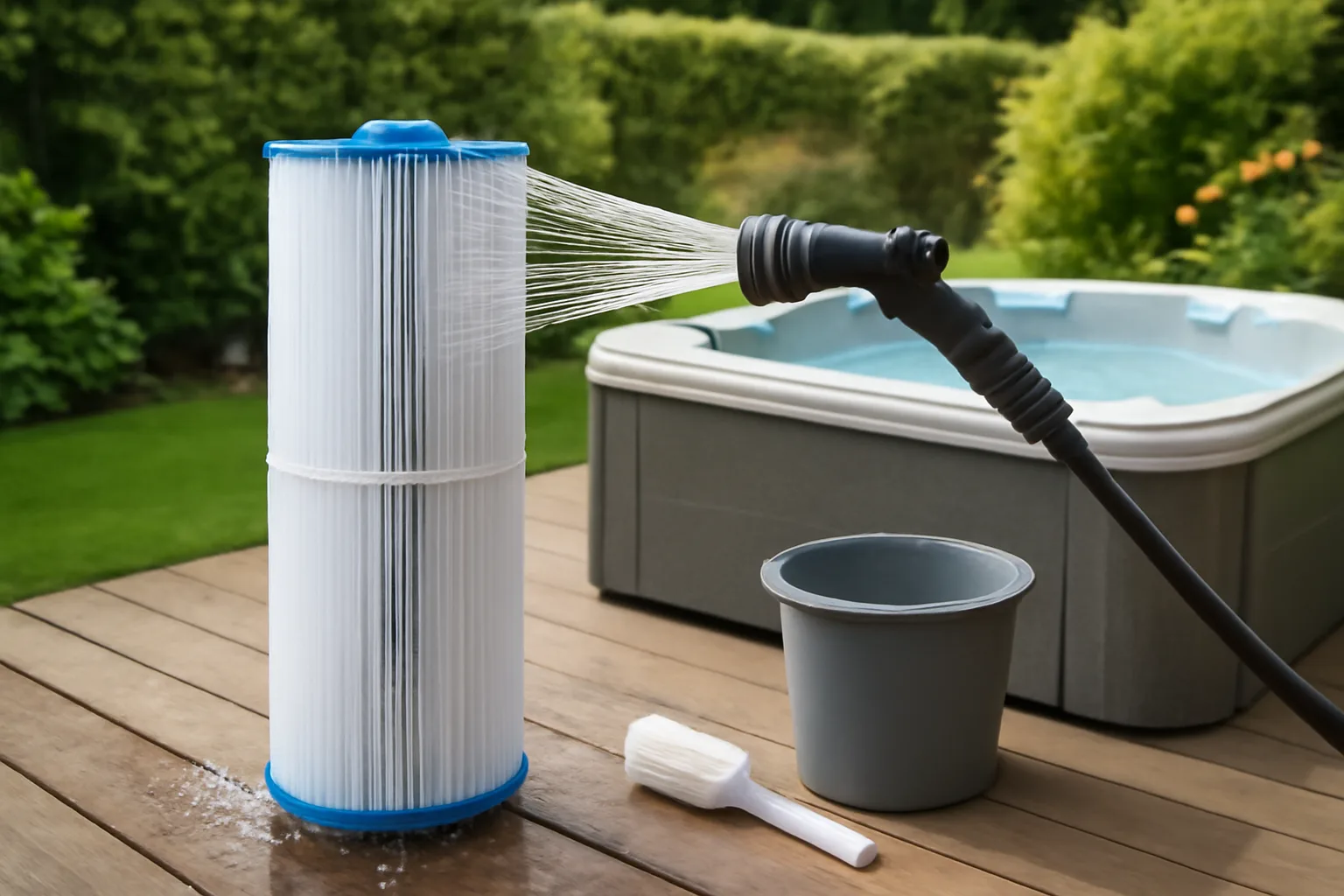
- Rinse the filter. Use a hose, not a pressure washer that can damage the pleats.
- Wipe the waterline. Oils and residue collect there first.
- Check the cover. Look for steam leaks, damage and sagging.
- Listen during circulation. New noises are easier to catch early.
Monthly routine
Deep-clean the filter with a proper cartridge cleaner, inspect jets and pillows, check the cabinet for damp patches and review chemical stock. Filters are not lifetime parts. If the pleats are crushed, stained or greasy after cleaning, replace them.
For most domestic owners, the simple pattern is test, balance, filter, cover. Do those four things consistently and most common hot tub problems stay small enough to fix without drama.
Frequently Asked Questions
Why is my hot tub cloudy even though chlorine is OK? Check pH, alkalinity, filter condition and water age. Sanitizer can read OK while poor filtration, high pH or old water still leaves the tub cloudy.
Should I drain a hot tub with foamy water? Not always. Try cleaning the filter, balancing the water and reducing detergent/body-product contamination first. Drain if foam keeps returning or the water is old.
Why will my hot tub not heat up? Low water, a dirty filter, poor flow, economy mode, sensor faults or heater failure can all stop heating. Check water level, filters and settings before calling an engineer.
Is it safe to use a hot tub if the breaker trips? No. Stop using it, isolate power and get a qualified engineer or electrician to inspect it. Repeated electrical trips are not a normal hot tub problem.
How much does a hot tub repair cost in the UK? Simple chemical fixes may cost under £20, while engineer callouts are often around £50-£150 before parts. Pump, heater or control-board repairs can cost much more.
How often should I clean hot tub filters? Rinse filters weekly and deep-clean them monthly. Replace them when pleats are damaged, greasy after cleaning or flow problems keep returning.