You’ve found the perfect hot tub, measured the garden, planned the base — and now the electrician wants £800 before they’ll even look at it. Hot tub electrics aren’t something you can DIY (legally or safely), but understanding the requirements before you call an electrician saves you from overpaying and ensures the job is done right. I’ve been through this process twice — once for a 13-amp plug-and-play tub and once for a full 32-amp hardwired install — and the difference in cost, complexity, and what you need to know is enormous. For related guidance, see our Hot Tub Chemicals for Beginners: Keep Your Water Crystal Clear guide. For related guidance, see our How to Choose a Hot Tub: The Complete UK Buyer’s Guide guide.
In This Article
- Why Hot Tub Electrics Need a Professional
- 13-Amp vs 32-Amp: Which Does Your Tub Need
- UK Wiring Regulations for Hot Tubs
- The Dedicated Circuit Requirement
- RCD Protection and Consumer Unit Upgrades
- Cable Types and Sizes
- Outdoor Isolation Switch
- Distance from the House and Cable Routing
- Cost Breakdown: What to Expect
- Choosing an Electrician
- Common Wiring Mistakes to Avoid
- Frequently Asked Questions
Why Hot Tub Electrics Need a Professional
Let’s be direct: you cannot legally install a hot tub electrical supply yourself in the UK unless you’re a qualified Part P electrician. Hot tubs combine water and high-current electricity in an outdoor environment — the three things that make electrical work most dangerous.
Under Part P of the Building Regulations, any new electrical circuit in a “special location” (which includes outdoor areas and zones around water) must be installed or certified by a registered competent person. This isn’t advisory — it’s law. Non-compliant work can void your home insurance, create a liability if someone is injured, and cause problems when selling your home.
What a Professional Installation Includes
- Assessment of your existing consumer unit (fuse box) capacity
- Installation of a new dedicated circuit with appropriate RCD protection
- Cable routing from the consumer unit to the hot tub location
- Installation of an outdoor isolation switch
- Testing and certification (BS 7671 Electrical Installation Certificate)
- Notification to your local authority building control
13-Amp vs 32-Amp: Which Does Your Tub Need
This is the first question to answer because it determines the entire scope and cost of the electrical work.
13-Amp (Plug-and-Play)
Some smaller hot tubs — typically inflatable or entry-level rigid models — run on a standard 13-amp plug. They plug into a regular outdoor socket.
- Power: Up to 2.5kW (13A × 230V = approximately 3kW, but the tub’s actual draw is lower)
- Heater size: Usually 1-1.5kW. Takes 12-24 hours to heat from cold.
- Jets: Low-powered or no jets (the heating and pumps share the limited power budget)
- Cost: If you already have an outdoor socket on its own RCD-protected circuit, possibly nothing extra
- Examples: Lay-Z-Spa, most CleverSpa models, some entry-level Canadian Spa models
For our review of best plug-and-play hot tubs, these are the ones that don’t need major electrical work.
32-Amp (Hardwired)
Most rigid hot tubs — including all premium brands — require a 32-amp or 40-amp dedicated circuit hardwired directly to the tub.
- Power: Up to 7.3kW (32A) or 9.2kW (40A)
- Heater size: 2-3kW. Heats in 4-8 hours.
- Jets: Powerful dedicated jet pumps separate from the heater
- Cost: £500-1,500 for the electrical installation depending on distance and complexity
- Examples: Jacuzzi, Sundance, Hot Spring, most Canadian Spa rigid models
How to Check
Your hot tub’s specification sheet or manual will state the electrical requirement. Look for:
- “Plug-and-play” or “13A supply” — standard socket
- “Dedicated 32A supply” or “hardwired” — needs an electrician
- Watts/kW rating: Over 3kW always means 32A+
UK Wiring Regulations for Hot Tubs
The relevant regulation is BS 7671: IET Wiring Regulations (18th Edition, Amendment 2). For hot tubs specifically, sections on special installations and outdoor circuits apply.
Key Requirements
- Dedicated circuit: The hot tub must have its own circuit from the consumer unit — not shared with outdoor lighting, the garage, or anything else
- RCD protection: A 30mA RCD (residual current device) must protect the circuit. This trips the power in milliseconds if current leaks to earth — preventing electric shock.
- Isolation switch: An external disconnect must be installed within sight of the hot tub but at least 2 metres away from it
- IP-rated components: All outdoor electrical components must be rated for outdoor use (IP65 minimum for switches and junction boxes)
- Earth bonding: The hot tub must be bonded to the earthing system
Building Regulations
Under Part P, this work must be:
- Carried out by a registered competent person (NICEIC, NAPIT, ELECSA, or equivalent), OR
- Notified to your local building control department before work starts
In practice, using a registered electrician is far simpler and cheaper than going through building control separately.
The Dedicated Circuit Requirement
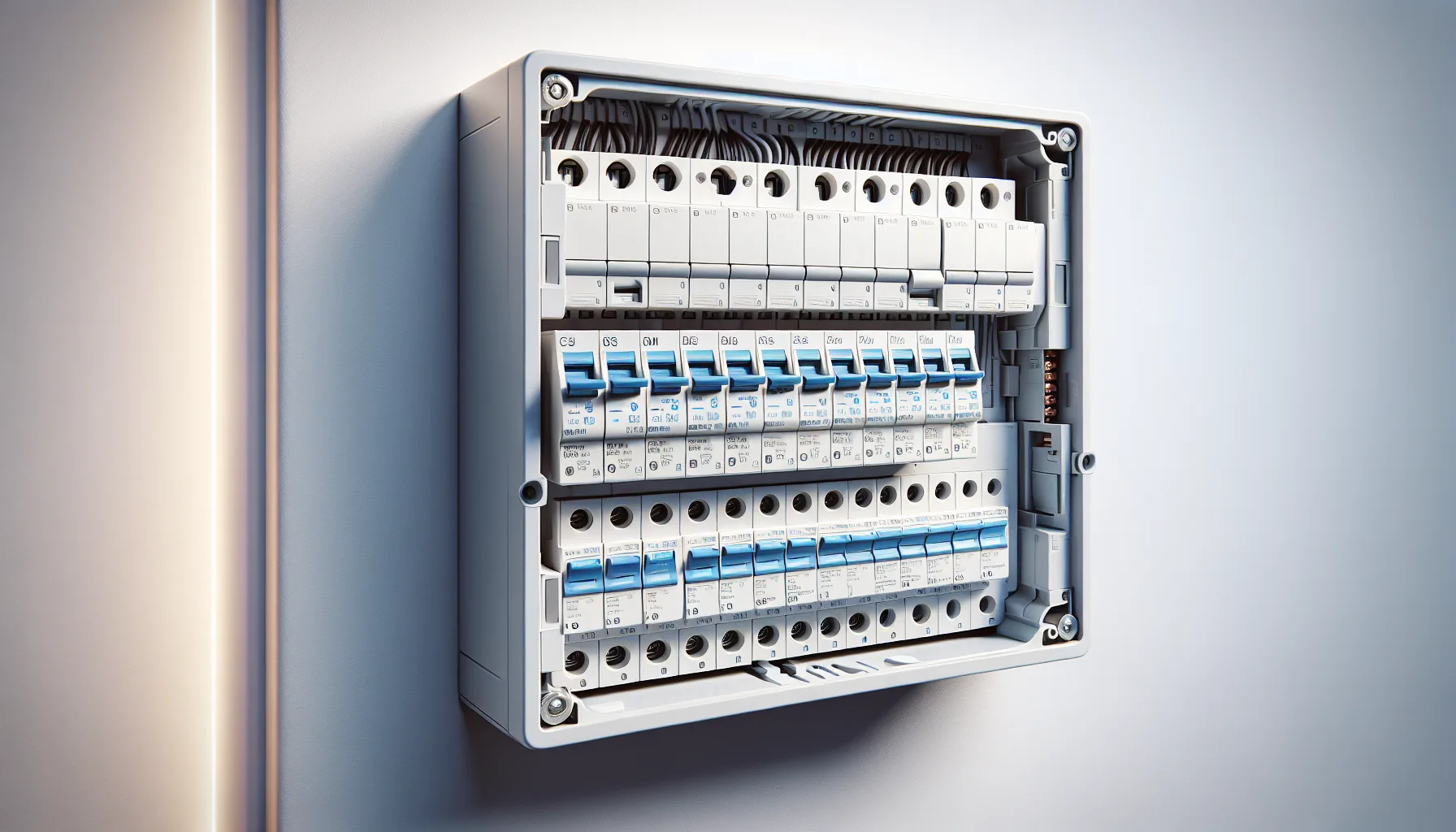
A dedicated circuit means a cable running from the consumer unit (fuse box) directly to the hot tub, protected by its own MCB (miniature circuit breaker) and RCD, with nothing else connected to it.
Why Dedicated
Hot tubs draw significant current, especially when the heater and jets run simultaneously. A 32-amp tub can draw its full 32 amps continuously for hours. Sharing this circuit with other loads risks:
- Tripping the breaker when combined loads exceed the rating
- Voltage drop affecting both the hot tub and whatever else is on the circuit
- Fire risk from overloaded cables
What If You Already Have Outdoor Sockets
An existing outdoor socket might be suitable for a 13-amp plug-and-play tub IF:
- It’s on its own RCD-protected circuit (check your consumer unit)
- The cable rating is adequate (2.5mm² minimum for 20A, but check the circuit breaker rating)
- The socket is IP-rated for outdoor use
- The distance from the consumer unit isn’t excessive (causing voltage drop)
If in doubt, get an electrician to test the existing circuit. A quick assessment costs £50-100 and could save you from an expensive rewire later.
RCD Protection and Consumer Unit Upgrades
What’s an RCD
An RCD monitors the current flowing out on the live wire and back on the neutral wire. If even a tiny amount of current is “leaking” (potentially through a person touching a live part), it trips in under 30 milliseconds. It’s the device most likely to save your life in an electrical fault.
Types of RCD Protection
- RCBO (RCD + MCB combined): The best option. Provides both overload protection and earth fault protection in a single device. About £25-40 each.
- RCD on a separate board/enclosure: An RCD switch protecting the dedicated hot tub circuit only
- Main switch RCD: If your consumer unit already has an RCD main switch, it may protect the hot tub circuit — but a dedicated RCBO is preferred
Consumer Unit Upgrades
If your consumer unit is full (no spare ways) or doesn’t meet current standards (pre-2008 units without RCD protection), the electrician may recommend an upgrade. A new consumer unit costs £250-400 fitted. This is the single biggest potential additional cost.
We’ve found that homes built before 2005 frequently need consumer unit work to accommodate a hot tub circuit. Factor this into your budget.
Cable Types and Sizes
The cable running from the consumer unit to the hot tub must be appropriately sized for the current draw and the distance.
For 32-Amp Circuits
- Cable type: SWA (steel wire armoured) for underground runs, or twin & earth in conduit for surface runs
- Cable size: 6mm² is standard for runs up to about 25 metres. For longer runs, 10mm² may be needed to prevent excessive voltage drop.
- SWA cable is the preferred choice for outdoor installations — the steel armour protects against accidental damage from digging, and it can be buried directly in the ground at 500mm depth (or 450mm under a paved area).
For 13-Amp Circuits
- Cable type: Standard 2.5mm² twin & earth in conduit, or outdoor-rated flex
- The existing socket cable is usually adequate if the circuit is in good condition
Underground Cable Routing
If the cable needs to cross the garden underground:
- Dig a trench at least 500mm deep
- Lay a bed of sand (50mm) for the SWA cable to sit on
- Cover with another 50mm of sand
- Place cable warning tape (yellow, marked “DANGER ELECTRIC CABLE”) above the cable
- Backfill with soil
This sounds like a lot of work, and it is — but it’s necessary. A cable damaged by a garden fork is a serious shock hazard. For tips on choosing the right base for your hot tub, coordinate the electrical and groundwork at the same time.
Outdoor Isolation Switch
An isolation switch (also called a disconnect switch or lockoff) must be installed:
- Within sight of the hot tub — you must be able to see the tub from the switch
- At least 2 metres from the hot tub — far enough that you can’t reach the switch while standing in the water
- Accessible without tools — typically a rotary isolator in a weatherproof enclosure
Why It Matters
If someone has a medical emergency in the hot tub, or if the tub develops an electrical fault, the isolation switch lets you cut power immediately without going back to the house. It’s a safety requirement, not an optional extra.
Cost
An outdoor IP65 rotary isolator costs about £20-30 for the unit itself. Installation is part of the electrician’s overall job.
Distance from the House and Cable Routing
The distance between your consumer unit and the hot tub location directly affects the cost.
Short Run (Under 10 Metres)
- Simplest and cheapest installation
- SWA cable runs along the house wall and across a short garden distance
- Typical cost: £500-700 total
Medium Run (10-25 Metres)
- Underground trench across the garden needed
- 6mm² SWA cable usually sufficient
- Typical cost: £700-1,000 total
Long Run (25-40+ Metres)
- May need 10mm² cable to prevent voltage drop
- Longer trench = more labour
- Possible need for intermediate junction boxes
- Typical cost: £1,000-1,500 total
The Voltage Drop Problem
UK wiring regulations limit voltage drop to 5% of the supply voltage. At 230V, that’s 11.5V maximum drop. Long cable runs with undersized cable exceed this limit, causing:
- Hot tub heater running inefficiently (longer heat-up times)
- Control panel errors or shutdowns
- Pump motors overheating
Your electrician should calculate voltage drop as part of the design. If they don’t mention it, ask — it’s a sign of either thoroughness or inexperience.
Cost Breakdown: What to Expect
Based on real quotes from UK electricians for hot tub installations:
13-Amp Installation
- If outdoor socket exists and is adequate: £0-100 (inspection only)
- If new outdoor socket needed: £150-300
- If consumer unit work needed: Add £250-400
32-Amp Installation
- Cable and materials: £100-300 (depending on distance and cable size)
- Labour (1-2 days): £300-600
- Isolation switch: £20-30
- RCBO: £25-40
- Consumer unit upgrade (if needed): £250-400
- Trench digging (if not DIY): £100-200
- Testing and certification: Usually included in labour
Total Typical Costs
- Simple 32A install (short run, modern consumer unit): £500-700
- Standard 32A install (medium run, some upgrades): £800-1,200
- Complex install (long run, consumer unit upgrade, difficult routing): £1,200-1,500+
Can You Dig the Trench Yourself?
Yes — this is the one part you can legally do yourself. Digging the trench and backfilling after the electrician has laid the cable saves £100-200 on labour. Just make sure the depth is right (500mm minimum) and the electrician approves the route before you dig.
Choosing an Electrician
Must-Haves
- Registered with a competent person scheme: NICEIC, NAPIT, ELECSA, or equivalent. This means they can self-certify the work under Part P. Check their registration online before hiring.
- Experience with hot tub installations: Not all domestic electricians have done hot tubs. Ask how many they’ve installed.
- Written quote, not estimate: A quote is a fixed price; an estimate can change. Get at least three quotes.
- Willing to visit and survey: Any electrician quoting without visiting your home is guessing. The cable run, consumer unit condition, and ground conditions all affect the price.
Red Flags
- Quoting without visiting
- Can’t provide registration numbers
- “A mate can do it cheaper” — unlicensed work voids insurance and is illegal
- Suggesting shortcuts (no isolation switch, shared circuit, skipping the RCD)
Getting Quotes
Tell each electrician:
- The hot tub make and model (they need the electrical spec)
- Where in the garden it’s going
- Where your consumer unit is
- Whether you want to dig the trench yourself
- Whether your consumer unit has spare ways
For tips on where to place your hot tub, the location affects both the base requirements and the electrical run distance.
Common Wiring Mistakes to Avoid
Using an Extension Lead
Never, ever plug a hot tub into an extension lead. Extension leads are not rated for continuous high current draw. They overheat, the connections melt, and they’re not RCD-protected. This causes fires. Multiple house fires in the UK every year are traced to hot tubs on extension leads.
Undersized Cable
Using 4mm² cable on a 32-amp circuit (common shortcut by unqualified installers) is dangerous. The cable overheats under full load. The correct size for most 32A installations is 6mm², increasing to 10mm² for long runs.
Missing Earth Bond
The hot tub’s metal frame and any metal pipework must be bonded to the earthing system. Missing or poor earth bonds mean that if a fault develops, the tub’s metal parts become live — a lethal hazard in a water-filled vessel.
No Testing After Installation
A proper installation ends with a full test, including:
- Insulation resistance test
- Earth fault loop impedance test
- RCD trip time test
- Polarity check
The electrician must issue an Electrical Installation Certificate (not just a “minor works” certificate — a new circuit requires full certification). Keep this document — you’ll need it for insurance and when selling your home.
Frequently Asked Questions
Can I plug a hot tub into a normal socket? Only if the hot tub is specifically rated as 13-amp/plug-and-play (typically inflatable or entry-level models drawing under 2.5kW). The socket must be RCD-protected and ideally on its own circuit. Never plug a 32-amp hot tub into a domestic socket — even with an adapter. It draws too much current and will overheat the wiring, causing a fire risk.
How long does a hot tub electrical installation take? A typical 32-amp installation takes 1-2 days. Day one covers the consumer unit work, cable routing (including laying SWA cable in the trench if applicable), and installation of the isolation switch. Day two (if needed) covers connections to the hot tub, testing, and certification. Simple short-run installations can be completed in one day. If trenching is involved and you’re not digging it yourself, add half a day.
Will installing a hot tub increase my electricity bill? Yes. A 32-amp hot tub typically costs £30-60 per month to run, depending on insulation quality, cover usage, and how hot you keep the water. Well-insulated hard-shell tubs at the lower end; older or poorly insulated tubs at the higher end. Running costs are separate from the one-off installation cost. See our article on hot tub energy ratings for more detail.
Do I need planning permission for hot tub electrics? No — the electrical work itself doesn’t require planning permission. However, the hot tub installation might fall under permitted development rules depending on your property and location (conservation areas, listed buildings). The electrical work does need to comply with Part P Building Regulations and must be certified by a registered electrician.
What happens if the electrical work isn’t certified? Uncertified work is a legal breach of Building Regulations. Practically, it means your home insurance may not cover any damage caused by the installation, you may face difficulties selling your home (conveyancing solicitors check for electrical certificates), and in the worst case, your local authority can require remedial work at your expense. Always use a registered electrician who can self-certify.