Heating a hot tub faster is mostly about keeping heat in while the heater does its slow work. You cannot make a 2kW inflatable heater behave like a commercial spa plant, but you can stop wasting hours through wind, poor cover use, cold refill water and impatience with the jets.
In This Article
- Know What Controls Heat-Up Speed
- Use the Cover, Blanket and Shelter Properly
- Fill and Start Heating at the Right Time
- Run the Heater Without Fighting the Tub
- When Extra Kit Is Worth Buying
- Avoid Unsafe Shortcuts
- Quick Heat-Up Checklist
- Frequently Asked Questions
Know What Controls Heat-Up Speed
The same heater feels quick in July and painfully slow in February because the tub is fighting different losses. Before buying gadgets, understand the four things that decide how fast the water climbs.
Water volume
A small 2-person inflatable spa might hold around 600-700 litres. A 6-person hard-shell tub can hold 1,000-1,500 litres or more. More water means more energy needed for every degree of temperature rise.
That is why the advice in a hot tub size guide matters for heat-up speed as well as seating. Buying a bigger tub than you use means longer warm-up times every time you refill.
Starting water temperature
Mains water in the UK can be cold, especially in winter. Heating from 8°C to 38°C is a very different job from heating from 20°C to 38°C. If the tub has been drained, uncovered or left cold overnight, expect the first heat-up to take the longest.
For a rough feel, a typical inflatable hot tub heater may only add about 1-2°C per hour in normal UK garden conditions. A well-insulated hard-shell tub can recover faster, but it still depends on heater size, water volume and outdoor temperature.
Heat loss while heating
You are not just heating water. You are also losing heat through the surface, lid, sides, base and wind exposure while the heater runs.
This is where people waste time. A tub with a loose lid, air gap, cold patio base and exposed windy position can lose heat almost as fast as a small heater adds it. The fix is not glamorous: cover, blanket, base insulation and shelter.
Heater power
Inflatable spas usually rely on modest built-in electric heaters. Hard-shell hot tubs tend to have stronger heaters and better cabinet insulation. Air source heat pumps can be quicker in the right conditions, but they are not magic on a freezing evening.
If your tub is old or the heater seems weak, compare symptoms with the common hot tub problems guide before assuming you need an expensive upgrade.
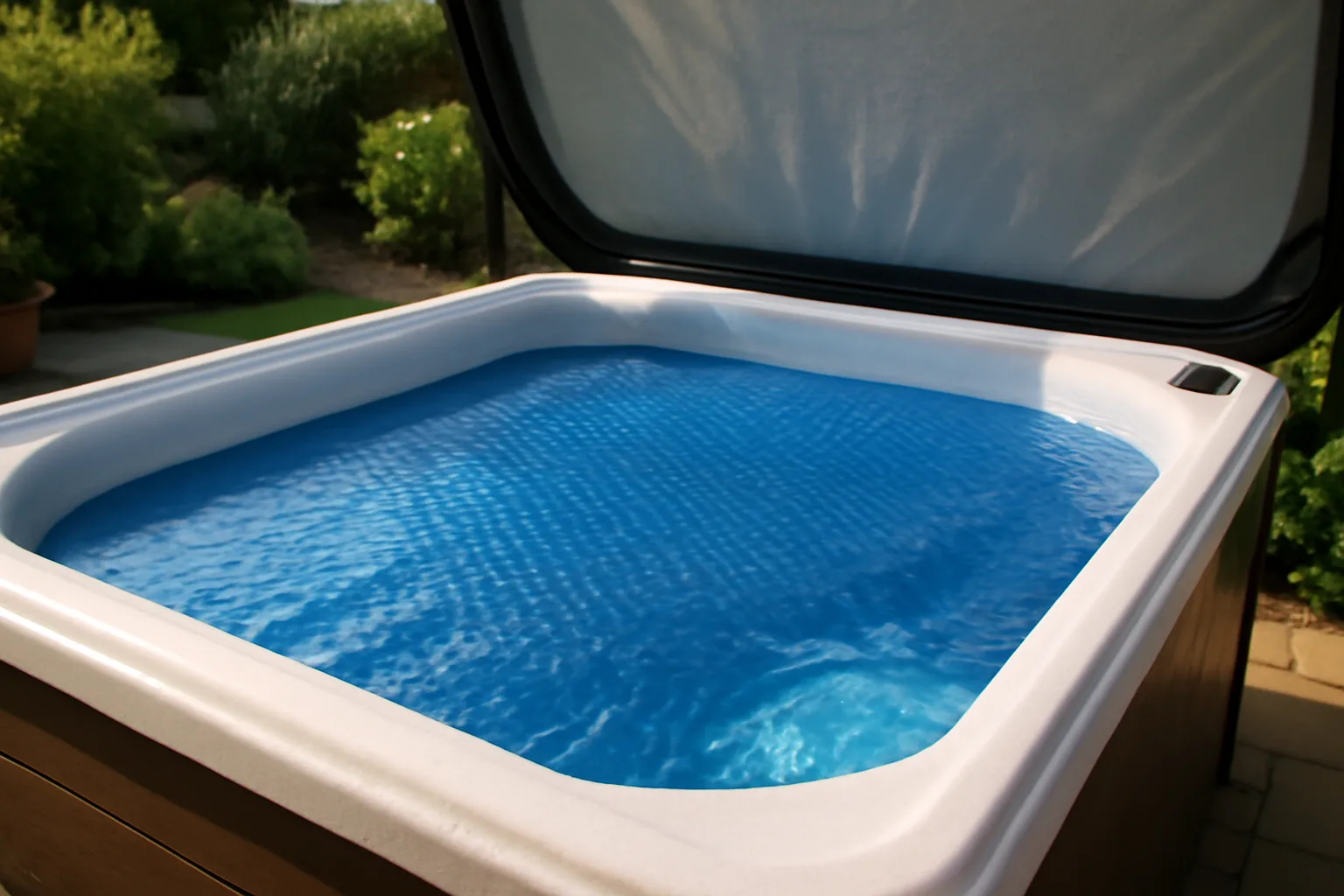
Use the Cover, Blanket and Shelter Properly
The cover is the cheapest speed upgrade because most heat loss happens from the surface. Heating with the cover half open is like boiling a pan without a lid, only much slower and more expensive.
Keep the main cover on until you get in
Leave the main lid on during heat-up. For inflatable tubs, use the inflatable bladder and top cover properly clipped down. For hard-shell tubs, make sure the cover sits flat and the hinge area is not letting steam pour out.
Lay-Z-Spa says its tubs heat to a maximum of 40°C and recommends using the lid/top cover and heating during warmer parts of the day to speed heat-up: Lay-Z-Spa heat-up advice.
If your cover is waterlogged, cracked or sagging, it will slow the process. Replacement inflatable lids and bladders are often around £25-£70. Hard-shell replacement covers are more like £250-£500, depending on size and foam thickness. That is a painful spend, but a dead cover costs you every week.
Add a floating thermal blanket
A floating thermal blanket sits directly on the water under the main cover. It reduces evaporation and keeps the lid drier, which helps both heat-up and heat retention.
UK prices are sensible:
- Basic bubble spa blanket: about £20-£45 from Amazon UK or pool suppliers.
- Foam floating thermal cover: about £60-£120 depending on shape and thickness.
- Cut-to-fit branded blanket: often around £69-£100 from hot tub parts retailers.
I would buy a foam blanket if you use the tub weekly through autumn and winter. Cheap bubble covers work, but they can degrade and leave bits in the water after months of chemical exposure. No one buys a hot tub to fish plastic flakes out before getting in.
Shelter the tub from wind
Wind strips heat from the cover and cabinet. A corner beside a wall, fence or garden room usually heats faster than the same tub in the middle of a patio.
You do not need a full gazebo. A basic privacy screen can be £50-£150, a pop-up shelter around £100-£250, and a proper hot tub gazebo or enclosure can run from £500 to well over £2,000. If you are already considering weather protection, the hot tub gazebo and enclosure guide covers the bigger shelter decision.
The practical test is simple: if the cover edge is flapping or steam is being blown sideways, the tub is losing heat faster than it should.
Fill and Start Heating at the Right Time
The fastest heat-up often starts before the heater is switched on. Fill temperature, timing and refill planning all matter.
Use warm water only if your manufacturer allows it
Some owners partially fill with warm water from the house to reduce the first heat-up time. This can help, but do not pour boiling water into an acrylic or inflatable tub. It can damage liners, seals and fittings.
If you use warm water, keep it moderate and mix as you fill. Check the manual for your model. A replacement inflatable liner can cost £150-£300, and a damaged hard-shell repair can cost far more than the electricity you were trying to save.
Start in the warmest part of the day
If you plan to use the tub in the evening, start heating late morning or lunchtime rather than waiting until the air temperature drops. This matters more with inflatable tubs because the cabinet and cover lose heat faster.
For weekend use, a timer can help. Many inflatable spas have a power-saving timer, while smart outdoor-rated plugs are not usually suitable for hot tub pumps because of load, weather and safety requirements. Do not run a hot tub through a cheap £12 smart plug unless the manufacturer and electrician say the load and installation are suitable.
Avoid unnecessary full drains
Every full drain means a full heat-up from cold. Keep water balanced so you are not draining early because it has gone cloudy, foamy or smelly.
If water quality is the reason you keep refilling, fix that first. The guides on weekly hot tub water care, hot tub chemicals for beginners and hot tub biofilm removal will save more heating time than any gadget.
Run the Heater Without Fighting the Tub
During heat-up, the aim is steady circulation, covered water and minimal disturbance. Jets feel like they should help, but air jets often cool the water.
Keep filtration and circulation running
The heater needs water moving through it. Do not keep stopping the pump to “save power” if that pauses heating. Let the tub run as designed until it reaches the target.
If the flow error appears, clean or replace the filters. A blocked filter can reduce circulation and slow heating, even if the heater itself is fine. Replacement filter cartridges are usually about £8-£20 each for inflatable tubs and £20-£50 for larger hard-shell cartridges.
Leave air jets off while heating
Air jets push cooler air through the water. They are fun when you are in the tub; they are not helpful when you are trying to heat from cold.
Hydro jets that recirculate water may have less cooling effect, but I still keep massage features off during the main heat-up unless the manual says otherwise. Run them briefly once the tub is hot if you need to mix the water before testing.
Set the target sensibly
Most people do not need 40°C. Many adults are comfortable around 37-38°C, and lowering the target by 1-2°C can cut a lot of heat-up time.
The Health and Safety Executive’s spa-pool guidance describes typical spa operating temperatures as 30-40°C and focuses heavily on safe management of warm-water risks: HSE spa-pool systems guidance. Domestic family use is not the same as commercial operation, but the safety point still matters: warmer is not automatically better.
For children, pregnancy, medical conditions or long sessions, use lower temperatures and take proper advice. Heating faster is not worth making the water too hot for the people using it.
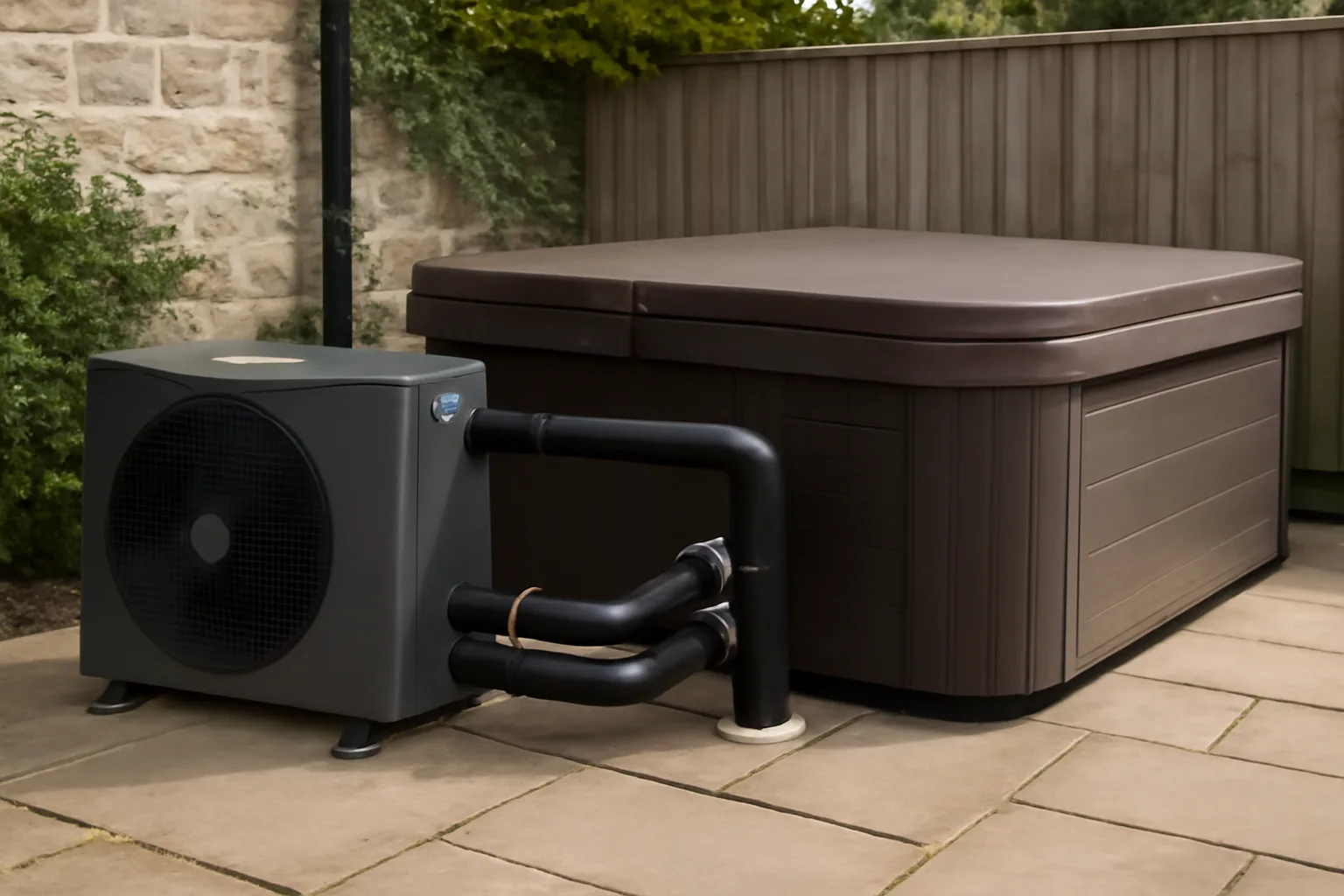
When Extra Kit Is Worth Buying
Extra kit is worth buying when it reduces heat loss or gives the heater a realistic boost. It is not worth buying if the tub is badly positioned, uncovered or poorly maintained.
Base insulation
A cold patio pulls heat from the bottom of inflatable tubs. Interlocking foam mats, insulated ground sheets or purpose-made hot tub bases can help.
Typical UK prices:
- Foam floor tiles: about £20-£50 for a small setup.
- Insulated inflatable spa floor protector: around £35-£80.
- Rigid base system: about £100-£250 depending on area and load rating.
Base insulation will not halve the heat-up time on its own, but it helps recovery and makes the whole system less wasteful. If your tub sits on cold paving, I would do this before buying fancy accessories.
Better cover lifter or cover care
A cover lifter does not heat the tub faster directly. It makes you more likely to put the cover back on properly, which matters after short dips.
Basic lifters start around £90-£150. Better assisted lifters are £180-£350. If your current routine involves dragging the lid halfway across the patio, a lifter may save heat because the cover actually gets used every time. The hot tub cover lifter guide explains the options.
Air source heat pumps
A hot tub air source heat pump can improve heat-up and running efficiency, especially for regular use. It is a bigger decision than a blanket, though.
Budget roughly:
- Small plug-and-play heat pump: about £500-£900.
- Mid-range hot tub heat pump: about £900-£1,500.
- Installed higher-output setup: about £1,500-£2,500+ depending on plumbing and electrics.
I would only consider one if you use the tub often, keep it through colder months, and already have a good cover, base and sheltered position. If you only use an inflatable tub for a few summer weekends, a £69 floating blanket and better timing make more sense.
Avoid Unsafe Shortcuts
Some shortcuts heat water faster but create electrical, chemical or damage risks. Skip them.
Do not use extension leads or indoor plugs
Hot tubs draw serious power and live outdoors around water. Use the manufacturer’s supplied connection method and a safe RCD-protected outdoor supply. If you are unsure, ask a qualified electrician.
A proper outdoor socket installation might cost around £120-£250 for a simple job, more if the cable run or consumer unit work is involved. That is cheaper than improvising with an extension reel in wet grass.
For larger hard-shell tubs, electrical installation can be several hundred pounds. The hot tub electrical requirements guide covers the broader UK setup.
Do not overheat the water
Trying to push past the manufacturer’s maximum temperature is a bad idea. Most domestic hot tubs cap at 40°C for a reason. Higher temperatures raise risk, stress components and make water care harder.
If the tub is not reaching its set temperature, investigate cover condition, filters, ambient temperature, flow errors and heater faults. Do not bypass safety features.
Do not ignore water chemistry during heat-up
Warm water with poor sanitiser control is not just unpleasant; it can be unsafe. Heating faster does not excuse skipping chlorine or bromine checks.
Test before use, especially after a refill or long heat-up. Basic test strips are about £8-£15, better liquid or photometer kits can be £30-£120. If you are heating for guests or family, clear water is not enough; the levels need to be right.
Quick Heat-Up Checklist
Use this sequence when you want the tub ready as quickly as possible without doing anything daft.
- Check the cover: Make sure the lid, inflatable bladder or hard cover sits properly with no big steam gaps.
- Add the floating blanket: Put it directly on the water during heat-up if you have one.
- Block wind: Use the sheltered side of the garden, close gazebo panels or move temporary screens if safe.
- Start earlier: Begin heating during the warmer part of the day instead of waiting for evening.
- Leave air jets off: Let the heater and circulation pump work without cooling the water.
- Clean the filters: Poor flow slows heating and may trigger errors.
- Choose a sensible target: Aim for 37-38°C unless you really need hotter water.
- Test water before use: Faster heat-up still needs safe sanitiser and pH levels.
If you do those and the tub is still much slower than usual, the issue is probably not technique. Look at heater performance, flow, sensor faults, cover condition or whether the tub is simply too exposed for the weather.
Frequently Asked Questions
How long does a hot tub take to heat up in the UK? Many inflatable tubs take 12-24 hours from cold in cool weather, while well-insulated hard-shell tubs can be quicker. Water volume, starting temperature, cover quality and wind exposure make a big difference.
Can I fill a hot tub with hot water to make it heat faster? Sometimes, but only if your manufacturer allows it and the water is not too hot. Boiling or very hot water can damage liners, seals and acrylic surfaces.
Should I leave the hot tub cover on while heating? Yes. Keep the main cover on and use a floating thermal blanket if you have one. Surface heat loss is one of the biggest reasons tubs heat slowly.
Do air jets make a hot tub heat faster? No. Air jets usually cool the water because they push cooler air through it. Leave them off during the main heat-up and use them once the tub is ready.
Is a hot tub heat pump worth it? It can be worth it for regular year-round use, especially with a well-insulated tub. For occasional summer use, a better cover, floating blanket and sheltered position are usually better value.
What is the fastest safe way to heat a hot tub? Cover it properly, use a thermal blanket, shelter it from wind, start heating early, keep filters clean, leave air jets off and choose a sensible target temperature such as 37-38°C.