A hot tub is only relaxing if the water is clean, the temperature is sensible and nobody treats it like a boiling paddling pool. This hot tub safety guide keeps the advice practical: what to check before you get in, how long to stay in, who should be cautious, and which hygiene jobs actually reduce risk.
In This Article
- Hot Tub Safety Guide: The Routine That Matters
- Water Hygiene Before Anyone Gets In
- Temperature, Time and Overheating
- Who Should Be Extra Careful
- Children, Guests and House Rules
- Safe Entry, Covers and Electrics
- Handling Chemicals Without Making a Mess
- Frequently Asked Questions
Hot Tub Safety Guide: The Routine That Matters
The safest hot tub owners are not the ones with the most gadgets. They are the ones who follow the same boring checks every time: test the water, check the temperature, rinse before bathing, keep sessions short, and sort problems before they become green, foamy or smelly.
For a normal UK garden hot tub, your basic routine should look like this:
- Before use: check sanitiser, pH and temperature, then remove leaves or debris.
- During use: keep drinks sensible, avoid glass, watch children and limit soak time.
- After use: replace the cover, run filtration if needed and test again after heavy bathing.
- Weekly: clean filters, shock the water if your system needs it and wipe the waterline.
- Every few months: drain, clean and refill, sooner if the water will not recover.
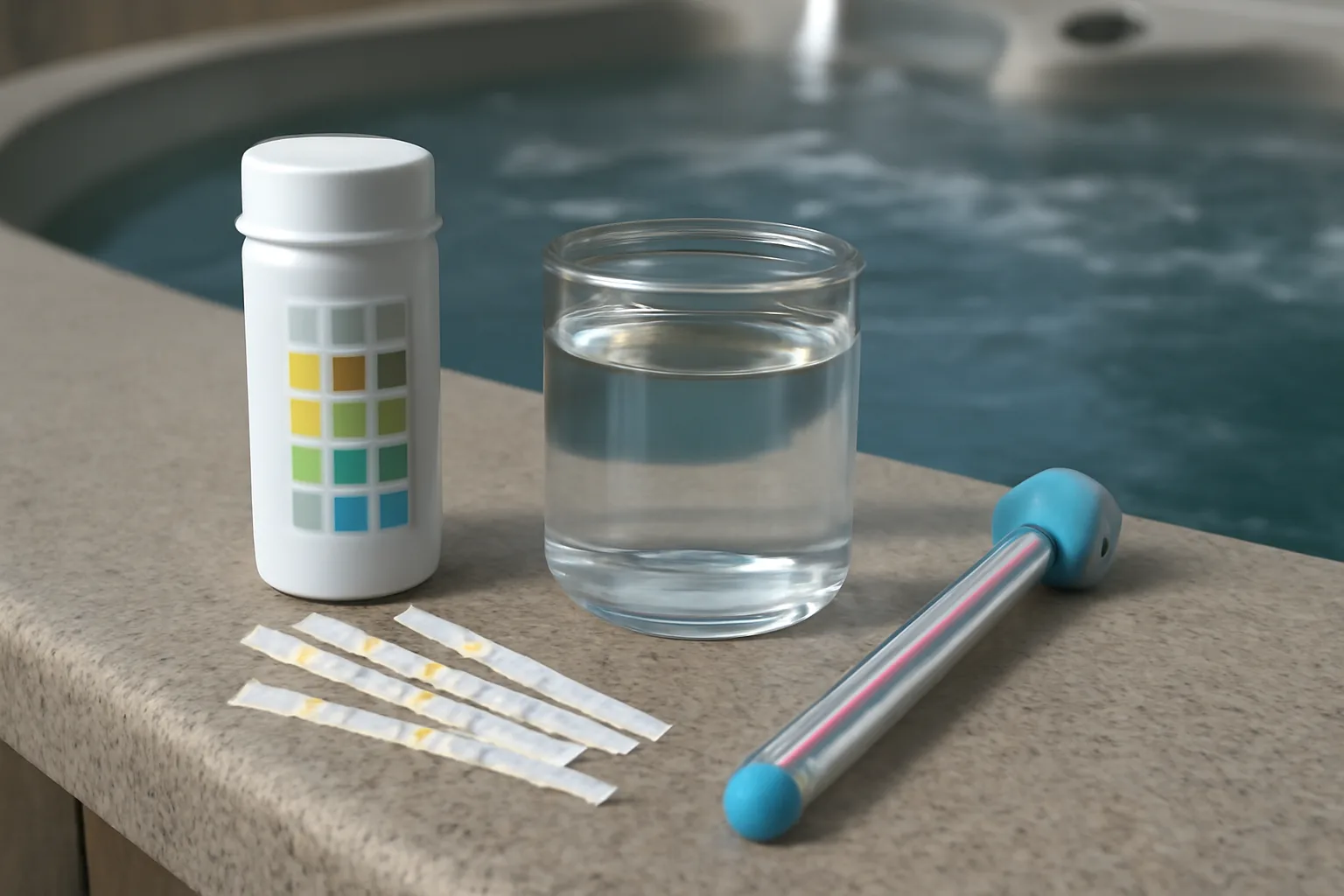
That routine sounds fussy until you have tried rescuing cloudy water on a Sunday evening with guests arriving. A pack of 50 test strips costs about £8-£15 from Amazon UK, B&Q, Argos or hot tub retailers. That is cheaper than guessing your way through chemicals and wasting a refill.
What safety means in a home tub
There are three separate risks to manage. Hygiene is the obvious one: warm water can let bacteria build up if sanitiser drops or biofilm takes hold. Heat is the second: 38-40°C feels lovely, but long soaks can leave people light-headed. Physical safety is the third: steps, covers, electrics, slippery decking and unsupervised children matter as much as chlorine readings.
The HSE spa-pool guidance is written mainly for commercial and managed spa pools, but the principle still applies at home: warm aerated water needs proper risk control. A domestic owner does not need a hotel-style logbook, but you do need a routine you actually follow.
The one-minute pre-soak check
Before anyone gets in, ask four quick questions:
- Is the water clear? Cloudy, slimy or odd-smelling water is a stop sign.
- Is sanitiser in range? Do not use the tub if chlorine or bromine has dropped too low.
- Is pH in range? Low pH irritates skin and eyes; high pH makes sanitiser less reliable.
- Is the temperature sensible? For adults, many tubs run around 37-39°C; 40°C should be treated as the upper end, not the default.
If any answer is off, fix the water first. Nobody wants to be the person who says “it’ll probably be fine” and then spends Monday dealing with itchy skin, foam and a drain-down.
Water Hygiene Before Anyone Gets In
Hot tub hygiene is not about pouring in more chemicals whenever the water looks tired. It is about keeping the water balanced so the sanitiser can do its job. A tub with the wrong pH can have sanitiser present and still behave badly.
The three readings to know are sanitiser, pH and total alkalinity. Calcium hardness matters too, especially in hard-water areas, but the first three are the daily/weekly basics.
Sanitiser
Most UK hot tubs use chlorine or bromine. Chlorine granules are common, cheap and quick, usually around £10-£20 for a 1kg tub. Bromine tablets cost more, often £15-£30, but some owners prefer them because they smell less sharp and cope well in hot water.
If you are new, start with the system your manufacturer recommends. Then read our hot tub chemicals for beginners guide before changing everything at once. Mixing systems because someone on Facebook said bromine was better is how you end up with a cupboard full of half-used tubs.
pH and alkalinity
pH affects comfort and sanitiser performance. Too low, and the water can feel harsh, corrode parts and sting eyes. Too high, and sanitiser becomes less punchy while scale becomes more likely.
Most owners should keep pH roughly around the normal spa range recommended by their chemical system, then use alkalinity as the buffer that stops pH bouncing around. pH increaser and reducer usually cost about £8-£15 per bottle or tub. The guides on raising pH in a hot tub and lowering pH in a hot tub cover the adjustment process step by step.
Filters and biofilm
Filters catch the physical muck: hair, oils, tiny debris and whatever the kids had on their feet. Rinse them weekly with a hose, then use a filter cleaner every few weeks. Replacement filters are usually £10-£30 each depending on brand and size.
Biofilm is the hidden nuisance. It builds inside pipework and gives bacteria somewhere to shelter. If the tub smells strange, foam keeps returning, or sanitiser vanishes quickly, read the biofilm guide rather than throwing more shock at the problem.
Temperature, Time and Overheating
Heat is part of the appeal, but it is also the part people underestimate. A hot tub can make you sweat without noticing because you are sitting in water. Add alcohol, a warm evening and 40°C water, and light-headedness can arrive quickly.
For most healthy adults, 37-39°C is the sensible comfort range. Many tubs allow 40°C, but I would treat that as a short-session setting. If you want a longer soak, turn the temperature down. The difference between 38°C and 40°C feels small at first and much bigger after 20 minutes.
The GOV.UK hot weather advice warns that alcohol can dehydrate you and recommends choosing alcohol-free options or alternating with water in hot conditions. That advice was not written for hot tubs specifically, but it maps neatly onto spa use: hot water plus alcohol is a poor mix.
How long should you stay in?
For adults, 15-20 minutes is a sensible normal session, especially above 38°C. Some people can stay longer at lower temperatures, but the rule is simple: get out before you feel dizzy, flushed, sleepy or unsteady.
Shorter sessions are smarter for guests because you do not know how they react to heat. If someone has not used a hot tub before, start at 10-15 minutes and offer water. It sounds overcautious until someone stands up too quickly and has to sit on the steps with their head between their knees.
Watch the weather
UK owners often use hot tubs in two risky scenarios: cold nights and summer evenings. In winter, the hot water feels brilliant but the air is cold, so people stay in too long and then rush across slippery decking. In summer, the water may already be warm before heating, and alcohol tends to appear.
Use the cover and heating schedule properly. Our hot tub heating guide explains efficient heating, but from a safety point of view, the main point is control: know the actual water temperature before anyone gets in.
Who Should Be Extra Careful
Some people should be more cautious with hot tubs because heat, circulation changes and infection risk affect them differently. This is not a substitute for medical advice. If someone is pregnant, unwell, immunocompromised or managing a heart or blood-pressure condition, the sensible answer is to check with a clinician before using a hot tub.
Pregnancy
Pregnant users should be cautious with hot tubs because overheating is the concern, especially early in pregnancy. I would not offer a “quick dip will be fine” reassurance. Keep the advice conservative: avoid high temperatures, avoid long soaks, and ask a midwife or doctor if unsure.
If you have guests, do not put the decision on them in front of everyone. Say plainly that the tub is hot and there is no pressure to get in. A warm seat and a drink outside the tub is often the better option.
Heart, blood pressure and medication
Hot water affects circulation. People with heart conditions, blood-pressure issues, fainting history, diabetes complications or medication that affects alertness should be careful. The practical advice is boring but important: shorter sessions, lower temperature, no alcohol, and get out slowly.
If someone feels dizzy, sick, confused, very hot or unusually tired, they should get out, cool down and drink water. Do not let them “push through” because everyone else is staying in.
Skin infections, stomach bugs and open wounds
Do not use a hot tub with open wounds, infected skin, diarrhoea, vomiting, or anything contagious. That should be obvious, but shared water seems to make people take risks they would not take anywhere else.
If a guest has fake tan, heavy body lotion or lots of hair product on, ask them to shower first. It is not rude; it protects the water. Lotions and oils chew through sanitiser and leave a greasy waterline that takes more cleaning later.
Children, Guests and House Rules
Children make hot tub safety more important, not more relaxed. They overheat faster, splash water out, sit on filters, fiddle with jets and treat covers like trampolines if nobody stops them. Set rules before anyone gets changed.
Rules for children
Keep children supervised within arm’s reach. Do not let them use the tub alone, and do not rely on older siblings to supervise younger ones. Lower the temperature for family use; many owners use around 35-37°C for shorter child-friendly sessions, then reheat for adult use later.
No underwater games, no jumping from the side, no sitting on the filter housing, and no heads under water. Hot tubs are not swimming pools. The water is warmer, shallower and more chemically managed, and suction fittings are not toys.
Rules for guests
Guests need clearer instructions than family because they do not know your tub. Tell them:
- Shower first. Sun cream, moisturiser and deodorant all affect the water.
- No glass near the tub. Use plastic or stainless tumblers; broken glass in water means draining.
- Keep sessions short. Suggest a break after 15-20 minutes.
- Lift the cover properly. A cover lifter costs about £80-£180 and stops people dragging foam across decking.
- Tell you if the water feels too hot. Nobody wins a medal for overheating in a garden tub.
If you host often, a simple laminated rules card near the back door is not over the top. It saves you saying the same thing while holding towels and trying not to sound like a leisure-centre attendant.
Safe Entry, Covers and Electrics
The least glamorous hot tub safety jobs are the ones that prevent falls, trapped fingers and electrical stupidity. They rarely appear in brochure photos, but they matter every week.
Steps and surfaces
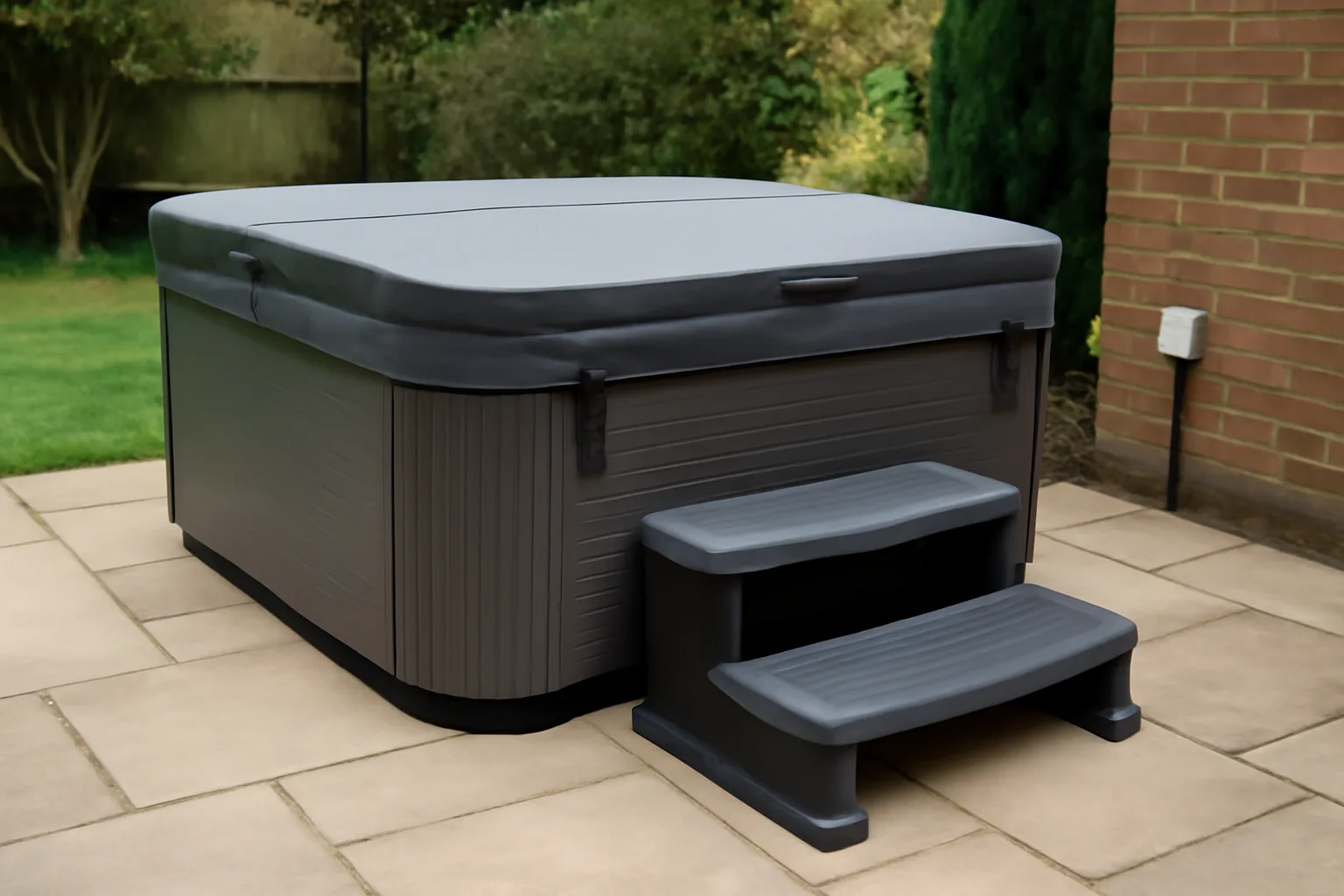
Proper hot tub steps cost around £40-£120. Buy them. Climbing over the side from wet decking is asking for a bruised shin at best. Steps should be stable, non-slip and wide enough for someone carrying a towel or helping a child.
Decking, porcelain paving and smooth slabs can all get slippery. Use outdoor anti-slip mats where people step out, keep the route to the house lit, and clear algae before winter. A £15-£30 outdoor mat is less exciting than LED lights but much more useful.
Covers
A hot tub cover keeps heat in, debris out and children away from the water when the tub is not supervised. Locking straps should actually be used, not left dangling because they are annoying.
If your cover is waterlogged, sagging or split, replace it. Insulated replacement covers are often £250-£500 depending on size and shape, which stings, but a failed cover costs money in heat loss and weakens basic safety. Our hot tub cover guide covers that buying decision in more detail.
Electrics
Do not run extension leads to a hot tub. Plug-and-play inflatable models still need a suitable outdoor socket and RCD protection. Hard-shell tubs usually need professional installation, often a dedicated supply, and a qualified electrician.
If you are not sure what your tub needs, stop and read the UK hot tub electrical requirements guide before filling it. Electrical shortcuts around water are not a budget hack.
Handling Chemicals Without Making a Mess
Hot tub chemicals are useful when handled properly and horrible when treated casually. Keep them dry, sealed, labelled and away from children. Do not decant chemicals into food containers. Do not mix chemicals together in a bucket unless the product instructions explicitly tell you to.
Buy the right basics
A sensible starter shelf looks like this:
- Test strips: £8-£15 for 50 strips.
- Chlorine granules or bromine tablets: £10-£30 depending on system and size.
- pH increaser and pH reducer: about £8-£15 each.
- Non-chlorine shock or chlorine shock: usually £10-£20.
- Filter cleaner: about £6-£12.
- Floating dispenser if using tablets: £5-£12.
That is enough for most owners. A full branded starter kit from Lay-Z-Spa, Clearwater, AquaSparkle or a hot tub dealer is commonly £25-£60. Convenient, yes. Magic, no.
Dose in the right order
Test first, adjust alkalinity if needed, then pH, then sanitiser. Give the water time to circulate between adjustments. Adding three chemicals in a panic makes it harder to know what changed.
For regular routine, follow the weekly and monthly water care schedule. If water has gone wrong after a party or heavy use, the hot tub shock guide is more useful than random extra chlorine.
Store chemicals properly
Keep chemicals in their original tubs, lids tight, in a cool dry place. A garden shed is fine if it stays dry and does not bake in summer. Do not store acids and chlorine products loose together in a crate where spills can mix.
Wear gloves if the product label says to. Wash hands afterwards. If chemical dust gets in your eyes or on skin, follow the label instructions and seek medical help if needed. Again, boring. Also the difference between normal ownership and an avoidable problem.
The safety kit worth buying
You can spend silly money on hot tub accessories, but safety kit is fairly cheap. The essentials are test strips, a thermometer, non-slip access, a working cover, and enough basic chemicals to fix water before it turns.
My practical kit list
For a typical home tub, I would keep:
- Digital or floating thermometer: £5-£15, useful because control panels are not always perfectly accurate.
- 50-pack test strips: £8-£15, replaced before they expire or get damp.
- Spare filter cartridge: £10-£30, so cleaning one does not leave you stuck.
- Non-slip steps: £40-£120, especially for children or older relatives.
- Plastic or stainless drinkware: £10-£25 for a set, because broken glass near a tub usually means draining it.
- Absorbent outdoor mat: £15-£30 for the exit route.
If you own an inflatable tub, budget about £120-£250 a year for chemicals, filters and small accessories. Hard-shell tubs can be similar for routine water care, but servicing, replacement covers and parts cost more. A professional hot tub service is often around £120-£200 before parts, depending on location and what is included.
What I would not buy first
I would skip aromatherapy crystals, floating games, cup-holder trays and novelty lights until the basics are sorted. Fragrances can irritate skin or interfere with water balance if they are not spa-safe. Trays encourage people to keep drinks in the tub for too long. Floating speakers are fun until someone drops one.
Spend first on clean water, stable access and a cover that works. The rest can wait.
Frequently Asked Questions
What temperature is safe for a hot tub? Many adults use hot tubs around 37-39°C. Treat 40°C as the upper end for short sessions, not a default, and lower the temperature for children or longer soaks.
How long should you stay in a hot tub? A sensible session is usually 15-20 minutes for adults, especially at higher temperatures. Get out sooner if you feel dizzy, flushed, sleepy or unsteady.
Can children use a hot tub? Children need close adult supervision, lower temperatures and short sessions. They should not use a hot tub alone, put their heads under water or play around suction fittings.
Should you shower before using a hot tub? Yes. Showering removes sweat, lotions, deodorant, fake tan and sun cream, which helps sanitiser last longer and keeps the water clearer.
How often should hot tub water be tested? Test before use and after heavy bathing. For regularly used tubs, daily checks are sensible; for occasional use, test before anyone gets in and again after treatment.
Is cloudy hot tub water safe? No. Cloudy water means something is wrong with filtration, sanitiser, pH, biofilm or bather load. Do not use the tub until the cause is fixed and the water tests correctly.