Hot tub health benefits are real enough to take seriously, but not strong enough to sell as medicine. A soak can help some people relax, feel looser, sleep better and manage everyday aches, but it does not replace exercise, treatment, sleep hygiene or proper medical advice.
In This Article
- The Short Answer On Hot Tub Health Benefits
- What Warm Water Does To Your Body
- Relaxation, Stress And Sleep: The Strongest Everyday Case
- Muscles, Joints And Recovery: Useful, But Not Magic
- Heart, Blood Pressure And Circulation: Be Careful With The Headlines
- Safety Limits: Who Should Be Cautious
- Costs, Alternatives And When A Hot Tub Makes Sense
- Frequently Asked Questions
The Short Answer On Hot Tub Health Benefits
The honest answer is that hot tubs are best viewed as a wellbeing tool, not a health intervention. Warm water, buoyancy and quiet time can make your body feel better. That matters. It just needs framing properly.
The most believable hot tub health benefits are:
- Relaxation: warm water and a quiet setting can help you downshift after work.
- Muscle comfort: heat can make tight muscles feel looser for a while.
- Joint relief: buoyancy reduces load while you are in the water.
- Sleep routine support: a warm soak before bed may help some people settle, especially if it replaces scrolling and late caffeine.
- Circulation effects: heat widens blood vessels temporarily, which can lower blood pressure while also increasing cardiovascular demand.
The weaker claims are the ones you often see in sales copy: detox, fat loss, immune boosting, arthritis treatment, depression treatment, or “equivalent to exercise”. I would ignore those unless a clinician has given you specific advice.
For context, a decent inflatable hot tub might cost £400-£900, a mid-range acrylic 4-6 person model often sits around £4,000-£8,000, and premium hard-shell tubs can go past £10,000 before delivery, base work and electrics. If the health argument is the only reason you are buying, that is a lot of money for benefits you might also get from baths, swimming, stretching, walking and better sleep habits.
If you already want a hot tub for family use and relaxation, the health side is a useful bonus. If you are trying to solve a medical problem, start with the NHS or your GP, not a hot tub brochure.
What Warm Water Does To Your Body
Hot tubs feel good because they change several things at once: temperature, pressure, buoyancy and sensory load. None of that is mystical. It is basic physiology plus a bit of peace and quiet.
Heat Raises Skin Temperature
Most hot tubs are used around 36-40°C. That heat warms the skin and surface tissues, and your body responds by moving blood towards the skin to lose heat. That is why you may look flushed and feel loose after 10-20 minutes.
This is also why longer is not always better. A 15-minute soak can feel brilliant. A 40-minute soak at 40°C can leave you light-headed, thirsty and wiped out.
Buoyancy Reduces Load
Water supports part of your body weight. That can make knees, hips and lower backs feel less compressed while you are sitting in the tub. Anyone who has stood up from a sofa with a stiff back knows the appeal.
The effect is temporary, though. The hot tub has not strengthened anything. It has given your body a low-load, warm environment for a short period.
Jets Add Massage, But Not Treatment
Jets can help with comfort if they are aimed sensibly. A broad jet on the upper back after gardening feels lovely. A hard jet blasting the same sore spot for 20 minutes can irritate it.
If you are choosing a tub partly for comfort, read our guide to how to choose a hot tub before paying extra for a huge jet count. Jet quality, seat position and pump control matter more than a big number on a showroom card.
Relaxation, Stress And Sleep: The Strongest Everyday Case
The best argument for hot tub health benefits is not a dramatic medical one. It is routine. You step away from screens, sit somewhere warm, breathe more slowly, and give your body a clear end-of-day signal.
Stress Relief Is Plausible
Warm water can calm you because it combines sensory comfort with a forced pause. You are not loading the dishwasher, answering emails or half-watching television. You are sitting still.
That sounds obvious, but obvious can still be valuable. If a 20-minute soak twice a week stops you doom-scrolling in bed, that may be a decent wellbeing upgrade.
Sleep Benefits Depend On Timing
A warm bath or hot tub before bed may help some people because body temperature changes are part of the sleep process. The trick is not to climb straight from very hot water into bed while still overheated. Most people do better with a soak 60-90 minutes before sleep, then a cooler bedroom.
Practical routine:
- Keep it short: 10-20 minutes is enough for most people.
- Avoid alcohol: it makes heat-related dizziness and dehydration more likely.
- Cool down after: robe on, water nearby, no rushing straight under a duvet.
- Repeat gently: one good routine beats occasional marathon soaks.
If your main goal is sleep, a hot tub is not the cheapest answer. A good blackout blind might be £25-£80, a white noise machine £20-£60, and a basic bath costs whatever your hot water costs. The hot tub version is nicer, but it is not automatically better.
Muscles, Joints And Recovery: Useful, But Not Magic
Heat can make stiff muscles feel more comfortable, and warm water can make movement feel easier. That is the useful bit. The overclaim is pretending a hot tub repairs injuries by itself.
Everyday Aches
For normal aches after gardening, DIY, tennis, gym work or a long drive, a hot tub can be a pleasant recovery ritual. I find the benefit is mostly that it helps you relax muscles you have been holding tense all day. That is not the same as fixing the cause, but it can still make the evening better.
If you use the tub after exercise, avoid going in when you are already dizzy, dehydrated or overheated. Drink water first and keep the session sensible.
Joint Comfort
People with stiff joints often like warm water because it reduces load and helps movement feel less sharp. Gentle range-of-motion work in warm water can be easier than doing it cold on a mat.
Do not use that as permission to ignore pain. Sharp pain, swelling, new weakness or symptoms after an injury need proper advice. A hot tub can mask discomfort for a while, which is not always helpful if you then overdo it.
Sports Recovery
For sports recovery, hot tubs suit relaxation and stiffness more than acute inflammation. If you have a fresh sprain or a visibly swollen joint, heat may not be the right first move. That is where many people compare hot tubs with ice baths, but that comparison already has its own article on hot tub vs cold plunge benefits.
For most homeowners, the practical answer is simple: use the hot tub when you want to unwind, not as a substitute physio plan.
Heart, Blood Pressure And Circulation: Be Careful With The Headlines
This is where hot tub claims get messy. Heat can widen blood vessels, raise heart rate and temporarily lower blood pressure. Those effects are real. They are also why some people should be cautious.
The British Heart Foundation explains that heat makes the body work harder to keep core temperature normal, with blood vessels opening wider, heart rate rising and blood pressure potentially dropping. That page is about hot weather, not hot tubs specifically, but the basic heat-stress point is relevant.
The Possible Upside
Some research into passive heating and hot-water immersion suggests possible cardiovascular effects, especially around blood vessel function and blood pressure. That does not mean “buy a hot tub instead of exercising”. It means heat exposure is an area researchers are interested in.
The reader-friendly conclusion is this: a sensible warm soak may be part of a healthy lifestyle for some people, but it is not a standalone cardiovascular plan.
The Risk Side
If heat makes your blood pressure drop, you can feel dizzy getting out. That is more likely if you have been in too long, the tub is very hot, you have drunk alcohol, or you stand up quickly.
Signs to take seriously:
- Dizziness: sit down, cool off and drink water.
- Chest discomfort: get out and seek medical advice.
- Palpitations: do not “push through” a hot soak.
- Nausea or confusion: treat it as overheating risk, not relaxation.
For anyone with heart disease, fainting episodes, unstable blood pressure or medication that affects heat tolerance, the right answer is boring but important: ask a clinician first.
Safety Limits: Who Should Be Cautious
A health-benefits article is useless if it ignores safety. Hot tubs combine heat, water, chemicals, electricity and slippery surfaces. None of that is scary if managed properly, but it deserves respect.
The CDC hot tub safety guidance advises that water temperature should not be higher than 40°C, pregnant people should talk to a healthcare provider before using a hot tub, children under 5 should not use hot tubs, and people should avoid alcohol before or during use.
People Who Should Check First
Speak to a healthcare professional before using a hot tub if you:
- Are pregnant: overheating risk matters, especially early in pregnancy.
- Have a heart condition: heat can change heart rate and blood pressure.
- Have fainting or seizure history: do not use a hot tub alone.
- Take medication affecting blood pressure: check whether heat exposure is a concern.
- Feel unwell: fever, sickness and diarrhoea are all good reasons to stay out.
Temperature And Time
For normal adult home use, I would treat 37-38°C as the comfortable default and 40°C as the top end, not the target. Many owners start too hot, then wonder why they feel wiped out.
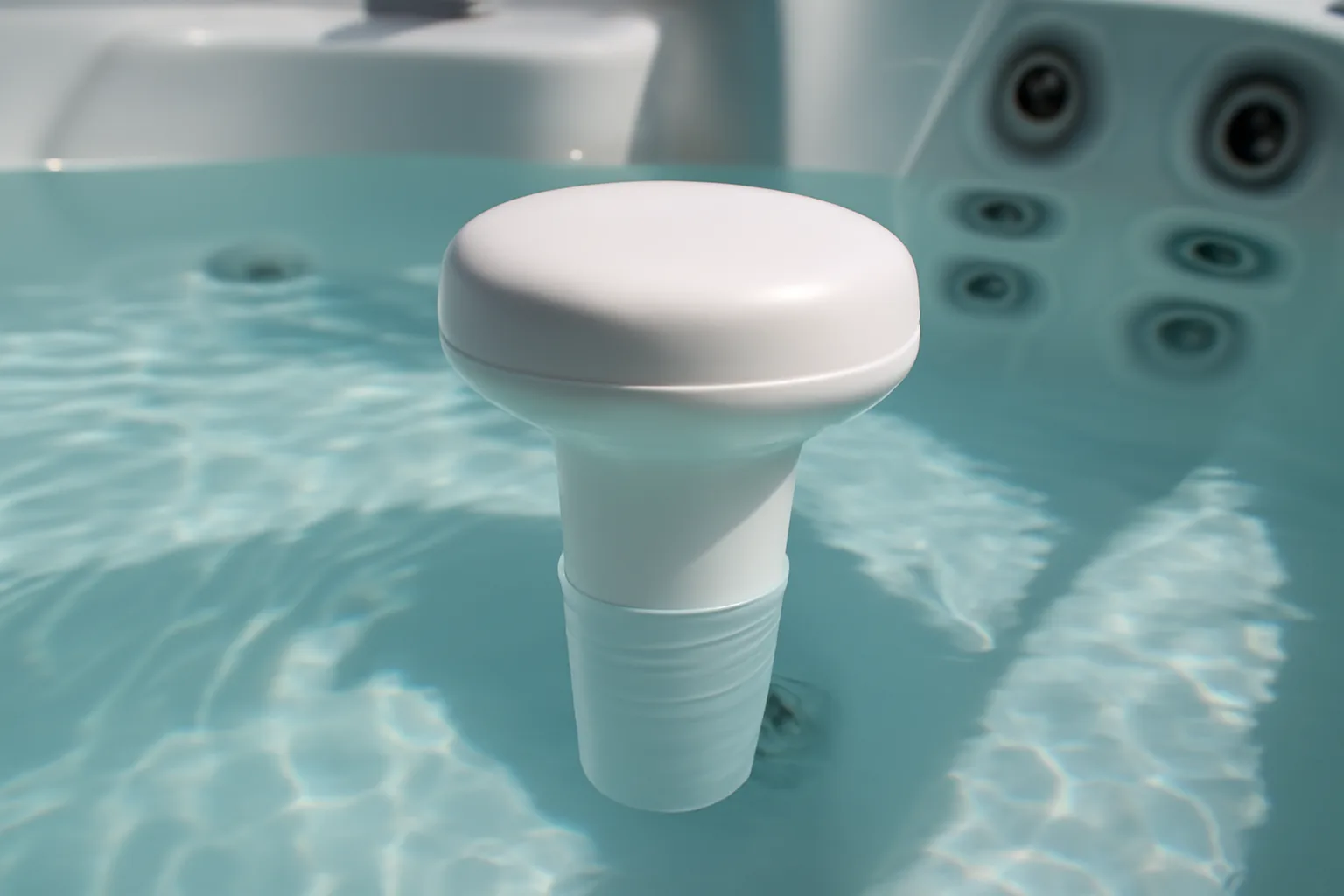
Keep a simple floating thermometer or digital temperature check handy. Basic floating thermometers are about £5-£15 from Amazon UK, hot tub retailers and garden centres. Test strips for sanitiser and pH are usually £8-£15 a pot, and they matter just as much as temperature if you want the tub to be safe and pleasant.
Water Hygiene Still Counts
Relaxation benefits disappear quickly if the water is poorly managed. Cloudy water, odd smells, slimy surfaces or stinging eyes are not wellness signals.
If you are new to this, use our hot tub chemicals for beginners guide and the weekly hot tub water care schedule before worrying about advanced health claims.
Costs, Alternatives And When A Hot Tub Makes Sense
The health case is only one part of the decision. A hot tub also has purchase cost, installation work, electricity, chemicals, filters and cleaning time.
Ownership Costs
Typical UK costs:
- Inflatable hot tub: about £400-£900 upfront, with lower insulation and higher faff in winter.
- Hard-shell hot tub: about £4,000-£10,000+ depending on brand, size, insulation and jet package.
- Electrical installation: often £300-£1,000+ for a dedicated supply, depending on distance and consumer unit work.
- Base preparation: simple paving or reinforced slab work can range from a few hundred pounds to well over £1,500.
- Chemicals and filters: budget roughly £15-£40 a month for typical domestic use.
- Running electricity: often roughly £30-£100+ a month depending on tub insulation, weather, tariff and usage.
Those ranges are wide because UK setups vary wildly. A well-insulated hard-shell tub under a good cover is a different ownership experience from an inflatable tub running through a frosty January. For the cost side, read hot tub electricity usage before you buy.
Cheaper Alternatives
If the goal is relaxation, you have cheaper options:
- Warm bath: low upfront cost if you already have a bath.
- Gym or spa day: often £35-£90 per person depending on location and facilities.
- Local hydrotherapy pool: useful for some people, but availability and eligibility vary.
- Massage: commonly £45-£80 for an hour in many UK towns.
- Swimming: usually £5-£9 per adult session at council or leisure-centre pools.
None of these gives you a private garden hot tub. That is the point. You buy a hot tub because you want the convenience and experience at home, not because it is the cheapest health tool.
When It Makes Sense
A hot tub makes sense if you will use it regularly, enjoy the ritual, have the space and can afford the running costs without resenting them. The health benefits are then a nice part of the value.
It makes less sense if you are hoping it will fix sleep, pain or stress on its own. If those problems are serious, the hot tub can sit alongside proper support. It should not become the plan.
My practical test is simple: would you still want the hot tub if the only guaranteed benefit was 20 minutes of warm, quiet relaxation three times a week? If yes, the softer health benefits are a bonus. If no, the purchase is probably carrying too much expectation.
That distinction saves disappointment. A £6,000 hot tub that turns into a weekly family ritual can be money well spent. A £6,000 hot tub bought because a sales page implied it would solve back pain, sleep and stress is a much shakier decision. The science supports modest, sensible claims. The ownership decision still has to work in normal UK life: weather, bills, cleaning, cover lifting and whether you can be bothered on a wet Tuesday.
Frequently Asked Questions
Are hot tub health benefits backed by science? Some are plausible and supported by research into heat, relaxation and circulation, but many sales claims are overstated. Treat hot tubs as wellbeing support, not medicine.
Can a hot tub help with sleep? It may help some people unwind before bed, especially if used 60-90 minutes before sleep. It works best as part of a calm evening routine, not as a cure for insomnia.
Are hot tubs good for sore muscles? They can make sore or tight muscles feel better temporarily because heat and buoyancy reduce tension and load. They do not repair injuries or replace physiotherapy.
Can hot tubs lower blood pressure? Heat can temporarily widen blood vessels and lower blood pressure, but that can also cause dizziness. People with heart or blood-pressure conditions should check with a clinician.
How long should you stay in a hot tub for health benefits? For most adults, 10-20 minutes is enough. Longer sessions, especially near 40°C, increase dehydration, overheating and light-headedness risk.
Who should avoid hot tubs? Pregnant people, young children, anyone with certain heart conditions, fainting risk, seizure history, fever or diarrhoea should avoid or seek medical advice first.