Most hot tubs use between 4 and 12 kWh of electricity per day once they are hot, but the useful answer is not the headline wattage on the spec sheet. It is how hard the heater has to work in your garden, with your cover, your water temperature and your tariff. For a UK owner paying 26.11p per kWh on the July to September 2026 average Ofgem direct debit cap, that puts many daily running costs somewhere between about £1.05 and £3.13 before standing charges.
In This Article
- Quick Answer: Hot Tub Electricity Usage in kWh
- How to Work Out Your Own kWh Use
- What Changes the Number on the Meter
- Realistic UK Running Costs in 2026
- Plug-and-Play vs 32a Hot Tubs
- How to Cut kWh Without Spoiling the Soak
- When High Electricity Use Signals a Problem
- Frequently Asked Questions
Quick Answer: Hot Tub Electricity Usage in kWh
Hot tub electricity usage kWh figures vary because a hot tub is not pulling its full heater load all day. A 3 kW heater does not mean 72 kWh every 24 hours. It means the heater can draw roughly 3 kWh if it runs flat out for one hour.
In normal UK use, a sensible working range looks like this:
- Small inflatable hot tub: about 5-10 kWh per day in mild weather, often more in winter because the insulation is thin.
- Good 4-person hard-shell tub: about 4-8 kWh per day once up to temperature, assuming a decent cover and no long lid-off sessions.
- Larger 6-person hard-shell tub: about 6-12 kWh per day, with winter and frequent family use pushing it towards the top end.
- Poorly insulated or uncovered tub: 12 kWh+ per day is not hard to reach, especially if it keeps reheating after every use.
The first heat-up is different. Heating 1,000 litres of cold tap water from 10°C to 38°C needs roughly 32.5 kWh just to warm the water, before heat loss. With real-world losses, a first fill can easily land around 35-45 kWh. That is why a new owner can panic on day one, then see the daily figure settle down.
The better question is: what does the tub use after it is hot? That is the number you pay for week after week.
My rule of thumb is simple: if a hard-shell hot tub with a sound cover is using under 8 kWh per day in average weather, I would not worry. If it is using 12-15 kWh every day in mild weather, something is wasting heat.
This also explains why the cheapest tub is not always the cheapest to own. A £400 inflatable from Argos or Amazon UK can cost more to run through winter than a £4,000 hard-shell model with thicker cabinet insulation. The purchase price is only half the story, which is why it is worth reading this alongside our broader UK hot tub cost guide and hot tub energy ratings explained.
How to Work Out Your Own kWh Use
You do not need a perfect lab test. You need a repeatable reading that strips out the guesswork.
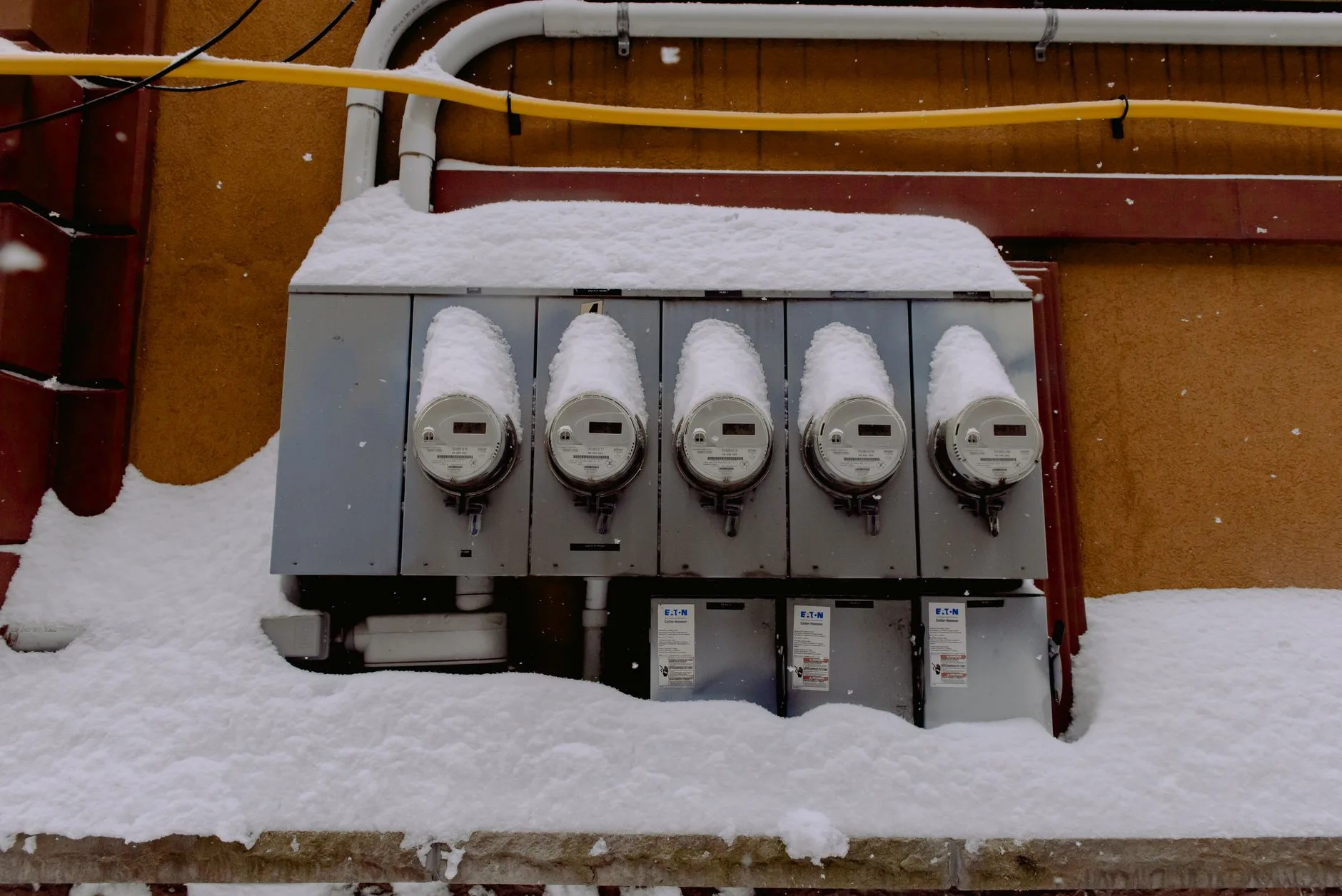
For a plug-and-play hot tub, the neatest method is a weatherproof outdoor energy monitor or smart plug rated for the load. Do not use a cheap indoor smart plug outside; a proper outdoor unit usually costs about £12-£25 from Amazon UK, Screwfix or B&Q, and it must be suitable for the current your tub draws. If your hot tub is hard-wired, ask an electrician about an energy monitor or circuit-level clamp meter; domestic monitor kits tend to cost about £40-£100, before any electrician time.
The basic calculation is:
- Start with the tub already hot. Do not include the first heat-up unless that is what you are measuring.
- Read the kWh figure at the same time each day. A 7-day average is much better than one random day.
- Multiply kWh by your electricity unit rate. At 26.11p/kWh, 6 kWh costs about £1.57.
- Separate normal use from party use. A long lid-off evening with jets on is not the same as a covered weekday.
If your whole-home smart meter is the only tool you have, still use it. Take a reading before bed, avoid using the tumble dryer or oven overnight, then compare the morning reading. It will not be perfect, but it gives a useful ballpark. I trust a week of boring meter readings more than any brochure claim about “pennies a day”.
The formula is:
Daily kWh x electricity unit price = daily running cost.
So, if your tub uses 7.5 kWh in 24 hours:
7.5 x £0.2611 = £1.96 per day.
Over 30 days, that is about £58.75. If the same tub jumps to 12 kWh per day in January, the monthly figure becomes about £94.00. Same hot tub, different conditions.
Be careful with the standing charge. Ofgem’s current price-cap page lists average electricity standing charges as well as unit rates, but you already pay the standing charge for having electricity at home. For hot tub comparisons, use the unit rate unless the tub is part of a holiday let or a separate metered supply. Ofgem states the average direct debit electricity unit rate for 1 July to 30 September 2026 is 26.11p per kWh, though your exact tariff may be different.
What Changes the Number on the Meter
Two owners can buy the same hot tub and get different bills. The tub matters, but the setup matters just as much.
Water volume
More litres means more energy to heat. A compact 2-person tub might hold 650-800 litres. A larger family model can be 1,200-1,600 litres. That does not double the daily running cost every time, but it does make the first heat-up longer and increases the amount of warm water losing heat through the shell and cover.
If you are still deciding on size, our hot tub sizes guide is worth checking before you buy something too large for how you actually soak.
Set temperature
Running at 40°C costs more than running at 37°C. That sounds obvious, but the difference becomes noticeable in cold weather because the gap between water temperature and air temperature is wider. For everyday use, 37-38°C is enough for many people. Save 40°C for the odd very cold night if you like it hotter.
Cover quality
The cover is not an accessory. It is part of the heating system. A tired, waterlogged cover can quietly add pounds every week because the heater keeps replacing lost heat. If your cover feels heavy, sags into the water, smells musty or lets steam escape around the edges, it is probably costing you money.
A replacement hard-shell hot tub cover is often about £350-£700 in the UK, depending on size, taper, skirt length and insulation thickness. That is annoying to buy, but less annoying than paying for wasted heat for another winter. See our hot tub cover guide if yours is past it.
Wind and exposure
Wind strips heat faster than still cold air. A tub tucked beside a fence, hedge or gazebo usually behaves better than one sitting in the middle of an exposed patio. You do not need to box it in like a shed, but a bit of shelter makes a real difference.
Usage pattern
Jets, air blowers and long lid-off sessions all add load. The water cools while the cover is open, then the heater has to claw it back. A 20-minute evening soak is easy to manage. A two-hour weekend session with the cover off and people in and out is a different thing.
Maintenance
Dirty filters, poor water flow and scale all make the system work harder. A tub with restricted flow may heat slowly, cycle more often and throw up error codes. Our guides to cleaning hot tub filters and common hot tub problems cover the dull jobs that save money later.
Realistic UK Running Costs in 2026
Using 26.11p/kWh, these are sensible monthly examples for a tub that is already up to temperature:
Those figures are not a promise. They are a way to sanity-check claims. If a retailer says a big tub costs £20 a month to run, ask what kWh figure and tariff that assumes. At the current average cap, £20 a month only buys about 76.6 kWh. That is 2.55 kWh per day. A very efficient covered tub in mild weather might manage that, but it is optimistic for many UK gardens.
The other trap is comparing summer and winter without context. A tub that uses 5 kWh per day in July might use 9 kWh per day in February. That does not mean it is broken; it means the heater is fighting colder air, colder rain, colder wind and longer heat recovery after use.
For swim spas, the numbers are higher because the water volume is higher. If you have a swim spa rather than a normal garden hot tub, read our swim spa running costs guide instead of treating these figures as a direct match.
Plug-and-Play vs 32A Hot Tubs
Plug-and-play hot tubs usually run from a standard 13A outdoor socket. Hard-wired tubs often use a dedicated 32A supply. That electrical setup affects performance, but it does not magically decide the running cost.
Plug-and-play tubs
A 13A tub has less electrical headroom. Many cannot run full jets and full heating at the same time, or they heat slowly after the cover has been off. The upside is lower installation cost. A proper outdoor socket installation is often around £150-£300, depending on distance from the consumer unit and whether the circuit is already suitable.
The downside is winter performance. If the heater is small and the insulation is weak, the tub may spend a long time recovering temperature after use. That is where hot tub electricity usage kWh can creep up, even if the tub sounds modest on paper.
32A hard-wired tubs
A 32A tub can run a more powerful heater and stronger pumps. It may recover temperature faster, which is nicer in winter and better for frequent family use. The dedicated supply usually needs a qualified electrician, suitable cable, RCD protection and a local isolator. A typical UK installation can be about £400-£900, with awkward cable routes costing more.
That higher supply does not mean the tub uses 32A all day. It means it can draw more when it needs to. A well-insulated 32A hard-shell tub can be cheaper to live with than a thin inflatable because it loses less heat while covered.
For electrical safety, do not improvise. Water, outdoor sockets and high loads are not a DIY-flex moment. If you are still planning the install, read our hot tub electrical requirements guide before booking trades.
How to Cut kWh Without Spoiling the Soak
The best savings are boring. They do not involve turning the tub into lukewarm soup or faffing with settings every day.
Keep the cover doing its job
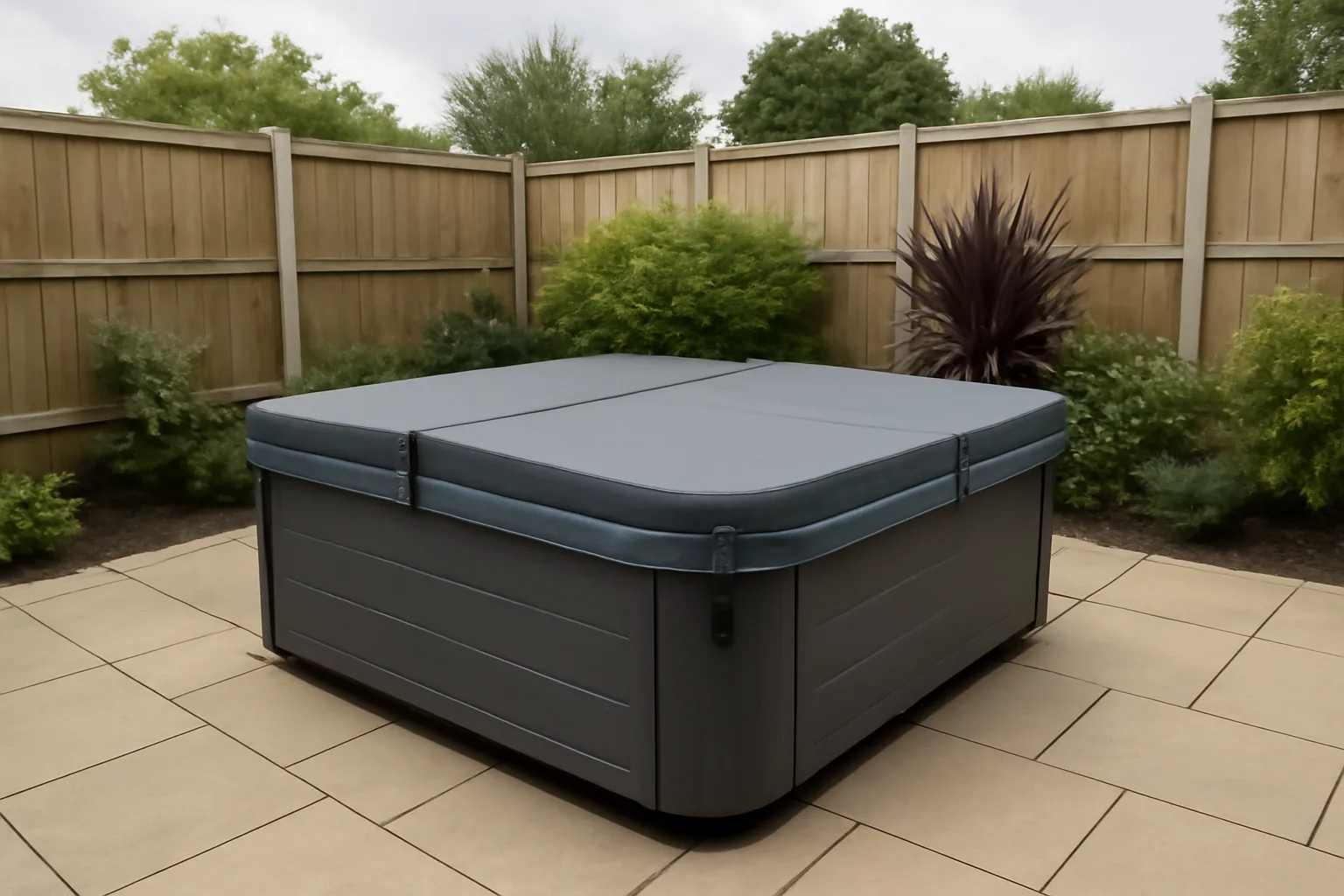
Clip the cover down, keep it clean and replace it when it gets heavy. A cover lifter costs about £150-£300 from UK spa dealers, but it can be worth it if it means the cover gets closed properly every time. Half-open covers are where money goes to die.
If your tub sits under trees, brush off leaves and standing water before they soak into the foam. A thermal floating blanket costs about £30-£80 and can help on older covers, though I would treat it as a support act rather than a cure for a failed lid.
Drop the set temperature slightly
Try 37°C instead of 39°C for normal evenings. Many people barely notice once they are in the water, but the heater notices. If you only use the tub at weekends, experiment carefully rather than letting it cool right down and reheating from scratch each time. Some tubs handle setback schedules well; others waste the saving during recovery.
Shelter the tub
A simple windbreak, fence panel or gazebo can reduce heat loss. You do not need a £2,000 enclosure to see a benefit. Even a sensible corner position can help, as long as there is still access for maintenance and the cover can open properly. Our winter hot tub guide covers the seasonal version of this.
Keep water moving properly
Clean filters, correct water level and balanced chemistry all help the heater and circulation system work as intended. HSE guidance for spa-pool systems is aimed mainly at managed/commercial settings, but its emphasis on controlled operation, maintenance and water quality is a useful reminder that hot water systems need routine care, not guesswork. The HSE’s HSG282 spa-pool guidance is the authority source here.
Use off-peak tariffs with care
If you are on an EV or time-of-use tariff, you may be tempted to heat only during cheap hours. That can work if your tub is well insulated and your controller supports schedules. It can also backfire if the water cools too much and the heater spends hours catching up. Check the kWh total, not just the clock time.
When High Electricity Use Signals a Problem
A high bill is not proof of a fault, but some patterns deserve attention.
Look for these warning signs:
- Steam escaping from the cover: the lid may not be sealing or the foam may be waterlogged.
- Slow heat recovery: dirty filters, low flow, scale or a weak heater can all be involved.
- Unusual pump noise: a struggling pump can run longer and use more energy.
- Frequent error codes: do not keep clearing them without finding the cause.
- Sudden kWh jump in mild weather: this is more suspicious than a gradual winter rise.
I would first check the cheap, obvious things: cover fit, filter condition, water level, set temperature, economy mode and whether anyone has left air controls open. Air controls can cool water faster because they pull colder air into the jet stream. It is a small detail, but it adds up.
If the tub still uses far more than expected, ask the dealer or a spa engineer to check heater operation, circulation and insulation. A call-out might cost £80-£150 before parts, but that is reasonable if the tub is wasting £40 a month through a fault.
The bottom line: measure kWh for a week before deciding anything. Hot tub electricity usage kWh is not a fixed label on the machine. It is the result of insulation, weather, cover condition, water volume, temperature, usage and tariff. Once you know your real number, the right fix is usually obvious.
Frequently Asked Questions
How many kWh does a hot tub use per day? Many UK hot tubs use about 4-12 kWh per day once hot. Efficient hard-shell tubs in mild weather can sit near the low end, while inflatable tubs, winter use and weak covers push usage higher.
How much does 10 kWh cost for a hot tub? At the July to September 2026 average Ofgem direct debit electricity rate of 26.11p/kWh, 10 kWh costs about £2.61. Your own tariff may be higher or lower.
Does turning a hot tub off save electricity? Sometimes, but not always. If you use it often, maintaining temperature can be cheaper than letting it cool right down and reheating. For long holidays, turning it down or shutting it down properly makes more sense.
Do hot tubs use more electricity in winter? Yes. Colder air, wind and rain increase heat loss, so the heater runs more often. A good cover and sheltered position matter far more in winter than in summer.
Is a 32A hot tub more expensive to run than a plug-and-play model? Not automatically. A 32A tub can draw more power when heating, but if it is better insulated and recovers heat faster, its daily kWh may be similar or lower than a poorly insulated plug-and-play tub.
What is the cheapest way to reduce hot tub electricity usage? Start with the cover: close it fully, clip it down, stop steam leaks and replace it if it is waterlogged. Then try a slightly lower set temperature and clean the filters so water flows properly.