Most hot tubs do not add a clean pound-for-pound increase to a UK house valuation. They can, though, make a garden feel more desirable, help a buyer picture the lifestyle, and support a higher asking price when the installation looks permanent, tidy and low-risk. The short version: a well-planned hot tub can help sell the property; a tired inflatable on sinking decking can do the opposite.
In This Article
- Do Hot Tubs Increase House Value in the UK?
- What Buyers Actually Notice
- The Installation Details That Protect Value
- Costs That Affect the Value Equation
- When a Hot Tub Can Put Buyers Off
- How to Make a Hot Tub More Saleable
- My Verdict
- Frequently Asked Questions
Do Hot Tubs Increase House Value in the UK?
Hot tubs increase house value only when they improve the overall garden package. They are rarely valued like an extension, a new kitchen or an extra bedroom. A surveyor is unlikely to say, “That spa cost £8,000, so add £8,000 to the valuation.” Buyers do not think like that either. They look at the garden and ask a simpler question: does this make the house feel better, or does it look like another job?
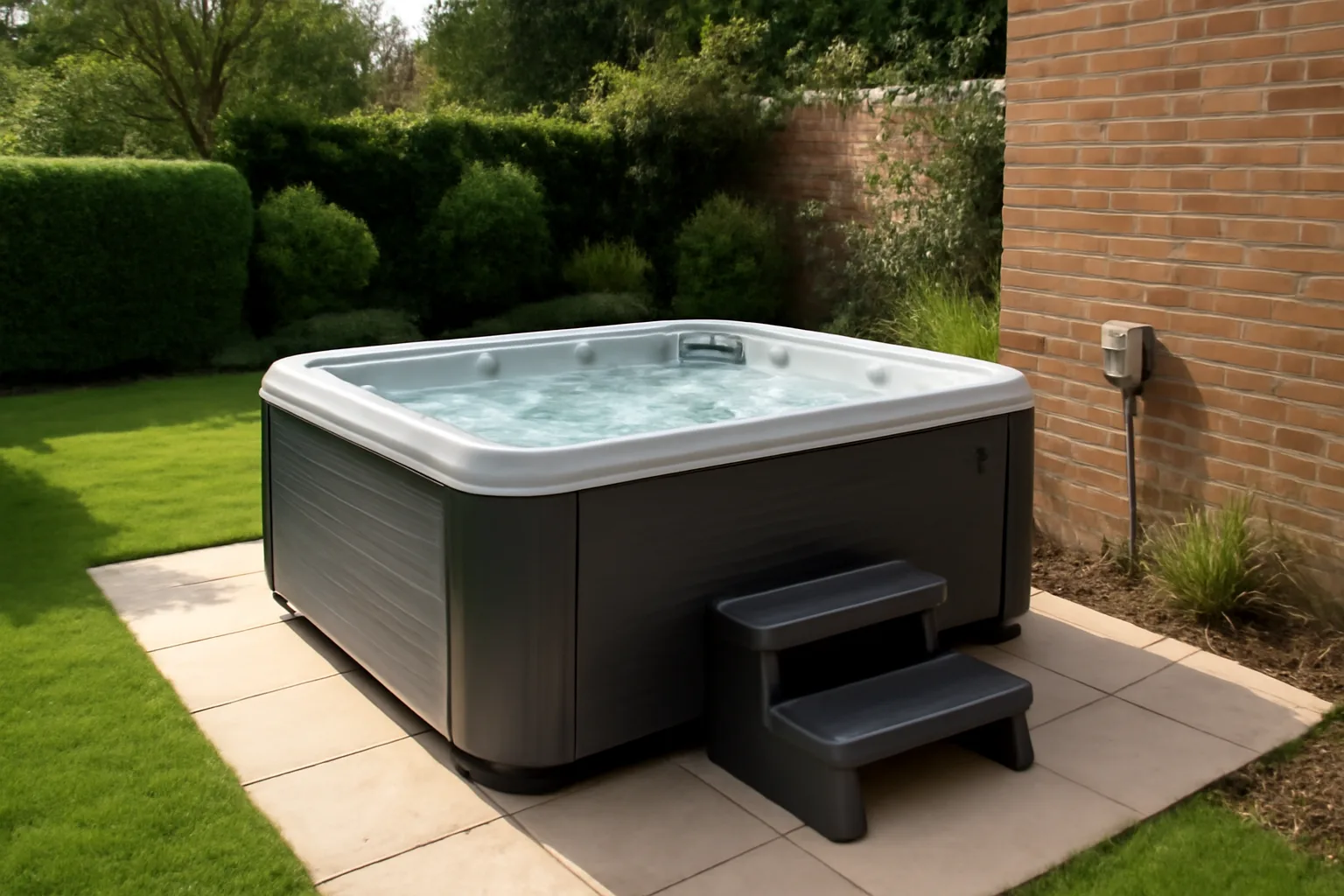
That distinction matters. A quality hard-shell spa set into a clean patio, with safe electrics, a covered seating area and neat access can make an ordinary garden feel like a finished outdoor room. In that situation, the hot tub supports perceived value. It may help the house stand out, justify firmer pricing, or reduce the chance of buyers trying to chip away at the offer.
An old tub with cloudy water, cracked panels, visible extension leads or warped decking does not have the same effect. It tells buyers they may inherit repair bills. Some will ask for it to be removed before completion.
Value is usually indirect
The best way to think about it is buyer appeal rather than formal valuation. A hot tub can help when it:
- Makes the garden look finished: Buyers see a usable leisure area, not dead space.
- Fits the property type: A family home with a private garden suits it better than a tiny terrace where the tub dominates the only outdoor space.
- Looks easy to own: Good cover, steps, service access and clean water reduce anxiety.
- Has sensible running costs: Modern insulated models feel less risky than old, hungry tubs.
- Does not block future use: Buyers still need space for dining, children, storage or planting.
Estate agents may talk about “lifestyle value”, and for once that phrase has some meaning. Hot tubs sell the idea of Friday evenings outside, summer gatherings and using the garden beyond two sunny weeks in July. That feeling can nudge decisions. It is not the same as guaranteed capital uplift.
The happiest UK owners I see are usually the ones who designed the space around the tub, not the ones who only upgraded the tub itself. Privacy, dry access and a decent cover get mentioned far more often than fancy lighting modes once the novelty has worn off.
Inflatable vs hard-shell matters
Inflatable hot tubs are personal possessions, not property improvements. A Lay-Z-Spa costing about £350 to £700 from Argos, B&Q or Amazon UK might make the garden more fun while you live there, but it should not be treated as a house-value upgrade. It is removable, seasonal and often looks temporary.
Hard-shell tubs are different. A decent four to six-person acrylic model might cost £4,000 to £9,000 before delivery, base work and electrics. Premium models from brands such as Jacuzzi, HotSpring or Sundance can run well beyond £10,000. If that tub is integrated into the landscaping, it becomes part of the way the buyer reads the property.
That is why our broader UK hot tub cost guide is worth reading before assuming resale value. Spending £12,000 does not mean you have added £12,000 to the house. You have bought a feature that may make the right buyer more enthusiastic.
What Buyers Actually Notice
Buyers rarely judge a hot tub in isolation. They judge the scene around it. If the garden feels private, safe and easy to use, the tub becomes a bonus. If the garden feels cramped or awkward, it becomes the reason they start mentally subtracting money.
Privacy is the first test
A hot tub beside a low fence, overlooked by three upstairs windows, is not a selling point for everyone. Privacy screening, pergolas, planting and careful positioning do more for value than a larger jet count. Buyers need to imagine using it without feeling like they are entertaining the whole street.
This is where a well-chosen enclosure can help. A simple timber pergola might cost £800 to £2,500 installed, while more substantial gazebos can move past £4,000. Our guide to hot tub gazebos and enclosures covers the practical options. For resale, the winner is usually the one that looks built-in without making the garden dark.
Access and layout matter more than jet count
Buyers notice whether there is safe, dry access from the back door. Nobody wants to shuffle across wet lawn in January. A paved route, anti-slip decking strip or porcelain patio around the spa makes the whole setup feel more professional.
They also notice if the tub has swallowed the garden. A four-person spa can be a lovely feature in a medium garden. The same spa in a small courtyard may look like a plastic bath with a mortgage. Leave space for normal garden life.
Condition sends a signal
Clean water, an undamaged cover and tidy panels say “looked after”. A torn cover says “heat loss and replacement cost”. A replacement cover is often £350 to £700 in the UK, depending on size and insulation thickness, so buyers are not wrong to notice it.
The same applies to steps, cover lifters and surrounding surfaces. A cover lifter at about £150 to £350 is a small thing, but it makes a heavy insulated cover look manageable. That affects buyer confidence. The hot tub cover lifter guide explains why this unglamorous accessory matters more than people expect.
The Installation Details That Protect Value
The hot tub itself is only half the story. The base, electrics, drainage and access determine whether it feels like an improvement or a problem waiting for the buyer’s solicitor.
A proper base removes doubt
A filled hot tub can weigh well over 1,500kg once you include water and people. That is why buyers get nervous when a spa is perched on tired decking or uneven slabs. A reinforced concrete pad, properly built patio base or engineered deck makes the feature easier to trust.
If the tub is on decking, be ready to show that the structure was designed for the load. Guesswork is not enough. Our hot tub deck support guide goes into the numbers, but the resale point is simple: visible sagging or bounce kills confidence.
For ground installations, expect a basic concrete base to cost roughly £500 to £1,500 depending on access, size and excavation. Porcelain paving or a designed patio area can cost much more, but it also makes the tub feel like part of the garden rather than a late addition.
Electrics must look professional
Most hard-shell hot tubs need a dedicated electrical supply installed by a qualified electrician. In the UK, a proper outdoor supply with RCD protection, isolation switch and armoured cable commonly costs about £500 to £1,200, sometimes more if the cable run is long or the consumer unit needs work.
Do not bodge this. Extension leads, trailing cables and improvised outdoor sockets make buyers twitchy, and rightly so. If your tub needs a 32A supply, have the paperwork ready. Our guide to hot tub electrical requirements in the UK covers the practical side in more detail.
Planning is usually simple, but not always irrelevant
Most domestic hot tubs do not need planning permission by themselves, but surrounding structures can change the picture. Tall enclosures, outbuildings, raised platforms and boundary positions can bring planning rules into play. The Planning Portal’s guidance on outbuildings and planning permission is a useful reference if the tub sits under a substantial structure.
Buyers do not want uncertainty. If you built a large pergola, garden room or raised deck around the tub, keep receipts, drawings and any correspondence. Even when permission was not required, a tidy paper trail calms nerves.
Drainage and service access count
A hot tub needs draining, cleaning and servicing. Buyers will look for somewhere the water can go without flooding a neighbour’s garden or turning the lawn into soup. They will also want access panels reachable without dismantling half the patio.
This is one of those quiet details that separates a nice installation from a nuisance. Leave space around at least the main service side. If the tub is sunk into decking, make sure access hatches are obvious and usable.
Costs That Affect the Value Equation
The resale question changes once you add the real cost of ownership. A hot tub might help the house feel premium, but it is still a running-cost item. Buyers know that.
Typical UK setup costs
For a respectable hard-shell hot tub installation, a rough UK budget looks like this:
- Hot tub: £4,000 to £9,000 for many decent family hard-shell models; £10,000+ for premium brands.
- Base or patio work: £500 to £3,000, depending on groundworks and finish.
- Electrical installation: £500 to £1,200 for many dedicated supplies.
- Cover lifter and steps: £250 to £700 combined.
- Starter chemicals and filters: £80 to £200.
- Privacy or weather cover: £800 to £4,000+ for pergolas, gazebos or screens.
That means a “£6,000 hot tub” can easily become an £8,000 to £12,000 garden project. If you are installing one only to sell the house next spring, I would be cautious. You may not recover enough of that outlay.
If you already want the hot tub for your own use over several years, the calculation is kinder. You get the enjoyment first, and any saleability benefit later is a bonus.
Running costs affect buyer enthusiasm
Modern insulated hard-shell tubs often cost around £30 to £80 per month to run in the UK, depending on size, insulation, tariff, temperature, cover quality and use. Poorly insulated or older models can cost more, especially through winter. Swim spas are a separate league; our swim spa running cost guide explains why.
Energy labels, insulation thickness and cover condition all help here. A buyer may not ask for a spreadsheet, but they will appreciate clear answers. If you can say, “It has been about £45 a month averaged over the last year,” that lands better than shrugging.
Owner complaints usually cluster around two things: winter bills and covers that become waterlogged. If those are both under control, the tub feels much easier to inherit.
Maintenance costs are modest but visible
Chemicals, filters and water care do not usually break the budget. Many owners spend about £15 to £35 per month on sanitiser, pH adjusters, test strips and replacement filters averaged across the year. The issue is not just money; it is perceived hassle.
That is why a clean, balanced tub matters during viewings. The hot tub chemicals beginner guide is useful if the water-care side still feels a bit mysterious. For selling, sparkling water is not optional. Cloudy water makes the whole feature look like work.
When a Hot Tub Can Put Buyers Off
A hot tub can reduce appeal if it looks expensive to remove, unsafe to use, or wrong for the property. This is the part sellers tend to ignore because they like their own tub. Buyers are colder judges.
The garden is too small
If the tub takes over the only sunny seating area, many buyers will see it as a compromise. Families may want play space. Gardeners may want beds. Entertainers may want a dining table. A hot tub should add a zone, not consume the garden.
This is especially true for compact urban gardens. A small two-person model can work, but an oversized six-person spa squeezed against every boundary feels forced.
The installation looks temporary
Temporary does not always mean bad, but it affects value. Inflatable tubs, clip-together foam mats, visible pumps and loose cables say “take this with you”. If that is the setup, do not expect it to influence the house price much.
The same applies to cheap surrounds that are already weathering badly. Buyers may prefer a clear patio to a tired tub they need to dismantle.
Noise and neighbours are a concern
Hot tub pumps, parties and late-night use can worry buyers in close-packed areas. A quiet modern pump helps, but the setting matters too. If the tub sits hard against a shared fence near a neighbour’s bedroom, a buyer may see future awkwardness.
Our article on hot tub noise levels is worth checking if this is a concern. For saleability, screening and sensible placement matter as much as the model itself.
Safety looks casual
Loose covers, poor steps, slippery surfaces and weak lighting all count against the feature. HSE guidance for pool and spa operators is aimed at commercial settings, but its spa-pool safety principles are a useful reminder that water, heat, electrics and hygiene need proper management.
A domestic buyer will not audit you like a leisure-centre manager. They will, however, notice if the setup looks careless.
How to Make a Hot Tub More Saleable
If you already own a hot tub and plan to sell within the next year, the best upgrades are not always the expensive ones. Make the installation look cared for, safe and easy to inherit.
Fix the visible weak points first
Start with the things buyers can see in ten seconds:
- Replace a tired cover: A new insulated cover often changes the whole look of the tub.
- Clean or repaint side panels: Faded panels make the spa look older than it is.
- Sort the steps: Stable, clean steps feel safer than a wobbly plastic afterthought.
- Tidy cable routes: Outdoor electrics should look intentional and professionally installed.
- Clean the surrounding patio: Algae and staining make the whole area feel neglected.
I would spend £500 on cover, cleaning and presentation before spending thousands on new accessories. A buyer will not pay extra because you added Bluetooth speakers. They may care that the cover is not splitting.
Keep documents together
Collect manuals, service records, warranty information, electrical certificates, receipts for base work and any installation notes. If the tub has had a new pump, heater, cover or control panel, keep that evidence too.
This is dull but powerful. Buyers fear unknown costs. Paperwork turns “old hot tub?” into “maintained feature with known history”.
Stage it as part of the garden
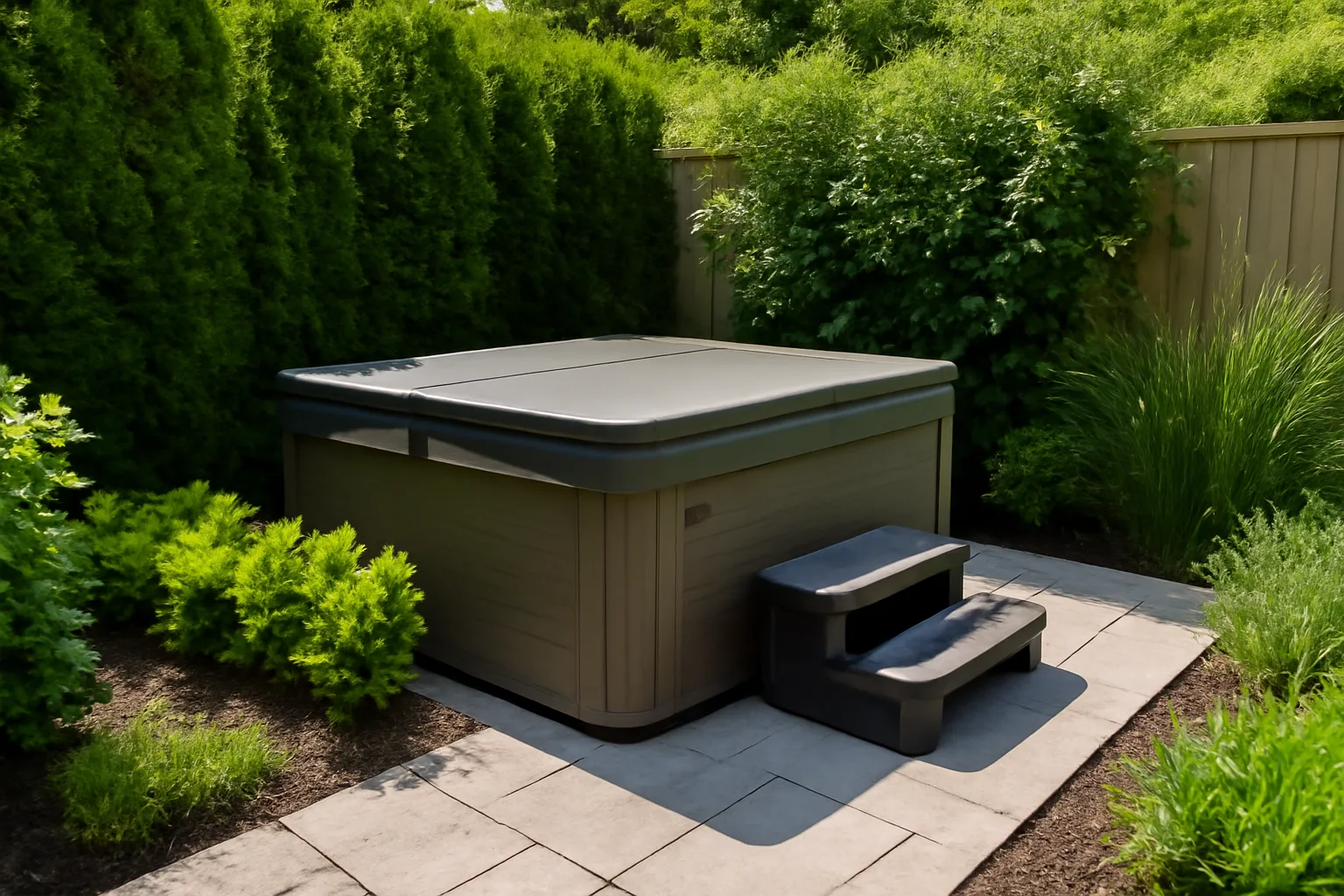
The best hot tub setups look like outdoor rooms. That does not mean scatter cushions everywhere. It means clean paving, working lighting, clipped planting, dry towel storage and a cover that opens neatly.
If you are photographing the house, lift the cover only if the water is clean and the inside looks good. A closed cover can be better than a half-hearted reveal. For viewings, warm water is not necessary, but clean water is.
Be honest about removal
Some buyers will not want the tub. That is fine. If removal is easy, say so. If you are willing to take it with you or negotiate, make that clear through the agent.
A removable hot tub that sits on a useful patio is less risky than a sunken tub that would leave a strange hole. If you are planning a new install and resale is in your mind, avoid building something that is expensive to reverse.
My Verdict
A hot tub can increase perceived house value, but it is not a reliable renovation profit play. Install one because you want to use it, not because you expect an estate agent to add the full cost to your valuation.
The strongest resale case is a quality hard-shell tub in a private, well-designed garden with safe electrics, a proper base, tidy access and low visible maintenance. In that setting, it can make the property feel more memorable and support buyer enthusiasm.
The weakest case is a tired, poorly placed tub that dominates the garden or raises questions about electrics, noise, drainage and removal. That kind of feature can become a negotiation point against you.
If I were improving a house purely for sale, I would spend first on the patio, privacy, planting, lighting and general garden presentation. If the hot tub is already there, make it look clean, documented and easy to own. That is where the value is.
Frequently Asked Questions
Do hot tubs add value to a UK house? Sometimes, but usually indirectly. A good hot tub setup can improve buyer appeal and garden presentation, but it rarely adds its full purchase and installation cost to the formal valuation.
Is a hard-shell hot tub better for resale than an inflatable one? Yes. A hard-shell tub with a proper base and safe electrics feels more like a garden feature. An inflatable tub is usually treated as a removable personal item.
Should I install a hot tub before selling my house? Usually no, unless the garden project already makes sense. If sale is the main goal, garden presentation, privacy, lighting and patio condition are safer places to spend money.
Can a hot tub put buyers off? Yes. Buyers may be put off by high running costs, poor access, noisy placement, weak decking, cloudy water, old covers or a tub that takes over a small garden.
What paperwork should I keep for a hot tub sale? Keep electrical certificates, manuals, warranty details, service records, receipts for base work and any evidence of replacement parts such as pumps, heaters or covers.
Does a swim spa add more value than a hot tub? Not automatically. Swim spas cost more, take more space and have higher running costs. They can impress the right buyer, but they can also narrow the buyer pool.