It is 10pm on a Tuesday and you have just fired up your hot tub for the first time. The jets sound like a washing machine on spin cycle. The pump hums through the decking. Your neighbour’s bedroom light goes on. You are now that person — the one who bought a hot tub without thinking about the noise.
Hot tub noise is one of the most overlooked aspects of ownership, and also one of the most complained about. The pump, the heater, the jets, and the blower all generate sound, and the total noise depends on the quality of the tub, where you place it, and what surface it sits on. This guide explains how loud hot tubs actually are, what causes the noise, and how to reduce it before your neighbours start leaving passive-aggressive notes. For related guidance, see our How to Choose a Hot Tub: The Complete UK Buyer’s Guide guide.
In This Article
- How Loud Is a Hot Tub?
- What Makes Hot Tubs Noisy
- Hot Tub Noise by Type
- How Hot Tub Noise Compares to Everyday Sounds
- UK Noise Regulations and Neighbours
- How to Reduce Hot Tub Noise
- Base and Surface Matters
- Pump and Equipment Placement
- When Noise Means Something Is Wrong
- Frequently Asked Questions
How Loud Is a Hot Tub?
The Numbers
Hot tub noise typically falls between 41 and 67 dB measured at 1 metre from the cabinet, depending on what is running:
- Circulation pump only (filtration mode): 41-48 dB — about the level of a quiet conversation or a running refrigerator
- Heater running (circulation + heating element): 45-52 dB — similar to moderate rainfall
- Low-speed jets: 50-58 dB — comparable to a dishwasher
- High-speed jets at full power: 58-67 dB — similar to a washing machine on spin cycle or a normal conversation at 1 metre distance
What Those Numbers Mean in Practice
At 45 dB (circulation mode), most people do not notice the sound unless they are standing next to the tub. At 60 dB (jets on medium), the noise is audible from inside your house with the windows open. At 67 dB (full jets), your neighbours will hear it clearly through their walls if the tub is close to the property boundary. The World Health Organization recommends that outdoor nighttime noise levels should not exceed 40 dB to avoid sleep disturbance.
Distance Matters
Sound drops by approximately 6 dB every time you double the distance from the source. A hot tub at 60 dB measured at 1 metre drops to roughly 54 dB at 2 metres, 48 dB at 4 metres, and 42 dB at 8 metres. If your neighbour’s bedroom is 8 metres from your tub, a 60 dB tub becomes a 42 dB hum at their window — noticeable but within reasonable limits.
What Makes Hot Tubs Noisy
The Circulation Pump
Every hot tub has at least one pump that circulates water through the filter and heater. This runs continuously or on a timer (typically 8-12 hours per day). It is the baseline noise — always present when the tub is operational. Quality pumps are quieter; cheap pumps hum, rattle, and vibrate. Our guide on hot tub pumps covers the differences between pump types.
The Jet Pump(s)
Separate from the circulation pump, jet pumps power the massage jets. These run only when you activate the jets and are the loudest component — the pump motor itself is noisy, and the water being forced through the jets adds to the sound. Multi-speed jet pumps are quieter at lower settings.
The Air Blower
Some hot tubs have an air blower that injects air into the water for a bubbly effect (separate from the jet massage system). Blowers are noisy — they generate a rushing sound that adds 5-10 dB on top of the jet noise. Not all tubs have blowers; many modern models use air-injection through the jet system instead.
The Heater
The heating element itself is silent, but the pump runs while heating to circulate water through the heater. The noise during heating is essentially the circulation pump noise. In winter, when the heater runs frequently to maintain temperature, this means the pump runs more often — increasing the total hours of noise per day.
Vibration Transfer
This is the hidden noise source. A pump that is perfectly quiet in isolation can transmit vibrations through the tub shell, the cabinet, and the base, amplifying the sound. A hot tub sitting directly on a wooden deck turns the deck into a sounding board — the vibrations travel through the timber and become audible as a low hum throughout the decking area and even inside the house.
Hot Tub Noise by Type
Inflatable Hot Tubs
Inflatable tubs (Lay-Z-Spa, Intex) are the noisiest category. The pump/heater unit sits outside the tub and is often poorly insulated. The thin inflatable walls offer no sound dampening. Expect 55-65 dB with the jets on. The pump alone sits around 48-55 dB. If you live in a semi-detached house or terrace, your neighbours will hear it.
Acrylic Shell Hot Tubs (Mid-Range)
The thick acrylic shell and insulated cabinet absorb some noise. Circulation pumps typically run at 42-50 dB, jets at 55-62 dB. The cabinet panels can sometimes rattle if not fitted properly, adding to the noise. Brands like HotSpring, Jacuzzi, and Canadian Spa fall in this range.
Premium Hot Tubs
High-end tubs from HotSpring Highlife, Jacuzzi J-400, and Wellis use vibration-damping pump mounts, fully insulated cabinets, and quieter two-speed pumps. Circulation noise drops to 41-45 dB, and jet noise to 52-58 dB. The difference between a £3,000 tub and a £7,000 tub is often most obvious in the noise level, not the jet power.
Swim Spas
Swim spas are louder than standard hot tubs because the swim current pump is powerful (3-5 HP versus 1-2 HP in a hot tub). Expect 60-70 dB during swim mode. Swim spas should ideally be installed further from property boundaries. Our swim spa installation guide covers placement considerations.
How Hot Tub Noise Compares to Everyday Sounds
For context, here is where hot tub noise sits in the everyday scale:
- 30 dB — quiet bedroom at night
- 40 dB — quiet library
- 42-48 dB — hot tub circulation pump (equivalent to a fridge humming)
- 50 dB — moderate rainfall
- 55-62 dB — hot tub jets on medium (equivalent to a dishwasher)
- 60 dB — normal conversation at 1 metre
- 65-67 dB — hot tub jets on full (equivalent to a washing machine)
- 70 dB — busy street traffic
- 85 dB — food blender
The key insight: hot tub circulation noise sits comfortably below conversation level. Jet noise is comparable to common household appliances. Neither is unreasonable during daytime hours, but both are potentially disruptive at night.
UK Noise Regulations and Neighbours
The Legal Position
There is no specific UK law about hot tub noise. However, local councils can take action under the Environmental Protection Act 1990 if a hot tub constitutes a “statutory nuisance” — defined as noise that unreasonably interferes with a neighbour’s use and enjoyment of their property.
What Constitutes a Nuisance
Council noise teams assess complaints based on:
- Time of day — noise after 11pm and before 7am is treated more seriously
- Duration — continuous background noise (pump running all night) is worse than intermittent noise (jets for 20 minutes)
- Character — tonal noise (a constant hum at a specific frequency) is more annoying than broadband noise (general rushing sound)
- Location — urban areas have higher background noise, so a hot tub is less noticeable than in a quiet rural setting
The Practical Advice
- Tell your neighbours before installing a hot tub. A friendly conversation prevents formal complaints.
- Keep the tub as far from boundary fences as practical.
- Avoid running jets after 10pm. Circulation mode is fine — it is quiet enough that most neighbours will not notice.
- Invest in noise reduction (see below) if your tub is within 3 metres of the property boundary.
How to Reduce Hot Tub Noise
Anti-Vibration Pads
Rubber anti-vibration pads placed under the tub (and under the pump mounts if accessible) absorb vibrations before they transfer into the base and cabinet. Cost: about £15-40 for a set. This is the single cheapest and most effective noise reduction measure.
Sound-Absorbing Cabinet Insulation
Adding acoustic foam or mass-loaded vinyl inside the cabinet panels reduces airborne noise from the pump compartment. Some owners line the inside of the access panel with acoustic foam (about £20-30 from Amazon UK). The improvement is noticeable — roughly 3-5 dB reduction.
A Concrete Base (Instead of Decking)
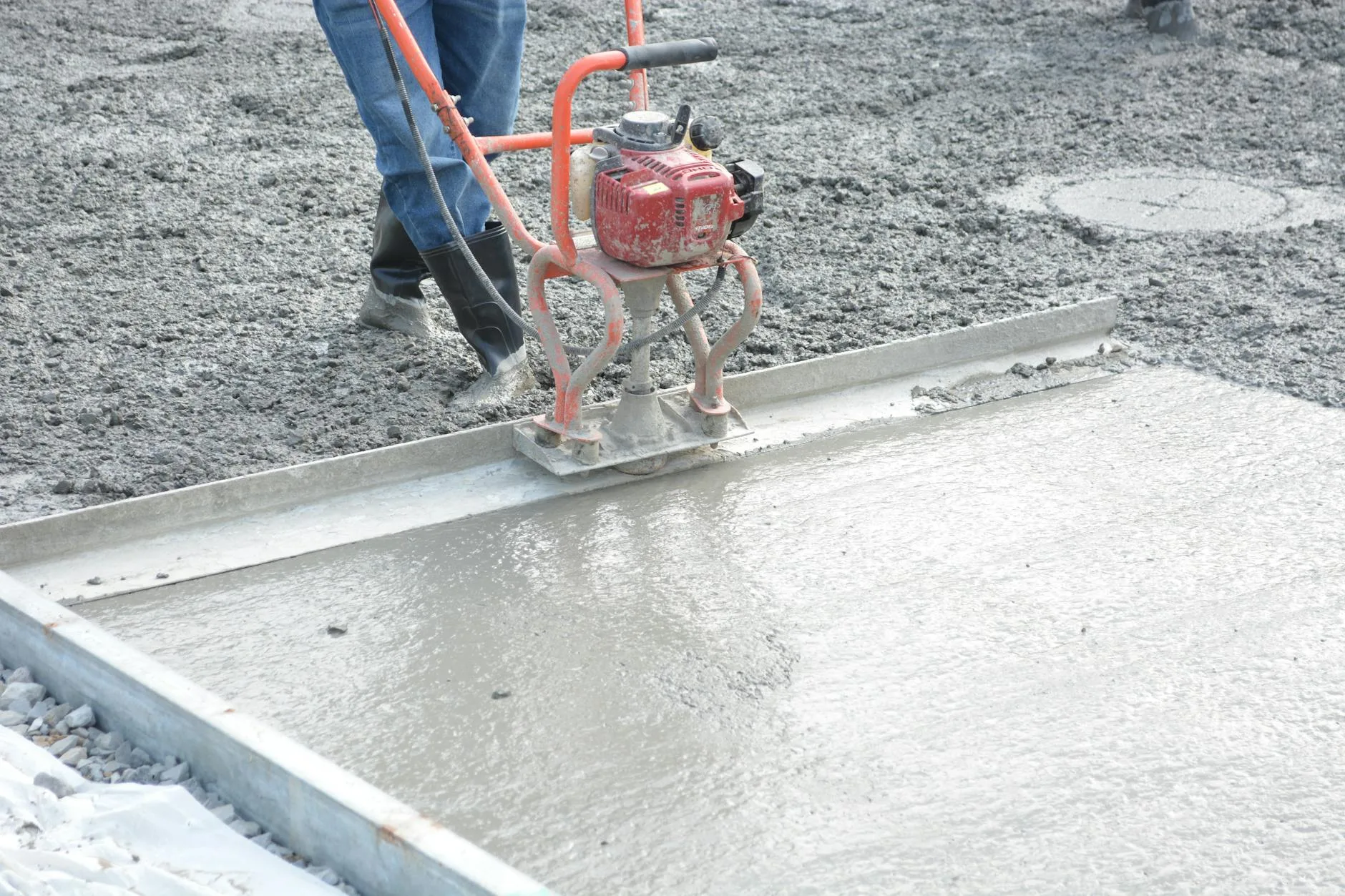
A concrete pad absorbs vibration instead of amplifying it. A wooden deck acts as a resonating surface that turns pump vibration into audible hum. If you are planning a hot tub installation, a concrete base is quieter than decking, cheaper than composite, and the best long-term foundation. Our hot tub cost guide covers base installation costs.
Acoustic Fencing
A solid fence or wall between the tub and the neighbour’s property blocks direct sound transmission. A standard 1.8-metre close-board fence reduces noise by about 10-15 dB. Acoustic fencing (with mass-loaded vinyl or dense boarding) can reduce it by 20+ dB. Even a dense hedge provides some sound absorption.
Pump Speed Management
If your tub has a two-speed pump, use the low-speed setting for normal soaking and reserve high speed for occasional deep massage. Low-speed jets are typically 8-12 dB quieter than high speed — which is roughly half as loud to the human ear.
Base and Surface Matters
The Best Surfaces (Quietest to Loudest)
- Concrete slab — absorbs vibration, heavy and stable. The quietest option.
- Paving slabs on compacted sand — good vibration absorption, easy to level.
- Composite decking on a solid subframe — moderate vibration transfer, depends on the subframe.
- Wooden decking — amplifies pump vibration noticeably. The most common surface and the noisiest.
- Directly on grass — unstable and not recommended, but surprisingly quiet because earth absorbs vibration well.
If You Already Have a Wooden Deck
Place a concrete paving slab (or thick rubber matting) under the tub to decouple it from the deck surface. This prevents the deck from acting as a speaker cone for pump vibrations. The improvement is immediate and noticeable.
Pump and Equipment Placement
Access Panel Orientation
The access panel (where the pump sits) should face away from the neighbour’s property. Sound radiates most strongly from the pump compartment, so orienting the panel toward your house or garden wall rather than the boundary fence reduces noise in the direction that matters.
Pump Mount Isolation
Higher-quality tubs mount the pump on rubber isolators. Budget tubs bolt the pump directly to the frame, which transmits every vibration into the shell. If your pump vibrates noticeably, aftermarket rubber mounting kits (about £10-20) can be retrofitted.
When Noise Means Something Is Wrong
Grinding or Screeching
A grinding noise from the pump indicates worn bearings. This is a mechanical failure, not normal operation. Bearings are replaceable (about £50-100 including labour), but ignoring the sound leads to total pump failure.
Rattling or Buzzing
Loose cabinet panels, unsecured plumbing fittings, or debris in the pump impeller. Check all panel clips and tighten any loose connections. If the buzz comes from the pump itself, check for trapped debris in the impeller housing.
Gurgling or Air Locks
Air trapped in the plumbing creates a gurgling sound and reduces jet performance. Loosen the pump union slightly (with the power off) to bleed the air, then re-tighten. Our cloudy water fix guide covers related plumbing issues.
Sudden Increase in Noise
If a previously quiet tub becomes noticeably louder, something has changed — a failing bearing, a loose panel, a pump mount that has deteriorated, or a water level that has dropped below the skimmer intake (causing the pump to cavitate). Investigate before the minor issue becomes an expensive one.
Frequently Asked Questions
How loud is a hot tub at night? In circulation mode (no jets), a typical hot tub runs at 41-48 dB — similar to a fridge humming. At a distance of 4-8 metres (typical for a neighbour’s bedroom), this drops to around 35-42 dB, which is below the WHO’s recommended 40 dB nighttime noise threshold in most cases.
Will a hot tub annoy my neighbours? In circulation mode, most neighbours will not notice. With jets on full, a hot tub at 60-67 dB is audible from neighbouring properties. Avoid running jets after 10pm, position the tub as far from boundaries as possible, and use anti-vibration pads to minimise impact.
Are inflatable hot tubs louder than hard-shell tubs? Yes. Inflatable tubs have external pump units with minimal insulation and thin walls that offer no sound dampening. Expect 55-65 dB with jets compared to 52-62 dB for a mid-range acrylic tub. The difference is most noticeable in circulation mode.
How can I make my hot tub quieter? The most effective measures are: anti-vibration pads under the tub (£15-40), a concrete base instead of decking, acoustic foam inside the cabinet panels (£20-30), orienting the pump access panel away from neighbours, and using low-speed jets for normal soaking.
Can the council make me remove a noisy hot tub? Not directly, but under the Environmental Protection Act 1990, councils can serve a noise abatement notice requiring you to reduce the noise to acceptable levels. This might mean adding insulation, restricting jet use to daytime hours, or repositioning the tub — not necessarily removing it.