You’ve invested £4,000 in a hot tub, installed it on a perfectly levelled base, and now you’re sitting in it on a January evening watching rain bounce off your head while the wind blows your towel into next door’s garden. A gazebo or enclosure solves every outdoor hot tub problem at once — weather protection, privacy from neighbours, and a structure that makes the whole setup look like it was planned rather than plonked in the middle of the lawn. For related guidance, see our Best Hot Tub Gazebos & Enclosures guide.
In This Article
- Why You Need a Hot Tub Enclosure
- Types of Hot Tub Enclosure
- Wooden Gazebos
- Aluminium and Metal Frame Gazebos
- Pop-Up and Portable Gazebos
- Hot Tub Specific Enclosures
- Pergolas with Roofing
- Planning Permission and Regulations
- Sizing Your Enclosure
- Installation and Base Requirements
- Frequently Asked Questions
Why You Need a Hot Tub Enclosure
A hot tub without shelter is a fair-weather luxury. In the UK, where it rains an average of 156 days per year, that limits your comfortable soaking to about half the calendar. An enclosure transforms it into a year-round experience.
Weather Protection
Rain is the obvious one, but wind is arguably worse. A 10mph breeze across the surface of a hot tub drops the water temperature noticeably and makes the experience miserable. An enclosure blocks wind on at least two or three sides, keeping the warmth contained and reducing your energy bills at the same time — less wind means less heat loss, which means the heater runs less.
Snow is another consideration. Soaking in a hot tub during a snowfall is one of the genuinely magical experiences of hot tub ownership — but only if the snow isn’t landing directly on your head. An overhead roof makes the difference between atmospheric and annoying.
Privacy
Unless you live on a large rural property, your neighbours can probably see into your garden. Sitting in a hot tub in swimwear (or less) while next door’s kids are on their trampoline is uncomfortable for everyone. Side panels, screens, or enclosed walls give you the privacy to actually relax.
Aesthetics
A well-chosen enclosure makes your hot tub area look intentional — a designed outdoor living space rather than an appliance sitting on a concrete pad. After fitting a wooden gazebo over ours, the whole garden looked better. It created a defined zone that feels separate from the rest of the garden, like a permanent outdoor room. The neighbours commented on how much better it looked within a week — which, coming from the people who’d been watching us sit in the rain for six months, was fair.
Reduced Maintenance
Leaves, bird droppings, insects, and debris are the ongoing annoyances of an exposed hot tub. An enclosure — particularly one with a roof — cuts down what ends up in the water. Less debris means fewer filter cleans, less chemical adjustment, and a hot tub that stays cleaner for longer between full drains.
Types of Hot Tub Enclosure
At a Glance
- Wooden gazebo — the most popular UK choice. Attractive, durable, customisable. £500-3,000+
- Metal frame gazebo — modern look, low maintenance. £300-2,000
- Pop-up gazebo — cheap, temporary, limited protection. £80-300
- Hot tub-specific enclosure — designed to fit around and over the tub. £800-5,000
- Pergola with roofing — open feel with overhead protection. £400-2,500
Wooden Gazebos
Why They’re the UK Favourite
Wooden gazebos suit the British garden aesthetic. They look natural, age well (especially in cedar or treated softwood), and can be customised with sides, curtains, lighting, and shelving. A 3m × 3m wooden gazebo provides enough space for most hot tubs with room to move around.
Materials
- Pressure-treated softwood (pine/spruce) — the budget option. Treated with preservative to resist rot and insect damage. Needs re-treating every 2-3 years. About £500-1,200 for a basic 3m × 3m structure
- Western red cedar — naturally rot-resistant, beautiful colour, aromatic. Doesn’t need chemical treatment. Costs more (£1,000-2,500) but lasts 20+ years with minimal maintenance
- Oak — premium option. Extremely durable, develops a silver-grey patina over time. Expensive (£2,000-5,000+) and heavy, but built to last a lifetime
What to Look For
- Roof style — hip roof (four-sided slope) sheds rain and snow better than a flat or gable roof. Felt shingles are traditional; polycarbonate panels let in light while keeping rain out
- Post size — minimum 90mm × 90mm for structural stability, especially if you’re in an exposed or windy location
- Floor — most hot tub gazebos don’t need a built-in floor since the tub sits on its own base. If the gazebo includes decking, ensure it’s rated for the weight of a filled hot tub (1,500-2,500kg)
- Side panels — open sides offer ventilation and views but no privacy. Half-height panels with lattice or trellis above give privacy while maintaining airflow, which matters in an enclosed space full of steam
Popular UK Suppliers
- Dunster House — good range, competitive prices, flat-pack delivery. Their Erin and Leviathan models are popular for hot tubs
- Forest Garden — widely available through B&Q and Wickes. Solid build quality at mid-range prices
- Mercia Garden Products — available through Argos and Amazon UK. Good budget options
- Crown Pavilions — premium bespoke gazebos. Expensive but exceptional quality
Aluminium and Metal Frame Gazebos
When Metal Makes Sense
Metal frame gazebos are lower maintenance than wood — no painting, treating, or worrying about rot. They suit modern garden designs and are lighter to install. The downside is they can feel less natural and more “garden furniture” than a wooden structure.
Types
- Aluminium hardtop gazebos — a rigid roof (usually polycarbonate or steel panels) on aluminium posts. Permanent structures designed to withstand UK weather year-round. About £500-2,000 from Argos, Amazon UK, and specialist retailers
- Steel frame with canopy — a metal frame with a fabric roof. More affordable (£200-600) but the fabric needs replacing every 2-3 years and doesn’t perform well in heavy snow
- Louvred roof gazebos — adjustable slats that open and close, letting you control light, ventilation, and rain protection. The premium option at £2,000-5,000+ but extremely versatile
Maintenance
Virtually none. Wipe down the frame annually, check fixings are tight, and replace any worn-out canopy fabric. Aluminium doesn’t rust, though cheaper steel frames may develop rust spots at joints after a few years — look for galvanised or powder-coated steel.
Pop-Up and Portable Gazebos
The Temporary Option
A pop-up gazebo (the kind you see at car boot sales and festivals) costs £80-300 and takes 10 minutes to erect. For a quick solution or to test whether you want a permanent enclosure, they work in a pinch.
Limitations
- Wind resistance — most pop-ups blow away in anything above about 20mph, even with guy ropes and weights. UK weather doesn’t respect pop-up gazebos
- Durability — the waterproof coating on the fabric degrades within 1-2 seasons. Seams start leaking, zips corrode, and poles bend
- Aesthetics — they look exactly like what they are: a temporary structure. If you’ve spent thousands on a hot tub, a pop-up gazebo undermines the look
- Steam damage — the constant steam from a hot tub accelerates fabric degradation. The underside of the canopy develops mildew within weeks
When They Make Sense
As a stopgap while you plan a permanent enclosure, or for occasional use (a hot tub party, a specific event). Don’t rely on one as a permanent solution — you’ll replace it every year and spend more in the long run than buying a proper gazebo once.
Hot Tub Specific Enclosures
Purpose-Built Solutions
Several companies make enclosures designed specifically to fit over and around hot tubs. These range from simple canopy frames to fully enclosed rooms with doors, windows, and ventilation.
Types
- A-frame shelters — a peaked roof on two legs that covers the hot tub from above. Open sides for ventilation, roof for rain protection. About £300-800. Simple to install
- Retractable enclosures — dome or barrel-shaped covers that slide open or fold back. Give you the option of open-air or enclosed depending on the weather. About £1,500-5,000 depending on size
- Hot tub rooms — fully enclosed structures with insulated walls, a door, and often integrated lighting and ventilation. Essentially a small garden building purpose-built for a hot tub. About £3,000-10,000+
Ventilation Matters
Any enclosed hot tub space needs ventilation. The steam from a 38°C hot tub creates a lot of moisture — without airflow, the interior becomes a sauna (which some people want) and any wooden or fabric surfaces develop mould quickly. Ensure your enclosure has:
- At least two openable sides or windows — for cross-ventilation
- A vented or partially open roof — lets steam escape upward
- Gap between the enclosure base and ground — prevents moisture pooling at floor level
Pergolas with Roofing
The Open-Air Compromise
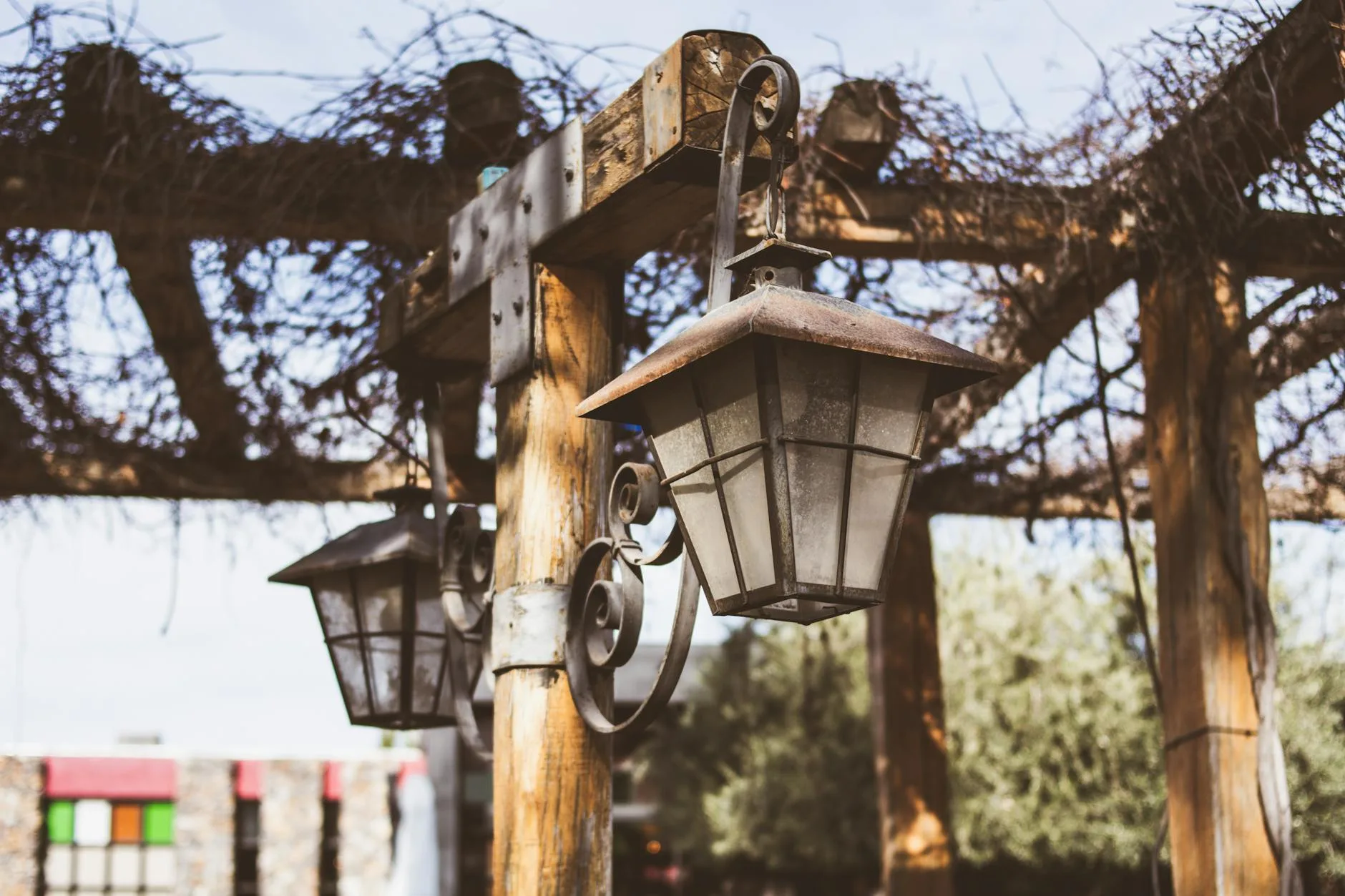
A pergola gives you the structure and overhead coverage without the enclosed feeling. By adding a roof to a traditional open-sided pergola, you get rain protection while maintaining the open, airy feel. Many hot tub owners prefer this to a fully enclosed gazebo — you’re protected from rain but still feel like you’re outdoors.
Roofing Options
- Polycarbonate sheets — lightweight, clear or tinted. Let light through while blocking rain. About £10-20 per square metre
- Retractable shade sails or canopies — pull across for shade and light rain protection, retract for open sky. More expensive (£200-500) but very flexible
- Green roof / climbing plants — train wisteria, grapevine, or jasmine over the pergola for natural shade. Takes 2-3 years to establish but looks stunning and smells wonderful
- Polycarbonate roofing panels with side curtains — add outdoor curtains or blinds to the pergola posts for wind protection and privacy when needed
Cost
A basic wooden pergola with polycarbonate roofing costs about £400-800 for materials if you build it yourself, or £800-2,000 installed professionally. Less expensive than most gazebos and creates a beautiful garden feature beyond just hot tub use.
Planning Permission and Regulations
The Good News
Most hot tub gazebos and enclosures fall under permitted development rights and don’t need planning permission, provided they meet these conditions:
- Not forward of the principal elevation — the enclosure must be at the side or rear of the house
- Single storey — maximum eaves height of 2.5m
- Maximum overall height — 4m for a dual-pitched roof, 3m for any other roof type, or 2.5m if within 2m of a boundary
- Total coverage — outbuildings and covered structures combined must not cover more than 50% of the garden area
- Materials — no unusual materials that would affect the character of the area
- Not in a conservation area or listed building curtilage — additional restrictions apply
When You DO Need Permission
- The enclosure is within 2m of a boundary and over 2.5m tall
- You live in a conservation area, national park, or AONB (additional restrictions on size and materials)
- Your property is a listed building
- The combined footprint of all outbuildings exceeds 50% of the garden
- The enclosure includes electrical or plumbing work that requires Building Regulations approval
Electrical Considerations
If you’re adding lighting, speakers, or heaters to the enclosure, the electrical work must comply with Part P of the Building Regulations. This usually means using a qualified electrician who can self-certify the work. Hot tub electrical requirements are separate from the enclosure electrics but often done at the same time.
Sizing Your Enclosure
Minimum Clearance
You need access space around the hot tub for:
- Cover removal — a cover lifter needs about 60-90cm behind the tub
- Entry and exit — at least 90cm on the access side, ideally with steps
- Maintenance access — service panels on the tub need to be accessible. Allow 60cm minimum on the service side
- Safety — don’t position the tub directly under a low roof section. Standing up in the tub and hitting your head on a beam is not the relaxing experience you had in mind
Recommended Sizes
- 4-person hot tub (2m × 2m) → minimum 3m × 3m enclosure, ideally 3.5m × 3.5m
- 6-person hot tub (2.2m × 2.2m) → minimum 3.5m × 3.5m, ideally 4m × 4m
- 8-person or swim spa → 4m × 4m minimum, but consider 4m × 5m for comfortable movement
Height
Minimum internal height of 2.2m at the lowest point. If you have a cover lifter that folds the cover upward, measure the fully opened cover height and add 30cm. There’s nothing worse than discovering your gazebo roof is 5cm too low for the cover lifter to open properly — we measured twice and it was still tighter than expected.
Installation and Base Requirements
Foundation
Your enclosure needs a level, solid base. Options include:
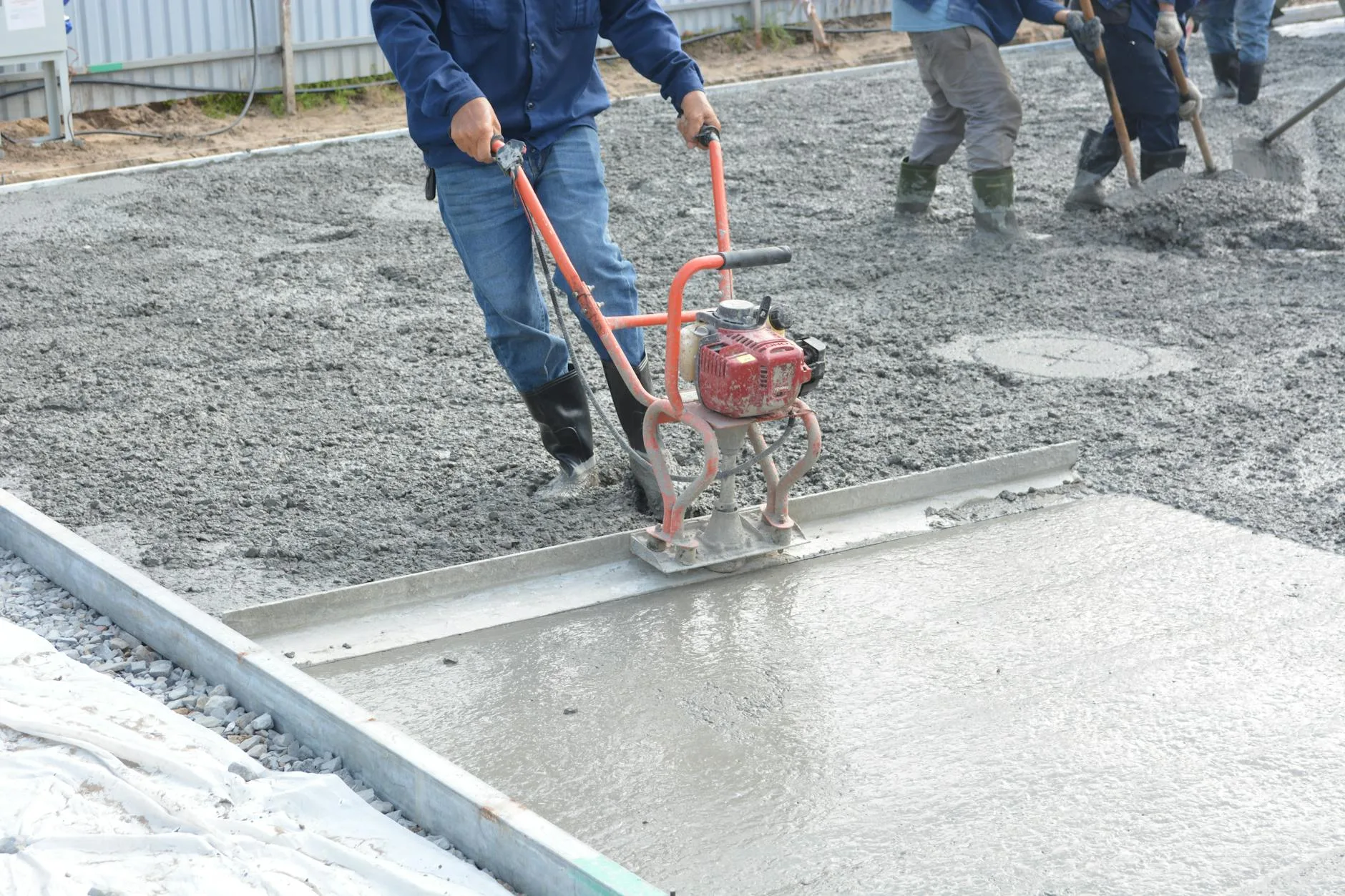
- Concrete pad — the strongest option. Easily supports both the enclosure posts and a filled hot tub. 100mm thick with reinforcement for hot tub areas
- Paving slabs — suitable for lighter enclosures. Use 50mm thick slabs on a compacted sub-base
- Decking — check it’s rated for the total weight (hot tub + water + people = 1,500-2,500kg). Most standard garden decking isn’t strong enough — you’ll need reinforced joists and additional support posts
Post Anchoring
Gazebo and pergola posts must be anchored securely. Methods include:
- Post anchors bolted to concrete — the strongest method. Bolt-down post shoes keep the wood off the wet ground (preventing rot) while providing rigid fixing
- Buried posts in concrete — traditional method. Dig a 600mm deep hole, set the post, and pour concrete around it. Effective but makes future removal or replacement difficult
- Ground screws — helical screws driven into the ground that support the posts. No concrete needed, removable, and suitable for most UK soil types. About £15-25 per screw from specialist suppliers
Professional vs DIY
A flat-pack wooden gazebo is a weekend project for two people with basic tools. Metal frame gazebos are easier — typically a half-day job. Purpose-built enclosures and anything requiring groundwork (concrete bases, drainage) are better handled by professionals unless you’re experienced.
Budget about £200-500 for professional installation of a flat-pack gazebo on an existing base. For full groundwork plus installation, budget £1,000-2,000 on top of the structure cost.
Frequently Asked Questions
Do I need planning permission for a hot tub gazebo? Usually no — most garden gazebos and enclosures fall under permitted development rights. The key requirements are: it must be at the side or rear of your house, under 2.5m at the eaves, and outbuildings combined must not cover more than 50% of your garden. If you’re in a conservation area or within 2m of a boundary with a structure over 2.5m tall, you may need planning permission. Check with your local authority if you’re unsure.
What size gazebo do I need for a hot tub? For a standard 4-person hot tub (about 2m × 2m), you need a minimum 3m × 3m gazebo. This gives enough clearance for a cover lifter, entry steps, and walking around the tub. For 6-person tubs, go for 3.5m × 3.5m or larger. Always measure your cover lifter’s clearance height too — the gazebo needs to be tall enough for the cover to open fully.
Will a gazebo save money on running costs? Yes — by reducing wind exposure, a gazebo reduces heat loss from the water surface. The heater runs less frequently, which can reduce electricity costs by 10-20%. A well-insulated enclosure with sides and a roof saves more than an open pergola. Your hot tub cover still does the heavy lifting for heat retention when the tub isn’t in use, but the enclosure helps while you’re soaking.
How do I stop mould inside a hot tub gazebo? Ventilation is the key. Ensure your enclosure has at least two openable sides or vents for cross-ventilation. After each soak, leave the cover off for 15-20 minutes to let steam dissipate, and open any doors or windows. If mould does appear on wooden surfaces, treat with a mould-killing spray and apply a fungicidal wood preserver. Cedar is naturally more mould-resistant than treated softwood.
Can I put a hot tub enclosure on decking? You can if the decking is strong enough. A filled 6-person hot tub with occupants weighs 1,800-2,500kg — that’s the weight of a small car concentrated in a 2m × 2m area. Standard garden decking isn’t built for this. You’ll need reinforced joists (doubled up, on closer centres), additional support posts, and ideally an engineer’s confirmation that the structure can handle the load.