Most hot tubs last between 5 and 20 years, but that range is too wide to be useful unless you separate inflatable, plug-and-play and hard-shell tubs. If you are asking how long hot tubs last because you are buying used, budgeting repairs or wondering whether yours is past saving, the honest answer is: the shell and cabinet usually outlive the cover, pump, heater and pillows by years.
In This Article
- The Short Answer by Hot Tub Type
- How Long Hot Tubs Last in Real UK Use
- The Parts That Wear Out First
- What Shortens a Hot Tub’s Life
- Repair or Replace: The Sensible Cost Test
- How to Make a Hot Tub Last Longer
- What to Check Before Buying Used
- Frequently Asked Questions
The Short Answer by Hot Tub Type
The lifespan depends more on the type of tub than the badge on the side. A £450 inflatable that lives outside all year is not playing the same game as a £9,000 hard-shell spa on a proper base with a decent cover.
Typical lifespan ranges
Use these ranges as a practical UK planning guide:
- Inflatable hot tub: 2-5 years, with liners and inflatable lids often showing wear before the pump unit fails.
- Plug-and-play hard-shell tub: 7-12 years, assuming the electrics stay dry and the cover is replaced when it loses insulation.
- Mid-range acrylic hard-shell tub: 10-15 years, with pumps, heaters and covers replaced along the way.
- Premium hard-shell tub: 15-20 years, sometimes longer if the shell, frame and plumbing stay sound.
- Wood-fired hot tub: 8-15 years for the tub body, but stoves, flues and timber need more hands-on care.
The difference is not just purchase price. It is insulation, cabinet quality, access to spare parts and whether the equipment bay is built to survive British damp. A cheap inflatable can be a cracking summer purchase, but it is not a 15-year asset. A good acrylic spa can be, provided you treat it like an appliance rather than garden furniture.
The buying decision hidden inside the lifespan question
If you want occasional school-holiday use, a short-life inflatable still makes sense. Spending £400-£700 at Argos, B&Q or Amazon UK and getting three summers from it is not a disaster. If you want weekly use, winter soaking and lower heat loss, a proper hard-shell model from a dealer usually wins because the longer life spreads the cost.
That is the same trade-off covered in our hot tub cost guide, but lifespan changes the calculation. A £5,500 tub lasting 11 years costs £500 a year before electricity and chemicals. A £600 inflatable lasting three years costs £200 a year before the higher heat loss. The cheap option is still cheaper, but not by as much as the sticker price suggests.
How Long Hot Tubs Last in Real UK Use
How long hot tubs last in real UK gardens depends on rain, winter use, water care and where the tub sits. I would expect a cared-for hard-shell spa to feel middle-aged at around year eight, not finished. By that point the cover may be tired, a pump may have been replaced and the pillows may look awful, but the shell can still be fine.
Inflatable tubs: good fun, short life
Inflatable tubs are brilliant for testing whether the family uses a hot tub enough to justify a permanent one. The weak points are the liner, seams, inflatable lid, air blower and external pump/heater unit. UV, pets, dragging across paving and being left up through winter all shorten the life.
In UK use, two or three summers is normal. Five years is possible if it is stored dry, cleaned properly and not run hard through frosty weather. Replacement filter cartridges are cheap, usually about £8-£15 for a pair from Lay-Z-Spa, B&Q or Amazon UK, but replacement lids, liners and pump units can make an old inflatable uneconomic.
The big mistake is treating an inflatable like a mini version of a hard-shell spa. It is closer to a seasonal appliance. If the liner is patched twice and the pump is noisy, I would not throw £180-£250 at a replacement pump unless the rest of the tub is in excellent condition.
Plug-and-play tubs: better body, modest equipment
Plug-and-play hard-shell tubs sit in the middle. They usually run from a 13A socket, cost roughly £3,000-£6,000 new, and suit people who want something more durable than an inflatable without a full 32A electrical installation.
Seven to 12 years is a fair expectation. The shell and cabinet may last longer, but the heater, circulation pump and control pack are usually the bits that decide whether the tub is still worth repairing. A replacement hot tub pump can be roughly £180-£450 before labour, while a heater element might be £80-£180. Labour varies, but a call-out plus diagnosis can easily land around £90-£150.
If you are choosing between sizes, our hot tub size guide matters here. Oversized tubs cost more to heat and put more strain on covers and water care because there is more water to manage.
Hard-shell acrylic tubs: the longest-lived option
Acrylic hard-shell tubs have the best lifespan because the shell is rigid, the insulation is better and the parts are usually replaceable. The best ones are not immortal, though. Pumps hum, seals perish, heaters fail, diverter valves stiffen and cabinet panels fade.
The main shell can last 15 years or more if it is not cracked, unsupported or cooked by poor water balance. The equipment is more like a serviceable car: you replace parts as they age. A good dealer network helps because you can still get compatible pumps, jets, control panels and covers years later.
If I were buying for long-term family use, I would rather buy a simpler tub from a solid UK dealer than a feature-heavy model with hard-to-source electronics. Fancy speakers and waterfalls age faster than a comfortable shell, strong cover and accessible equipment bay.
The Parts That Wear Out First
The tub does not usually die all at once. One part starts costing money, then another, and the decision becomes whether the next repair buys several more years or just delays the inevitable.
Covers, pillows and filters
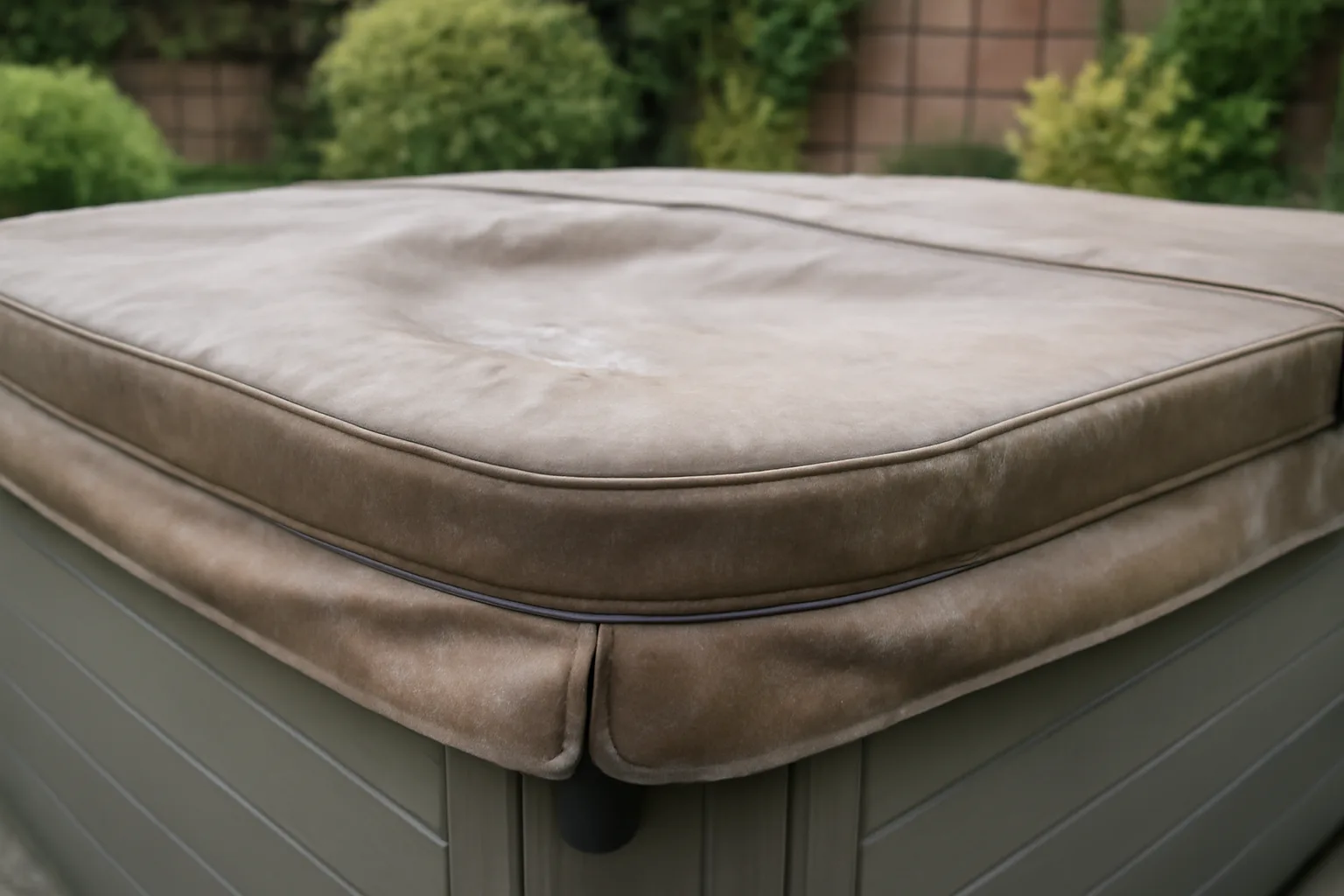
The cover is normally the first expensive item to look tired. A good insulated replacement cover is often around £300-£600 in the UK, depending on size, skirt depth, hinge style and taper. Cheap covers can fit badly, soak up water and lose heat, so I would not buy the thinnest one for a tub used through winter.
Pillows and headrests can look rough after three to five years because warm sanitised water, sunlight and body oils are harsh on soft vinyl. Replacement pillows might be £20-£70 each. Filters are routine consumables: common cartridges often sit around £8-£25 each, while branded or larger filters can cost more.
Those small parts do not decide the whole tub’s future, but they tell you how it has been treated. A tub with a collapsed cover, crusted filters and split pillows often has worse problems hiding in the equipment bay.
Pumps, heaters and control packs
Pumps and heaters do the hard work. They cycle water, push jets, maintain temperature and punish any neglect in water balance. Scale, blocked filters and low water flow make them work harder.
Typical UK replacement ranges look like this:
- Circulation pump: about £120-£300 for the part, plus labour.
- Jet pump: about £180-£450 for the part, sometimes more on larger tubs.
- Heater element: about £80-£180 for the part.
- Control panel or topside: about £150-£400 depending on brand.
- Main control pack: often £350-£800 before fitting.
Those figures are why a 12-year-old tub needs a clear head. A single pump is normal ownership. A pump, heater, control pack and cover in the same year is a replacement conversation.
Shell, frame and plumbing
The shell, frame and plumbing are the expensive heart of the tub. A small plumbing leak near a pump union is manageable. A cracked shell, rotten timber frame or buried leak inside foamed insulation is much more serious.
When we looked at second-hand tubs, the best ones had dry equipment bays, clean unions, no staining under the shell and a cover that still sat flat. The worst looked fine in photos but had damp timber, rusty screws and a faint chemical smell around the cabinet. That smell matters. It can mean old leaks, mouldy insulation or water sitting where it should not.
Our hot tub leak repair guide goes deeper on fault finding, but the lifespan point is simple: leaks near accessible fittings are repair issues; leaks buried inside rotten insulation can be end-of-life issues.
What Shortens a Hot Tub’s Life
Most early failures come from boring causes: bad water care, poor winter habits, weak bases and ignored warning signs. None of that is glamorous, but it is where lifespan is won.
Poor water balance
Bad water balance damages more than the water. Low pH can attack metal parts, seals and heater elements. High pH and hard water encourage scale, which reduces heater efficiency and restricts flow. Dirty filters make pumps work harder.
The Health and Safety Executive’s spa-pool guidance is written for managed settings, but the principles still matter at home: hot water systems need controlled water quality, cleaning and sensible operating routines because warm aerated water is a higher-risk environment than a cold paddling pool. If you want the formal reference, HSE’s spa-pool systems guidance is the relevant UK document.
At home, you do not need to run a leisure centre regime, but you do need consistency. Test strips cost about £8-£15 a tub, digital testers start around £30-£60, and a basic chlorine or bromine starter kit is often £25-£60. Skipping that to save money is false economy.
Bad siting and weak bases
A tub needs a flat, supported base. Paving slabs can work if properly laid, but wobbly slabs, soft ground and old decking are trouble. A full hot tub can weigh well over 1,000kg once water and people are included, and movement stresses plumbing joints and shell supports.
If you are not sure your deck is suitable, read our deck support guide before guessing. The damage from a poor base can look like random leaks or cabinet movement years later.
Weather exposure matters too. A tub jammed under dripping trees gets more debris. A tub in a windy corner loses more heat. A tub with no access around the sides costs more to service because the engineer cannot reach the panel easily.
Winter neglect
UK winter is not brutal by Canadian standards, but repeated freezing, rain and wind still find weak spots. The worst pattern is half-using a tub through winter: the owner stops testing water properly, leaves the cover waterlogged, lets filters clog and assumes the heater will deal with everything.
If you are shutting the tub down for months, winterise it properly. Our winterising guide covers the steps, but the key is removing water from pipework rather than just draining the shell. Water trapped in plumbing can freeze, expand and crack fittings.
Repair or Replace: The Sensible Cost Test
Repairing an older hot tub is sensible when the shell is sound, parts are available and the next repair buys several more years. Replacing is sensible when structural issues, repeated faults and poor efficiency start stacking up.
When repair is worth it
I would usually repair if the tub is under 10 years old, from a known brand, has a dry frame and only needs one major part. A £300-£600 repair on a tub that would cost £6,000-£10,000 to replace is not scary if the rest of it is healthy.
Servicing prices vary by region, but many UK companies price a basic service around £150-£250, with deeper drain-down services higher. Outdoor Living’s hot tub servicing page is a useful benchmark because it shows the kind of maintenance work a dealer service covers, not just a vague call-out.
Good repair candidates usually have:
- A dry equipment bay: no standing water, swelling or mouldy insulation.
- A flat cover: not heavy, sagging or waterlogged.
- Available parts: pumps, topsides and filters can still be sourced.
- Stable water care: no constant cloudy water or scale build-up.
- Known history: receipts, manuals and service notes exist.
One repair is normal. A pattern of mystery faults is different.
When replacement is the better call
Replacement starts to look sensible when repairs approach 30-40% of the tub’s realistic value. Not the original price. The current value. A 14-year-old tub that needs a £700 control pack, £450 cover and £300 pump is not a £7,000 asset any more.
The red flags are:
- Cracked shell or delamination: shell repairs can be awkward and cosmetic results vary.
- Rotten frame: especially on timber-framed older tubs.
- Buried leaks: leaks inside foam insulation can mean expensive labour.
- Obsolete electronics: no compatible control pack or topside available.
- Waterlogged cover plus high bills: heat loss becomes part of the repair bill.
If the tub is already expensive to run, compare repair spending with modern insulation. Our hot tub energy ratings guide is useful here because an old tub with a tired cover can quietly cost more every month.
The cover decision is often the giveaway
A cover is the most common borderline decision. If the tub is otherwise healthy, spend the £300-£600 on a proper replacement. If the tub also needs a pump, leaks at the cabinet and has faded controls, the cover may be the point where you stop.
Happy Hot Tubs’ replacement hot tub cover range gives a realistic sense of UK cover pricing and options. The important details are thickness, taper, hinge reinforcement and whether the measurements match your tub. A cheap, loose cover can undo the savings through heat loss.
How to Make a Hot Tub Last Longer
The boring maintenance habits are the ones that work. You do not need to fuss over the tub every day, but you do need a rhythm.
Weekly habits
Set a weekly routine and keep it short enough that you will do it:
- Test sanitiser, pH and alkalinity.
- Rinse filters with a hose.
- Check the water line and wipe oils from the shell.
- Lift the cover and look for sagging, heavy foam or split vinyl.
- Listen for new pump noises.
- Check the equipment bay for damp patches.
That is ten minutes when everything is healthy. It saves the miserable version where you discover a noisy pump and cloudy water the evening before friends come round.
Monthly and seasonal habits
Filters need proper soaking, not just a rinse. Most owners should deep-clean them monthly and replace them when the pleats stay grey, frayed or blocked. Depending on the model, expect a pair of filters to cost roughly £15-£50.
Every few months, drain and refill according to usage. Heavy family use with sun cream, body oils and children jumping in and out needs more frequent changes than two adults using it once a week. Our weekly and monthly water care schedule gives a sensible routine.
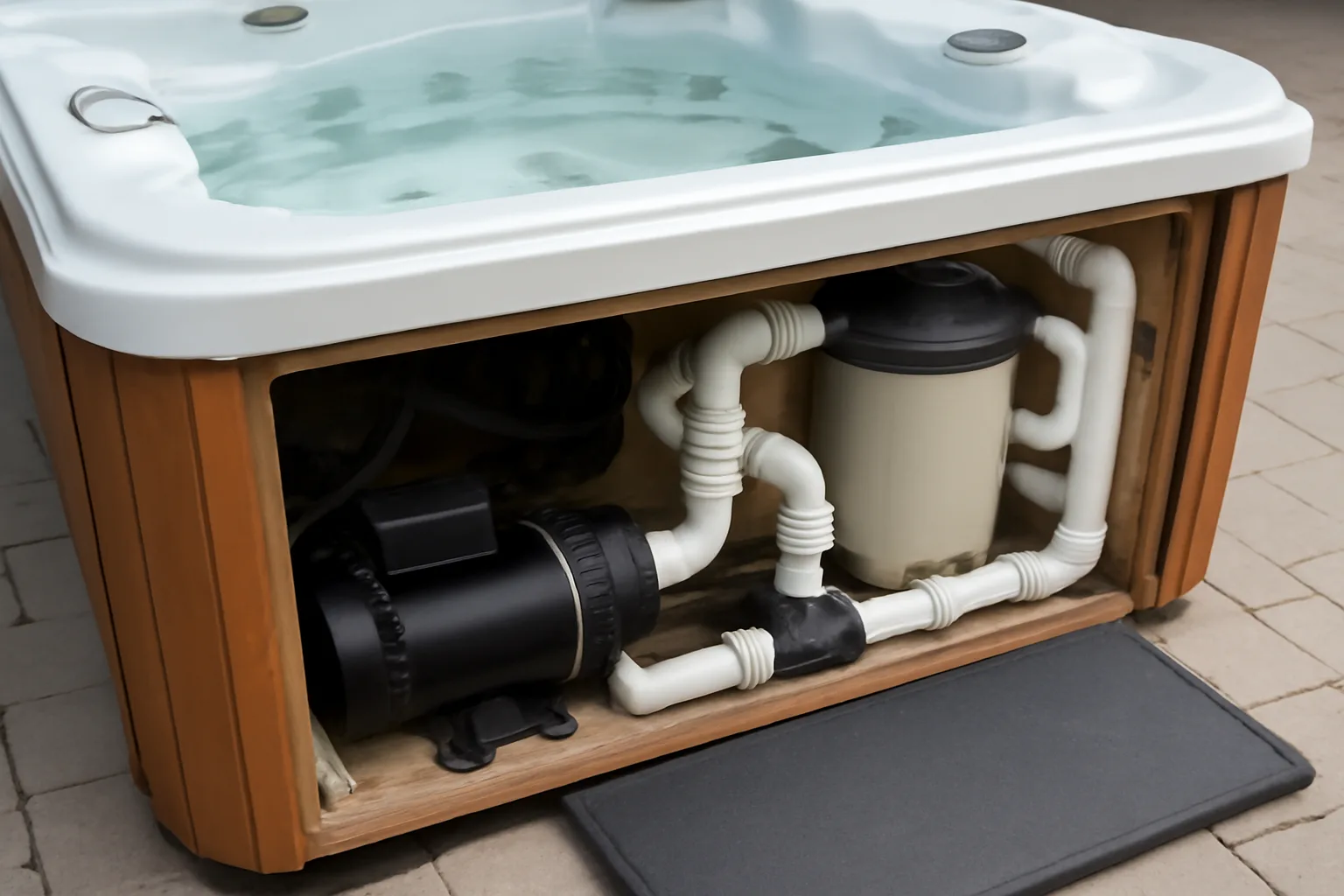
Once or twice a year, open the equipment side and look properly. You are checking for drips, cracked unions, gnawed foam, rusty fixings and signs the cabinet is holding moisture. Catching a slow drip early can be the difference between a £20 seal and a rotten frame.
Spend money where it protects the tub
The best lifespan spending is not fancy accessories. It is a good cover, clean filters, water testing, and a proper base.
My order of priority would be:
- Good insulated cover: usually the biggest heat and weather-protection upgrade.
- Spare filters: so one set can dry properly while the other is in use.
- Reliable test kit: strips are fine if fresh; a digital meter is useful for fussy water.
- Cover lifter: about £120-£250, but it stops people dragging and damaging the cover.
- Annual service: useful for older tubs or tubs used through winter.
The accessories that look nice in a showroom rarely extend the tub’s life. A cover lifter might. A floating drinks tray probably will not.
What to Check Before Buying Used
A used hot tub can be good value, but you are buying condition, not just age. A seven-year-old tub with receipts and a dry equipment bay can be a better buy than a three-year-old tub that has been neglected outside with a waterlogged cover.
Ask for evidence before travelling
Before viewing, ask for:
- A photo of the data plate or model label: so you can check parts availability.
- A video of the tub running hot: not just empty and clean.
- Photos inside the equipment bay: dry, clear, well-lit shots.
- Recent water-care or service receipts: proof beats reassurance.
- Reason for sale: house move is different from “we never use it” after years of neglect.
If the seller cannot show it running at temperature, price it as a risk. Moving a hot tub is not cheap either. Professional relocation often costs several hundred pounds depending on access, crane needs and distance. Our hot tub delivery guide explains why awkward access changes the bill fast.
View it like an appliance
Do not get distracted by clean water and blue lights. Look underneath the glamour.
Check the cover first. Is it heavy, sagging or split? Then check the cabinet. Are panels swollen or loose? Open the service panel. Is the floor dry? Are there drip marks, rust or bodged repairs? Run every jet, button and light. Listen for grinding pumps.
Then ask yourself the repair question. If the tub costs £1,500 used but needs a £450 cover, £250 service, £200 filters and unknown moving costs, it may not be cheap. It may just be deferred spending with bubbles.
The final answer
So, how long hot tubs last comes down to construction and care. Inflatable tubs are short-life fun. Plug-and-play tubs can give a decade if treated well. A good hard-shell spa can last 15 years or more, but only if the cover, water, base and equipment are looked after.
If the shell is sound and parts are available, repair the normal wear items. If the shell, frame, plumbing and electronics are all starting to complain, stop feeding it money and put the repair budget towards the next tub.
Frequently Asked Questions
How long do inflatable hot tubs last? Most inflatable hot tubs last 2-5 years in UK use. You may get longer if it is stored dry, protected from frost and not dragged across paving, but liners and pump units are the usual weak points.
How long do hard-shell hot tubs last? A decent acrylic hard-shell hot tub often lasts 10-15 years, with premium models reaching 20 years if the shell, frame and plumbing stay sound. Pumps, covers and heaters usually need replacing during that time.
Is it worth repairing a 10-year-old hot tub? Yes, if the shell is sound, parts are available and it only needs one major repair. If it needs a pump, cover, heater and control pack at the same time, replacement may be the better spend.
What is the most expensive hot tub part to replace? Control packs, multiple jet pumps, major leak repairs and custom covers can be expensive. A single pump might be a few hundred pounds fitted, while combined electrical and plumbing faults can climb much higher.
Do hot tub covers affect lifespan? Yes. A good cover protects heat, water quality and the shell area. A heavy, sagging or waterlogged cover lets heat escape and can push running costs up, especially through UK winter.
Can a hot tub last 20 years? Some premium hard-shell hot tubs can last around 20 years, but only with good water care, a solid base, replacement covers and serviceable parts. It is not realistic for most inflatable tubs.