If you live in a hard water area — and roughly 60% of the UK does — your hot tub is fighting a constant battle against calcium. That white crusty buildup around the waterline, the scale on your heater element, and the cloudy haze that appears despite perfect chlorine levels? That’s hard water doing its thing. Understanding water hardness and managing it properly is the difference between a hot tub that runs efficiently for years and one that needs expensive heater replacements every 18 months.
Here’s what water hardness actually means for your hot tub, how to test it, and what to do about it in both hard and soft water areas. For wider safety context, NHS exercise and wellbeing guidance is a useful reference. For wider safety context, Pool Water Treatment Advisory Group is a useful reference.
In This Article
- What Is Water Hardness
- Why It Matters for Hot Tubs
- Testing Your Water Hardness
- The Ideal Range for Hot Tubs
- How to Reduce High Calcium Hardness
- How to Increase Low Calcium Hardness
- Hard Water Areas in the UK
- Preventing Scale Buildup
- Frequently Asked Questions
What Is Water Hardness
The Chemistry
Water hardness measures the concentration of dissolved calcium and magnesium minerals. When rainwater passes through limestone, chalk, and other mineral-rich rock (common in south-east England, the Midlands, and East Anglia), it absorbs calcium carbonate and becomes “hard.” Water that passes through granite, sandstone, or peat (Scotland, Wales, the South West, the North) absorbs fewer minerals and stays “soft.”
In hot tub terms, we care specifically about calcium hardness — the calcium component of total hardness. Magnesium matters less for hot tubs because it’s less prone to forming scale at hot tub temperatures.
How It’s Measured
Calcium hardness is measured in parts per million (ppm) or milligrams per litre (mg/L) — the numbers are the same. UK water hardness is also sometimes expressed in degrees Clark (°Clark) or German degrees (°dH), but ppm is the standard for hot tub chemistry.
- Soft water: 0–60 ppm
- Moderately soft: 60–120 ppm
- Moderately hard: 120–180 ppm
- Hard: 180–250 ppm
- Very hard: 250+ ppm
Why It Matters for Hot Tubs
Scale Formation (Too Hard)
When water above 250 ppm calcium hardness is heated to 37–40°C (standard hot tub temperature), the calcium precipitates out of solution and deposits as scale. Scale forms on the heater element first (because it’s the hottest surface), then on pipes, jets, and the waterline.
Scale on the heater acts as insulation — the element has to work harder to heat the water, increasing energy costs by 10–25%. Severe scale can eventually kill the heater entirely, and replacement costs £150–400 depending on the hot tub brand. Our energy cost guide covers how efficiency losses add up.
Corrosion (Too Soft)
Water below 100 ppm calcium hardness is aggressive — it actively seeks minerals to dissolve. In a hot tub, that means it attacks the heater element, metal fittings, pump seals, and any exposed metal components. Corrosion damage is slower than scale damage but more expensive to fix because it affects multiple components simultaneously.
Soft water areas (Scotland, Lake District, Devon, Cornwall) need calcium added to the hot tub to protect equipment. This feels counterintuitive — adding minerals to prevent damage — but it’s standard practice and the cost is minimal.
Water Clarity
Both extremes affect clarity. Hard water produces a milky or cloudy appearance as suspended calcium particles scatter light. Soft water can foam excessively because there are no minerals to inhibit bubble formation. The ideal range produces clear, stable water that your sanitiser system can maintain efficiently.
Testing Your Water Hardness
Test Strips
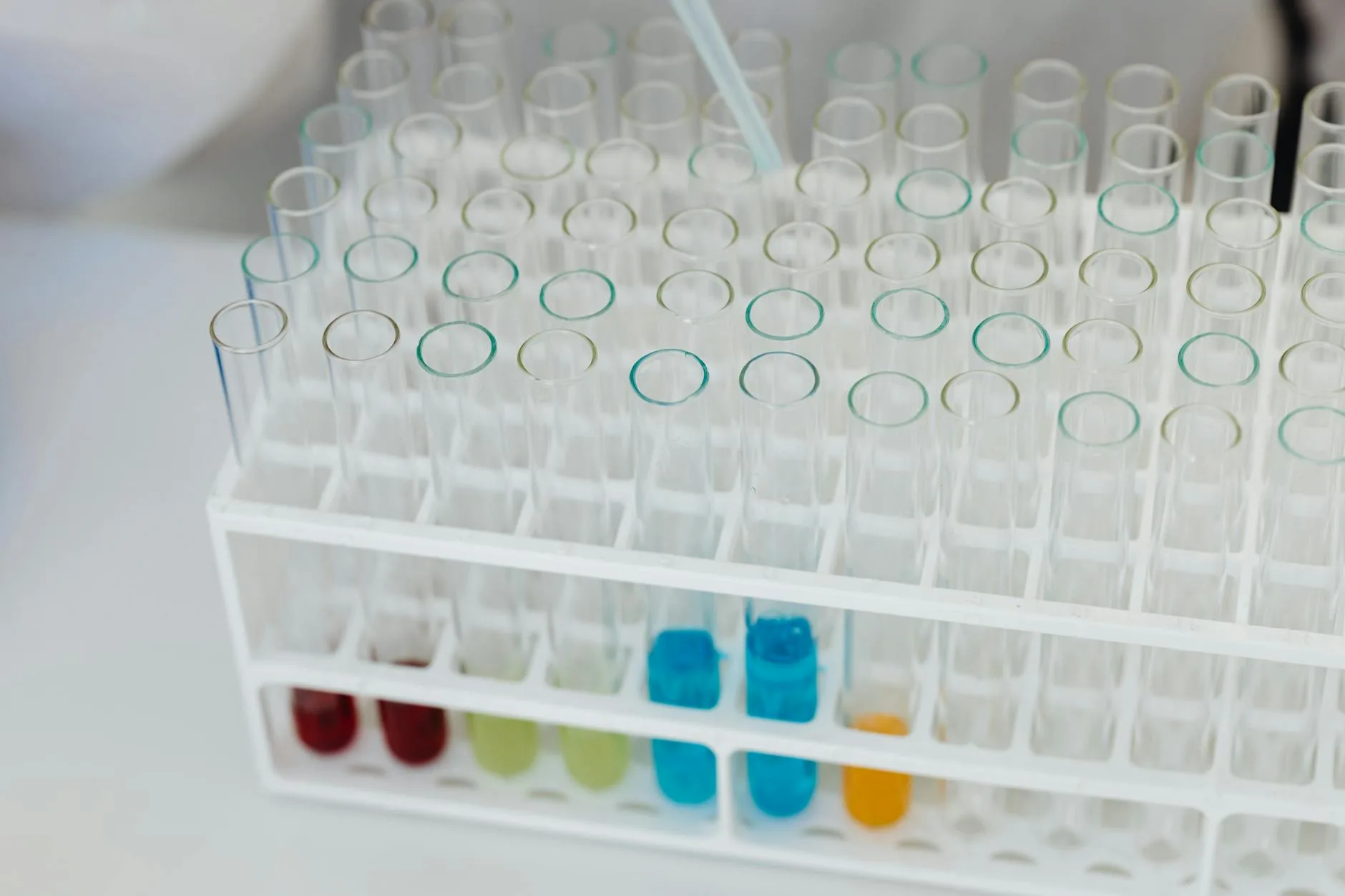
The quickest method — dip a test strip in the water for 2 seconds, remove, wait 15 seconds, and match the colour pad to the chart. Accuracy is about ±25 ppm, which is adequate for hot tub management. Most hot tub test strips include calcium hardness alongside pH, alkalinity, and sanitiser levels.
Liquid Test Kits
More accurate (±10 ppm) but slower. Add reagent drops to a water sample and count the drops until the colour changes. The number of drops multiplied by a factor (stated on the bottle) gives the ppm reading. Worth using if your test strips consistently show borderline readings.
Your Water Supplier
Check your water company’s website — they publish annual water quality data including hardness for your postcode. This tells you the starting point before you fill the hot tub. Useful for planning but not a substitute for testing the actual tub water, which changes over time as chemicals and evaporation concentrate the minerals.
For a full testing routine, our chemicals beginner’s guide covers the complete water testing schedule.
The Ideal Range for Hot Tubs
Target: 150–250 ppm
This range keeps water balanced — enough calcium to prevent corrosion, not enough to cause scaling at hot tub temperatures. Within this range, the water is stable, clear, and gentle on equipment.
Where It Fits in Overall Balance
Calcium hardness works alongside pH and total alkalinity to determine the Langelier Saturation Index (LSI) — a calculation that predicts whether water will scale or corrode. You don’t need to calculate LSI manually (apps do it), but understanding that hardness, pH, and alkalinity are interconnected helps explain why adjusting one sometimes requires adjusting another.
- pH too high + calcium too high = aggressive scaling
- pH too low + calcium too low = aggressive corrosion
- Both in range = balanced, stable water
Our pH guide covers the pH side of this equation.
How to Reduce High Calcium Hardness
The Honest Answer: You Can’t Easily
Unlike pH or alkalinity, you can’t add a chemical to remove calcium from water. Once dissolved calcium is in the water, the main options are:
Partial Drain and Refill
Drain 25–50% of the tub water and refill with fresh water. If your tap water is 300 ppm and you drain half and refill, you’ve roughly halved the excess. This works if your tap water isn’t excessively hard.
Pre-Filter on the Hose
A hose-end filter (about £20–30 — brands like SpaPure and CuZn) removes some calcium and metals from the water as you fill. These filters reduce hardness by 30–60% depending on the starting level. They don’t last forever — each cartridge handles about 500–1,000 gallons before needing replacement.
Stain and Scale Preventer
Products like “No Scale” or “Stain Away” don’t reduce calcium concentration — they sequester it (bind it in solution so it can’t deposit as scale). You add the product weekly and it keeps calcium suspended rather than precipitating onto surfaces. This is the most practical ongoing solution for hard water areas where constant draining isn’t viable.
Water Softener for the House
If your whole house has a water softener, the softened water going into your hot tub will have much lower calcium. However, softened water is often too soft (below 50 ppm) and you’ll need to add calcium hardness increaser to bring it into range. Softened water also has elevated sodium, which can affect other water balance parameters.
How to Increase Low Calcium Hardness
Calcium Hardness Increaser
Calcium chloride (sold as “Calcium Hardness Increaser” or “Calcium Plus” by hot tub chemical brands) dissolves quickly and raises hardness predictably. Add it in small doses (about 15g per 1,000 litres raises hardness by roughly 10 ppm), test after 2 hours, and add more if needed.
Pre-dissolve the calcium chloride in a bucket of warm water before adding to the tub — dumping dry granules directly onto the shell can cause temporary localised damage to some surfaces. Pour the dissolved solution near a jet with circulation running.
How Much to Add
The calculation: to raise 1,000 litres by 10 ppm, add approximately 15g of calcium chloride. A typical hot tub holds 1,000–1,500 litres. The exact dosage depends on the product concentration — check the label.
Example: your tub holds 1,200 litres and tests at 80 ppm. You want 175 ppm (a 95 ppm increase). That’s roughly 95 ÷ 10 × 15g × 1.2 = about 170g of calcium chloride. Add in two doses of 85g, testing between each.
Hard Water Areas in the UK
Very Hard (250+ ppm)
London and the South East, East Anglia, most of the Midlands, Lincolnshire, Kent, Surrey, Buckinghamshire, Oxfordshire. If you’re in these areas, scale prevention is a permanent part of your hot tub routine.
Hard (180–250 ppm)
Parts of Yorkshire, Derbyshire, Northamptonshire, Gloucestershire. Scale is possible but manageable with regular maintenance.
Moderately Soft to Soft (below 150 ppm)
Scotland, Wales, Devon, Cornwall, Cumbria, the Lake District, Northumberland. You’ll likely need to add calcium hardness increaser when you fill the tub.
Check Yours
Your water company’s website has a postcode lookup for hardness data. Alternatively, fill a glass from the tap and test with a hardness test strip — the same ones you use for the hot tub.

Preventing Scale Buildup
Regular Testing
Test calcium hardness every 2 weeks (weekly if you’re in a very hard area). The level drifts upward over time as water evaporates and you top up with hard tap water — each top-up adds more calcium without removing any.
Regular Water Changes
Drain and refill the tub completely every 3–4 months. This resets the calcium level to your tap water baseline. In hard water areas, this is the single most effective scale prevention strategy. When refilling, use a hose pre-filter for an even lower starting point.
Maintain Balanced pH
Calcium is far more likely to precipitate as scale when pH is above 7.6. Keeping pH in the 7.2–7.6 range — the standard recommendation for hot tubs — reduces scale formation at any hardness level. Our guide to fixing cloudy water covers pH and clarity interactions.
Scale Inhibitor Products
Weekly addition of a sequestering agent keeps calcium in solution even at higher concentrations. This doesn’t fix the underlying hardness but prevents the visible consequences (scale, cloudy water). It’s the practical compromise for hard water areas between full drains.
Clean the Waterline
Scale deposits start at the waterline where water meets air. Wipe the waterline weekly with a non-abrasive cloth and hot tub surface cleaner. Removing fresh deposits is easy; removing baked-on scale requires acidic cleaners and more effort. Prevention is simpler than cure. A soft microfibre cloth works best — avoid abrasive pads that can scratch the acrylic surface and create microscopic grooves where future scale clings more stubbornly.
For inflatable hot tubs, scale is less of a structural concern (fewer metal components) but still affects the heater and water clarity. The same testing and treatment principles apply — our inflatable hot tub guide covers maintenance specifics for inflatable models.
The chemical glossary explains the products mentioned here in plain English, and our chemicals starter kit guide includes a scale preventer in the recommended first purchase.
The Relationship Between Hardness and Other Chemicals
Alkalinity and Hardness
Total alkalinity acts as a buffer for pH — but it also affects how calcium behaves in solution. High alkalinity combined with high calcium hardness creates aggressive scaling conditions even at normal pH. If you’re adjusting alkalinity and hardness simultaneously, adjust alkalinity first (it’s easier to fine-tune) and then address hardness.
Sanitiser Interaction
Calcium hardness doesn’t directly affect chlorine or bromine performance, but the conditions that cause scaling (high pH, high temperature, high calcium) also reduce sanitiser efficiency. A well-balanced tub with calcium in range runs more efficiently on less sanitiser — saving money on chemicals over time. For salt water systems, maintaining proper calcium hardness is especially important because the salt cell is sensitive to scale buildup.
Temperature Factor
Higher water temperatures cause calcium to precipitate faster. If you run your tub at 40°C rather than 37°C, your scale threshold is lower — water that’s fine at 37°C may scale at 40°C. If you prefer a hotter soak, keep calcium hardness toward the lower end of the ideal range (150–200 ppm rather than 200–250 ppm) to compensate.
Frequently Asked Questions
What happens if I ignore water hardness? In hard water areas, scale builds up on the heater, reducing efficiency and eventually causing failure (£150–400 to replace). In soft water areas, the water corrodes metal components, damaging the heater, pump seals, and fittings. Both extremes cost more to fix than the testing and treatment needed to prevent them.
Can I use a water softener to fill my hot tub? Yes, but softened water is often too soft and high in sodium. You’ll likely need to add calcium hardness increaser to bring it into the 150–250 ppm range. Test after filling and adjust before heating.
How often should I test calcium hardness? Every 2 weeks for most hot tub owners. Weekly if you’re in a very hard water area or if you’ve recently adjusted other water balance parameters. Always test after a partial or full drain and refill.
Does calcium hardness change on its own? It drifts upward over time as water evaporates (leaving minerals behind) and you top up with mineral-containing tap water. It doesn’t decrease without water removal. Regular draining and refilling resets the level.
Is calcium hardness the same as total hardness? No — total hardness includes both calcium and magnesium. For hot tubs, calcium hardness is the relevant measurement because calcium is the mineral that causes scale at hot tub temperatures. Most hot tub test strips measure calcium hardness specifically.