You’ve just had your hot tub delivered, the electrician has signed off the wiring, and now you’re staring at an empty shell wondering what on earth you need to put in the water before anyone gets in. The sheer number of bottles, tablets, and test kits on sale is overwhelming — and getting it wrong means cloudy water, skin irritation, or worse. For related guidance, see our Best Inflatable Hot Tubs 2026: UK Garden Tested guide. For related guidance, see our How to Choose a Hot Tub: The Complete UK Buyer’s Guide guide.
In This Article
- Why You Need a Chemicals Starter Kit
- What Should Be in a Hot Tub Chemicals Starter Kit
- Best Overall: Clearwater Hot Tub Chemical Starter Kit
- Best for Chlorine Users: Relax Chlorine Starter Kit
- Best Bromine Kit: AquaSparkle Bromine Starter Pack
- Best Budget Option: Clearwater Lay-Z-Spa Starter Kit
- Best Premium Kit: Hot Tub Suppliers Complete Chemical Bundle
- Chlorine vs Bromine: Which Sanitiser Should You Choose
- How to Use Your Starter Kit: First Fill Guide
- How Often to Test and Dose Your Hot Tub
- Common Mistakes New Hot Tub Owners Make with Chemicals
- What to Buy Separately
- Frequently Asked Questions
Why You Need a Chemicals Starter Kit
Filling your hot tub with tap water and jumping in sounds simple, but untreated water at 37-38°C is a breeding ground for bacteria. The warm, moist environment is exactly what organisms like Legionella and Pseudomonas love, and without proper sanitisation you’re essentially sitting in a petri dish. The HSE has clear guidance on managing Legionella risk in hot tubs and spas — it’s not something to take lightly.
A starter kit takes the guesswork out of that first fill. Instead of buying fifteen individual bottles from three different websites and hoping they work together, a kit gives you everything you need to get the water balanced and safe in one go.
What a Good Kit Saves You
- Time — no researching which chemicals are compatible or which brand works with your tub
- Money — individual bottles cost more separately, and kits often include test strips you’d otherwise buy on their own
- Mistakes — the instructions are written for the kit as a whole, so you’re not guessing dosages
After six months of running our tub, we’ve found that people who start with a proper kit have far fewer water problems in the first month than those who piece together chemicals from different ranges.
What Should Be in a Hot Tub Chemicals Starter Kit
Not all starter kits are equal. Some skimp on essential components and leave you buying extras within a week. Here’s what a complete kit should include:
Sanitiser (Chlorine or Bromine)
This is the backbone of your water care. You need either chlorine granules or bromine tablets — never both. Chlorine works faster and is cheaper. Bromine is gentler on skin and more stable at higher temperatures, which makes it popular for hot tubs specifically.
pH Increaser and Decreaser
UK tap water pH varies hugely depending on where you live. In the south, it tends to be alkaline (pH 7.5-8.5). In Scotland and Wales, it’s often acidic. You need both pH Plus and pH Minus to bring the water into the ideal 7.2-7.6 range.
Total Alkalinity Increaser
Alkalinity acts as a buffer for pH — without it in the right range (80-120 ppm), your pH will bounce around every time you add anything to the water. Most kits include alkalinity increaser, but not all.
Non-Chlorine Shock (Oxidiser)
Shock treatment breaks down organic contaminants that sanitiser alone can’t handle — body oils, dead skin, cosmetics, and the film that sunscreen leaves behind. You should shock after every heavy use and at least once a week regardless.
Test Strips
You cannot dose chemicals accurately without testing first. Full stop. Strips that measure chlorine/bromine, pH, and alkalinity are the minimum. Some premium kits include strips that also test calcium hardness and cyanuric acid.
Water Clarifier (Nice to Have)
Not essential on day one, but useful within the first few weeks. Clarifier clumps tiny particles together so your filter can catch them, keeping the water crystal clear rather than slightly hazy.
Best Overall: Clearwater Hot Tub Chemical Starter Kit
Price: about £25-30 from Amazon UK, Argos, or B&Q
The Clearwater kit is the one we recommend to anyone buying their first hot tub. It includes chlorine granules, pH Plus, pH Minus, non-chlorine shock, a foam remover, and 25 test strips. That covers every essential plus a bonus anti-foam treatment that you will use — hot tubs foam more than you’d expect, especially after a few people have been in.
What We Like
- Widely available — you can pick it up from Argos, B&Q, Amazon UK, and most garden centres
- Clear instructions — each bottle has dosage guidance per volume, and there’s a quick-start card in the box
- Price point — under £30 for everything you need is hard to beat
- Compatible with all inflatable and hard-shell tubs up to about 1,500 litres
What Could Be Better
- Only 25 test strips — you’ll burn through these in 2-3 weeks if you test daily (and you should at first)
- No alkalinity increaser — you’ll need to buy this separately if your tap water’s alkalinity is low
- Small bottle sizes — the chlorine granules will last about 3-4 weeks with a typical 800-litre tub
The chlorine granules dissolve fast — we’ve found they clear within about 20 minutes in water at 37°C, which means you’re not waiting ages before getting in.
Best for Chlorine Users: Relax Chlorine Starter Kit
Price: about £35-40 from Hot Tub Suppliers or Amazon UK
If you’ve already decided chlorine is your sanitiser of choice, the Relax kit is a step up from the Clearwater. It includes a larger tub of stabilised chlorine granules (1kg vs the Clearwater’s smaller pouch), pH Plus and Minus, non-chlorine oxidiser, water clarifier, and 50 test strips.
Why Choose This Over Clearwater
- More chlorine — the 1kg tub lasts 6-8 weeks in a typical garden hot tub
- 50 test strips — double the Clearwater kit, which means you’re covered for the first two months
- Includes clarifier — one less thing to buy separately
- Relax is a respected brand in the UK hot tub industry, stocked by most specialist dealers
The Downsides
- About £10 more than the Clearwater kit, and the extra cost is mostly just bigger bottles of the same chemicals
- Still no alkalinity increaser — this seems to be a gap across most starter kits
- Only available from specialist retailers — you won’t find this in B&Q or Argos
We ran the Relax kit on our second tub and the chlorine granules are noticeably finer than Clearwater’s, dissolving in under 10 minutes rather than 20.
Best Bromine Kit: AquaSparkle Bromine Starter Pack
Price: about £40-50 from Hot Tub Barn, Splash & Relax, or Amazon UK
Bromine is the go-to sanitiser for anyone with sensitive skin or who finds the chlorine smell off-putting. The AquaSparkle pack includes bromine tablets, a floating dispenser, pH Plus and Minus, non-chlorine shock, and test strips that measure bromine rather than chlorine.
Why Bromine for Hot Tubs
- More stable at high temperatures — chlorine breaks down faster above 30°C, bromine doesn’t
- Less smell — bromine has a much milder odour than chlorine, which matters when the tub is right outside your back door
- Gentler on skin and eyes — people with eczema or contact lens wearers often prefer bromine
- Longer lasting — bromine reactivates when you shock the water, so you use less sanitiser overall
What’s in the Box
- Bromine tablets (500g) — go into the floating dispenser and dissolve slowly over 3-5 days
- Floating dispenser — adjustable vents let you control the dissolution rate
- pH Plus and Minus — same function as in chlorine kits
- Non-chlorine shock — works with bromine just as well as chlorine; you still need to oxidise
- Bromine test strips (25) — the colour scale is different from chlorine strips, so don’t mix them up
The Catch
Bromine tablets take longer to build up an effective residual level when you first fill your tub. Expect 24-48 hours before the bromine level stabilises at 3-5 ppm. With chlorine you’d be there in under an hour. Patience on the first fill pays off though — once established, bromine is lower maintenance week-to-week.
Best Budget Option: Clearwater Lay-Z-Spa Starter Kit
Price: about £15-20 from Argos, Amazon UK, or The Range
If you’ve bought a Lay-Z-Spa or similar inflatable hot tub and want to spend as little as possible getting started, this is the kit. It’s a stripped-back version of the main Clearwater kit: chlorine granules, pH Plus, pH Minus, and 10 test strips.
Who This Suits
- Inflatable tub owners who plan to use the tub seasonally (May to September) rather than year-round
- Budget-conscious buyers who are happy to add individual chemicals later as needed
- Anyone testing the waters (pun intended) who isn’t sure they’ll keep the tub long-term
What’s Missing
- No shock treatment — you’ll need to buy non-chlorine shock separately, and you’ll need it within the first week
- No water clarifier — not critical, but helpful
- Only 10 test strips — barely enough for a week of daily testing
- Tiny chemical quantities — the bottles will run out fast in anything over 700 litres
For the price, it gets you through the first fill and that’s about it. Think of it as a taster pack rather than a complete solution.
Best Premium Kit: Hot Tub Suppliers Complete Chemical Bundle
Price: about £65-80 from hottubsuppliers.co.uk
This is what you’d buy if you want every chemical you’ll need for the first three months in one order. The bundle includes 1kg chlorine granules, 1kg non-chlorine shock, pH Plus (1kg), pH Minus (750g), total alkalinity increaser (1kg), calcium hardness increaser, water clarifier, anti-foam, a pipe cleaner (for flushing the plumbing before first fill), and 100 test strips.
Why Go Premium
- Alkalinity increaser included — the only kit on this list that has it
- Pipe cleaner — essential for new tubs or when refilling, but something most people forget to buy
- 100 test strips — enough for three months of daily testing
- Proper quantities — 1kg tubs mean you’re not running out in three weeks
- Calcium hardness increaser — relevant if you’re in a soft water area (Scotland, Wales, parts of the north)
Is It Worth the Money
If you’re committed to your hot tub for the long haul, this bundle works out cheaper per gram than buying everything individually. The pipe cleaner alone is usually £8-10, and the 100-strip pack is another £8. We think it’s the best value option for anyone with a hard-shell tub they plan to run year-round.
The only downside is availability — it’s exclusively from their website, so no next-day Argos collection if you need it in a hurry.
Chlorine vs Bromine: Which Sanitiser Should You Choose
This is the first decision you’ll make, and it affects which starter kit you buy. Here’s the honest breakdown:
Choose Chlorine If
- You want simplicity — chlorine granules dissolve in minutes and you can adjust levels in real time
- Budget matters — chlorine is roughly 30-40% cheaper per month than bromine
- You use the tub occasionally — chlorine is easier to manage in tubs that aren’t used daily
- You don’t mind the smell — modern stabilised chlorine granules smell far less than pool chlorine, but there’s still a noticeable scent at higher concentrations
Choose Bromine If
- You have sensitive skin — bromine produces fewer irritants than chlorine at effective doses
- You use the tub daily — bromine reactivates when shocked, meaning lower ongoing costs for heavy users
- The tub is near the house — less smell drifting through open windows
- You prefer set-and-forget — bromine tablets in a floating dispenser need adjusting once a week rather than daily dosing
The Cost Difference
Running a 1,000-litre hot tub on chlorine costs roughly £12-18 per month in chemicals. Bromine runs about £18-25. The difference adds up — over a year, chlorine saves about £60-80. But if the reduced smell and skin irritation matter to you, that’s money well spent.
For what it’s worth, we switched from chlorine to bromine after the first six months and haven’t looked back. The setup takes longer but the day-to-day maintenance is actually simpler.
How to Use Your Starter Kit: First Fill Guide
Your tub is filled with fresh water and heated to 37°C. The filter is running. Now what? Follow this order — it matters because each step builds on the last.
Step-by-Step First Fill Process
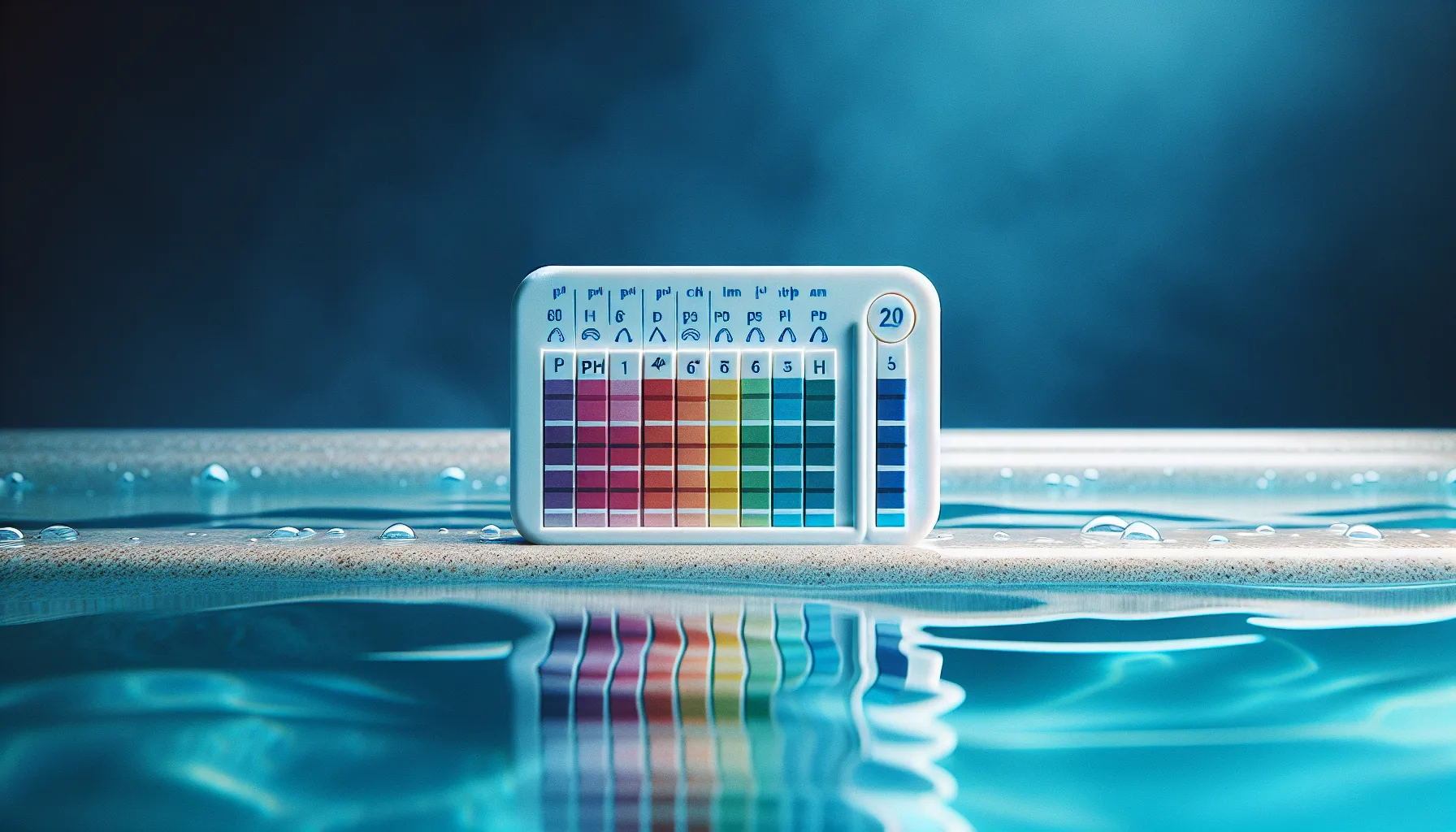
- Test your tap water’s pH and alkalinity using the strips from your kit. Write down the readings — you’ll need a baseline to know how much to adjust.
- Add alkalinity increaser first if your total alkalinity is below 80 ppm. Follow the dosage on the bottle, run the jets for 10 minutes, then retest after 2 hours.
- Adjust pH using pH Plus or pH Minus to bring it into the 7.2-7.6 range. Again, dose according to the instructions, run jets, wait, and retest.
- Add your sanitiser — either chlorine granules sprinkled directly into the water with jets running, or bromine tablets placed in a floating dispenser.
- Run the jets on high for 15 minutes to circulate everything thoroughly.
- Wait 30 minutes (chlorine) or 24-48 hours (bromine) for sanitiser levels to stabilise.
- Test again. You want chlorine at 3-5 ppm or bromine at 3-5 ppm, pH at 7.2-7.6, and alkalinity at 80-120 ppm.
- Add your first dose of non-chlorine shock before anyone gets in. This oxidises any contaminants from the manufacturing process and plumbing.
The whole process takes about 3 hours for chlorine tubs (plus the heating time) or closer to 24 hours for bromine. Don’t rush it — getting the balance right on the first fill makes ongoing maintenance much easier.
How Often to Test and Dose Your Hot Tub
New hot tub owners are often surprised by how much attention the water needs in the first month. Here’s a realistic schedule:
First Two Weeks
- Test daily — pH, sanitiser level, and alkalinity
- Dose sanitiser before and after each use
- Shock after every bathing session with 3+ people, or at least every other day
- Check the filter every 3-4 days — it’ll be working hard as the water settles
Weeks 3-8
- Test every 2-3 days — you’ll start to learn how your water behaves
- Dose sanitiser 2-3 times per week, plus before heavy use
- Shock weekly and after parties or lots of bathers
- Rinse the filter weekly with a hose
Month 3 Onwards
- Test twice a week — water chemistry becomes predictable once you know your tub
- Top up sanitiser as needed based on test results
- Shock weekly as routine
- Deep clean the filter monthly with a proper filter cleaning solution
One thing nobody tells you: the water chemistry changes with the seasons. Summer means more sunscreen, more frequent use, and faster chlorine burn-off. Winter means less use but more debris from covers and wind. You’ll adjust naturally after a few months.
Common Mistakes New Hot Tub Owners Make with Chemicals
We’ve seen these play out dozens of times in hot tub owner forums, and we made a few of them ourselves:
Adding Chemicals Without Testing First
This is the big one. Throwing in “a scoop of chlorine” because it’s been a few days, without checking the current level, is how you end up with eye-stinging water at 10+ ppm. Always test, then dose.
Ignoring Alkalinity
pH gets all the attention, but alkalinity is the foundation. If your alkalinity is out of range, your pH will swing wildly every time you add anything — including sanitiser. Fix alkalinity first, always.
Using the Wrong Test Strips
Chlorine and bromine strips are not interchangeable. The colour scales are different, and using chlorine strips on bromine-treated water gives wildly inaccurate readings. Check the label.
Over-Shocking
Non-chlorine shock is gentle compared to superchlorination, but using it every single day is overkill. It can degrade your filter faster and mess with your sanitiser residual. Once or twice a week plus after heavy use is plenty.
Not Rinsing Off Before Getting In
Body oils, deodorant, fake tan, and sunscreen are the biggest chemical killers in a hot tub. A quick rinse before getting in noticeably reduces how fast you burn through sanitiser. Your running costs drop noticeably when everyone rinses first.
If you want to understand the terminology behind all these chemicals, our chemicals glossary breaks down every term in plain English.
What to Buy Separately
No starter kit covers everything for the long term. Here’s what you’ll need within the first few months that isn’t in most kits:
- Filter cleaner spray or soak solution — rinsing the filter with a hose isn’t enough long-term. A monthly chemical soak restores flow rate and extends filter life by months
- A spare filter cartridge — one filter should run about 3-4 months before replacement, but having a spare means you can rotate while one soaks
- Calcium hardness increaser — only included in premium kits, but necessary if you’re in a soft water area (check with your local water company if you’re not sure)
- Anti-foam — included in some kits but not all. Hot tubs foam when body products react with the sanitiser. A few drops sorts it instantly
- A proper test kit with reagent drops — test strips are fine for daily checks, but a liquid reagent kit gives more accurate readings for monthly deep-tests
- Pipe flush — use before every drain and refill (every 3-4 months). Biofilm builds up in the plumbing where you can’t see it
Our guide to hot tub chemicals for beginners covers the ongoing maintenance routine once you’re past the starter kit stage.
Frequently Asked Questions
How long does a hot tub chemicals starter kit last? Most standard kits last 3-6 weeks depending on how often you use the tub and how many people get in. A 1kg chlorine tub in a 1,000-litre hot tub used 3-4 times a week typically lasts about 6-8 weeks. Budget kits with smaller bottles may only cover the first 2-3 weeks.
Can I mix chlorine and bromine in my hot tub? No. Never mix sanitisers. If you want to switch from chlorine to bromine or vice versa, you need to drain the tub completely, flush the plumbing, and start fresh. The two chemicals react badly together and can create toxic gases.
Do I need different chemicals for an inflatable hot tub? The chemicals are the same — chlorine or bromine, pH adjusters, shock. The only difference is dosage, because inflatable tubs are typically smaller (700-900 litres vs 1,200-1,500 for hard-shell). Always dose based on your tub’s actual water volume, not the instructions on the bottle.
How soon after adding chemicals can I get in the hot tub? After adding chlorine granules, wait until the free chlorine level drops below 5 ppm — usually 20-30 minutes with jets running. After shock treatment, wait at least 20 minutes. After adding pH adjuster, wait 15 minutes and retest before getting in. Never get in immediately after dosing.
Are hot tub chemicals safe for children? Properly balanced hot tub water is safe for children. The key word is properly balanced — test before every session when kids are using the tub. Children should be supervised at all times in hot tubs, and the water temperature should be reduced to 35-36°C for younger children. The chemicals themselves should be stored well out of reach.