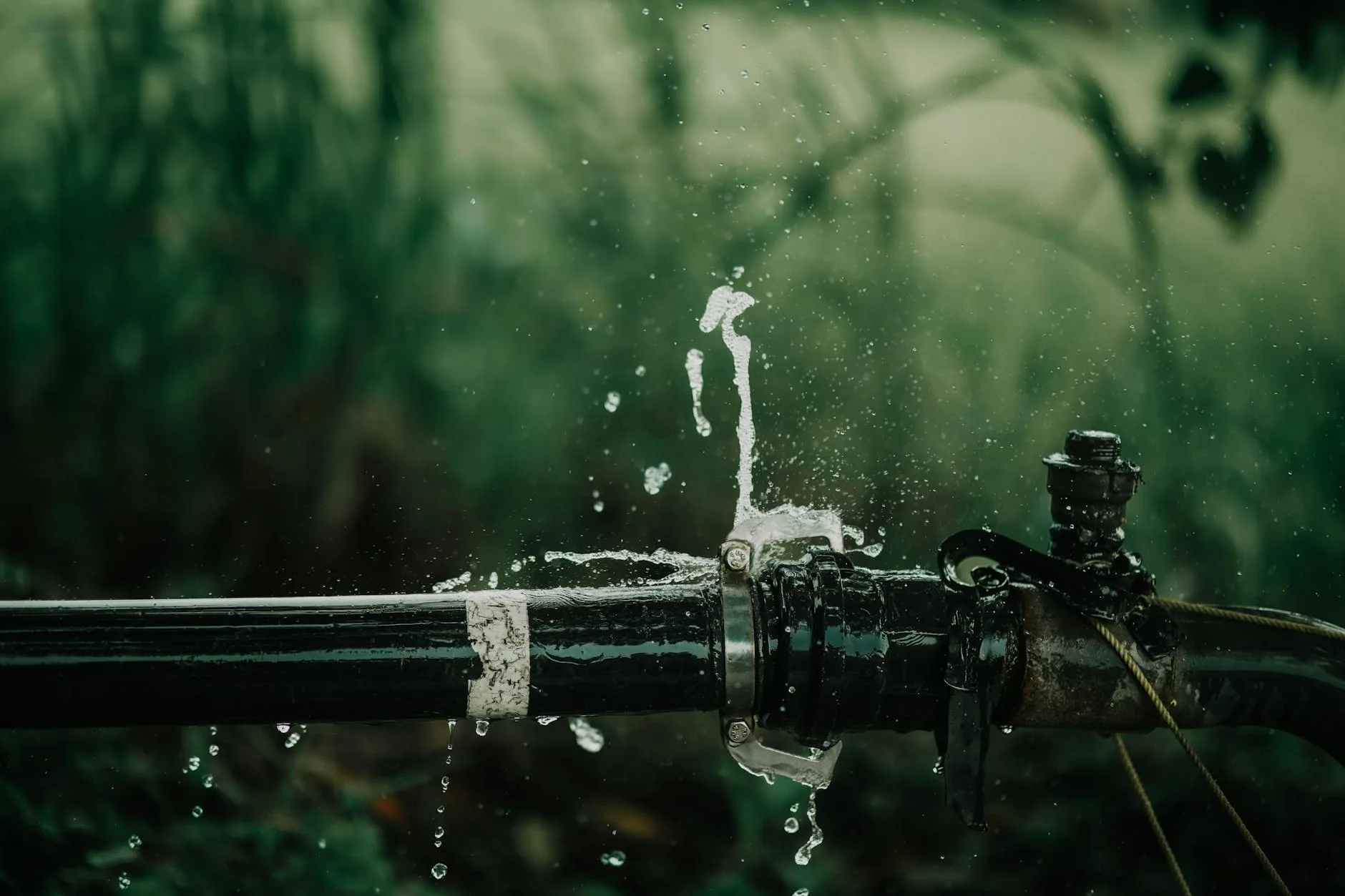
You’re topping up the water for the third time this week, and the ground around the base is permanently damp. There’s no dramatic geyser, no obvious crack — just a slow, persistent drop in water level that wasn’t there last month. Your hot tub has a leak, and ignoring it means higher water bills, wasted chemicals, and potentially serious damage to the cabinet, pump seals, or the base underneath.
The good news: most hot tub leaks are fixable at home without calling an engineer. The bad news: finding where the water is actually escaping from can feel like detective work. This guide walks through the full process — from confirming you actually have a leak (and not just evaporation) to locating it, fixing it, and knowing when to call a professional instead.
In This Article
- Is It Actually a Leak?
- Common Causes of Hot Tub Leaks
- How to Find a Hot Tub Leak
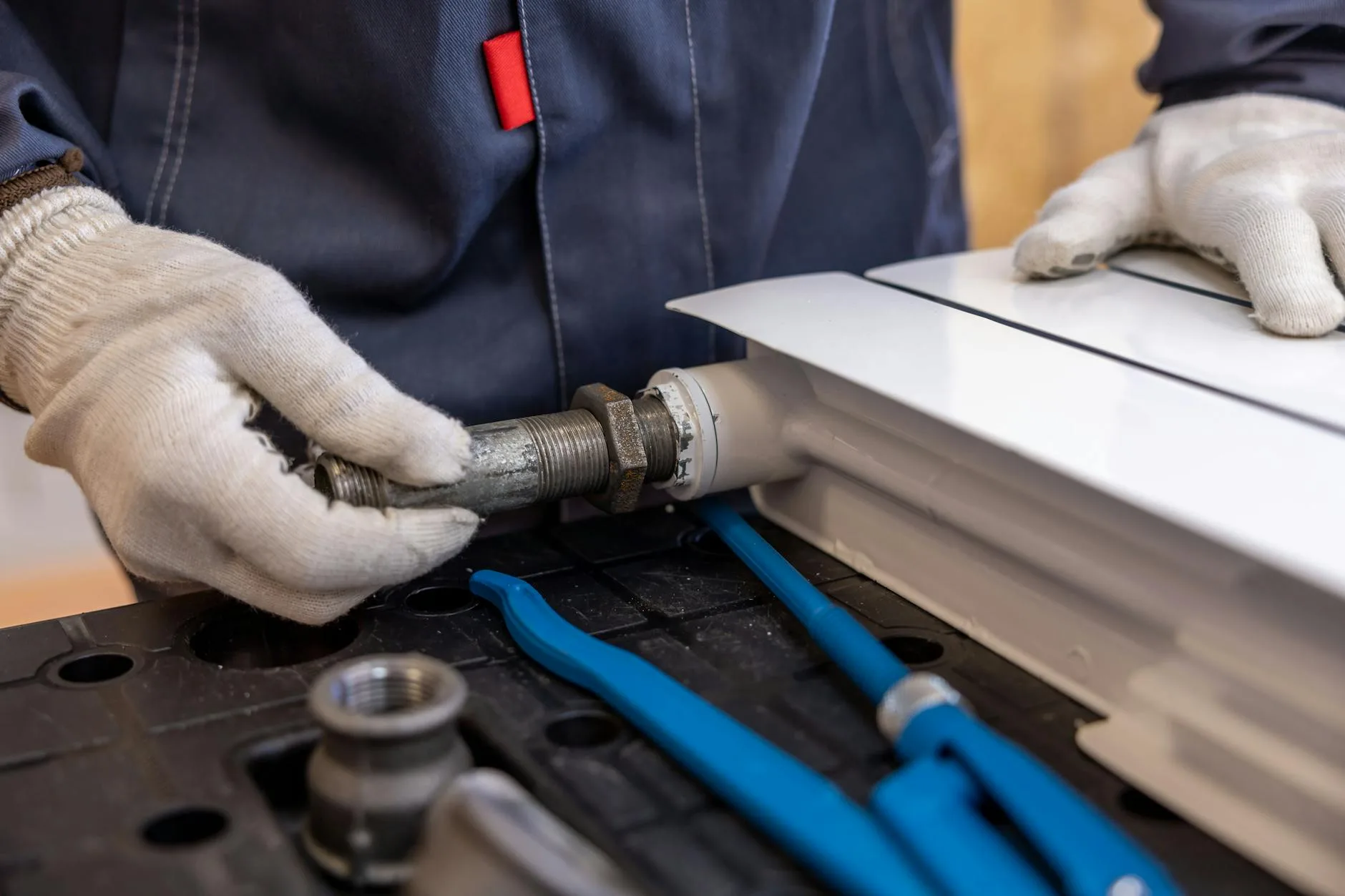
- Fixing Leaks at Pipe Connections
- Fixing Pump and Union Leaks
- Fixing Shell Cracks and Blisters
- Using Leak Sealant Products
- When to Call a Professional
- Preventing Future Leaks
- Tools and Materials You’ll Need
- Frequently Asked Questions
Is It Actually a Leak?
Before pulling panels off and crawling under the tub, rule out the two most common false alarms.
Evaporation
Hot water evaporates. On a cold day with low humidity, a hot tub running at 38°C can lose 2-3 cm of water per week through evaporation alone. That’s normal. If you’re losing more than 3-4 cm per week, or the ground around the tub is wet, you likely have a real leak.
The Bucket Test
This is the definitive test. Fill a bucket with hot tub water and place it on the top step inside the tub, so the bucket water level matches the tub water level. Leave both for 24 hours with the cover on and jets off. After 24 hours:
- If both dropped the same amount — it’s evaporation, not a leak
- If the tub dropped more than the bucket — you have a leak
Run the test a second time with the jets on for a few hours. If the tub drops faster with jets running, the leak is in the plumbing (pipes, unions, pump seals) rather than the shell.
Common Causes of Hot Tub Leaks
Pipe Connections and Fittings
The most common source of leaks — by a wide margin. Hot tubs have dozens of PVC pipe connections, and the constant thermal cycling (heating and cooling) causes joints to expand and contract. Over 3-5 years, glued connections can work loose, and threaded fittings can develop hairline gaps.
Pump Seals
Each pump has shaft seals that prevent water escaping where the motor shaft enters the wet end. These seals wear out over time — typically 5-8 years depending on water chemistry. A leaking pump seal usually shows as a drip directly under the pump body.
Union Fittings
Unions are the threaded connections that join pipes to pumps, heaters, and other components. They’re designed to be hand-tightened and periodically checked. A union that’s worked loose is one of the easiest fixes — half a turn with a wrench often stops the leak.
Shell Damage
Cracks, blisters, or stress fractures in the acrylic shell are less common but more serious. Small cracks can sometimes be repaired with acrylic patch kits. Larger damage — especially near jets or structural areas — may need professional repair or shell replacement.
Jet Bodies
The housings that hold the jet inserts in the shell can develop leaks where they seal against the acrylic. The gasket between the jet body and the shell degrades over time, especially if water chemistry has been poorly maintained. Replacing the gasket (about £3-5 per jet) usually fixes it.
How to Find a Hot Tub Leak
Finding the leak is usually harder than fixing it. Here’s a systematic approach.
Step 1: Visual Inspection
- Remove the side panels (most hot tubs have removable cabinet panels held by screws or clips)
- With the tub filled and the pumps running, look for drips, wet patches, or mineral deposits (white crusty buildup around a fitting means water has been escaping there for a while)
- Check each pump, heater, and union fitting individually
- Use a torch — leaks in tight spaces are hard to spot without direct light
Step 2: The Newspaper Test
If visual inspection doesn’t reveal the source, lay dry newspaper or kitchen roll under the plumbing area. Run the pumps for 30-60 minutes, then check the paper. Wet spots pinpoint the leak area more precisely than staring at pipes.
Step 3: The Food Colouring Test
For shell leaks near jets, add a few drops of dark food colouring (red or blue) near a suspected jet body with the pumps off and the water still. If there’s a leak, the coloured water will be drawn toward the gap and create a visible trail. This works best in clear water — if your water is cloudy, fix that first.
Step 4: Isolate the System
If you can’t find the leak with pumps running, try isolating sections. Close the slice valves (gate valves) on pump 1, then pump 2, then the heater. If the leak stops when a particular circuit is isolated, the leak is in that circuit’s plumbing.
Fixing Leaks at Pipe Connections
Glued PVC Joints
PVC pipes in hot tubs are joined with solvent cement. If a joint has failed:
- Drain the tub below the leak level (you don’t need to drain it completely — just below the affected pipe)
- Dry the joint thoroughly — use a heat gun on low or a hairdryer. The area must be bone dry for adhesive to bond
- If the joint is accessible, cut the pipe on both sides of the failed joint and replace the fitting with new PVC solvent cement and primer
- Let the cement cure for at least 2 hours (ideally overnight) before refilling
Materials needed: PVC pipe cutter (about £8), PVC primer and solvent cement (about £10 from Screwfix or B&Q), replacement PVC fittings if needed.
Flex Pipe Connections
Many hot tubs use flexible PVC pipe (spa flex). These connections can pull loose over time. Reglue using spa-grade flexible PVC cement — standard rigid PVC cement won’t bond properly to flex pipe. Check that the pipe is seated fully into the fitting before gluing.
Fixing Pump and Union Leaks
Union Fittings
The easiest fix in the book:
- Turn off the power at the isolator
- Hand-tighten the union by turning it clockwise
- If hand-tight doesn’t stop the leak, use a union wrench or large adjustable wrench — but only snug it, don’t overtighten (PVC cracks under excessive torque)
- If tightening doesn’t work, remove the union, inspect the O-ring inside, and replace it if it’s flat, cracked, or missing. Replacement O-rings cost about £2-4 from a hot tub supplier
Pump Shaft Seals
A pump shaft seal replacement is a moderate DIY job:
- Isolate the power and close the slice valves on both sides of the pump
- Disconnect the unions at the pump inlet and outlet
- Remove the pump from the tub (usually 4 bolts)
- Separate the wet end from the motor (the front half from the back half)
- The shaft seal is a spring-loaded ceramic and rubber component sitting on the motor shaft
- Pull the old seal off, clean the shaft, and press the new one on
- Reassemble in reverse order
Replacement shaft seals cost about £15-30. The job takes 1-2 hours if you’ve done it before, longer the first time. If this sounds daunting, this is a reasonable point to call a professional — a botched seal replacement can damage the pump motor.
Fixing Shell Cracks and Blisters
Small Surface Cracks
Hairline cracks in the acrylic surface that don’t go all the way through can be repaired with a spa shell repair kit (about £20-30 from Amazon UK). The process:
- Drain the tub and let the damaged area dry completely
- Clean the crack with isopropyl alcohol
- Apply the acrylic filler according to the kit instructions
- Sand smooth once cured (usually 24 hours)
- Refill and monitor for 48 hours
Blisters and Delamination
If the acrylic has separated from the fibreglass backing (you’ll see bubbles or soft spots), this is more serious. Small blisters can be drilled, drained, and filled with marine-grade epoxy. Large delaminated areas need professional repair — the shell may need re-laminating from the underside, which requires specialist equipment.
Structural Cracks
A crack that goes through the shell — especially near a jet mounting or the base — is often beyond DIY repair. The shell is under hydrostatic pressure from the water weight, and a patched structural crack will likely fail again. This is when you need a professional assessment.
Using Leak Sealant Products
Leak sealant products (like Fix-A-Leak, Marlig Fix-A-Leak, or Leak Seal) are liquid additives you pour into the tub water. They circulate through the plumbing and form a seal where water is escaping. Think of them as a plumbing version of tyre sealant.
When They Work
- Small leaks at pipe fittings or hairline cracks
- Leaks you can’t locate or access
- As a temporary fix while you schedule a proper repair
When They Don’t Work
- Large leaks (losing more than 3-4 cm per day)
- Pump shaft seal failures
- Structural shell damage
How to Use Them
- Remove the filters — sealant clogs filter media
- Run all pumps and jets on high
- Pour the recommended amount into the footwell
- Run jets for 4-6 hours
- Replace filters after 24-48 hours
- Monitor water level for a week
Sealant products cost about £15-25 and genuinely work for small leaks. I’ve used Fix-A-Leak on a slow union drip that was too awkward to access, and it stopped the leak within 6 hours. Still going strong 18 months later. But they’re a band-aid, not a permanent solution — if the leak returns, you’ll need to do a proper repair.
When to Call a Professional
DIY is great for the common fixes above, but some situations need an engineer:
- Leak you can’t locate after systematic checking — professionals use thermal imaging cameras and pressure testing equipment that pinpoints leaks in hidden plumbing
- Pump motor damage — if the leak has caused electrical damage or the motor is failing, this needs qualified repair
- Structural shell damage — anything beyond a surface crack
- Underground plumbing — some hot tubs have plumbing routed through or under the base, which is inaccessible without lifting the entire unit
- Warranty claims — DIY repair on a unit under warranty may void the coverage. Check your warranty terms before touching anything
Expect to pay £80-150 for a hot tub engineer callout, plus parts. A typical leak repair costs £100-300 all-in. Compare that to the overall cost of hot tub ownership — a £200 repair on a £5,000 tub is reasonable maintenance.
Preventing Future Leaks
Water Chemistry
Poor water chemistry is the slow killer. Water that’s too acidic (pH below 7.0) corrodes metal fittings and degrades rubber seals and O-rings. Water that’s too alkaline (pH above 8.0) causes scale buildup that stresses joints. Keep pH between 7.2 and 7.6, and maintain proper sanitiser levels — the HSE’s guidance on spa pool maintenance reinforces how critical water chemistry is for both health and equipment longevity. Our detailed advice is as outlined in our hot tub chemicals guide.
Regular Inspection
Every 3-4 months, remove a side panel and inspect the visible plumbing. Look for drips, wet patches, or white mineral deposits around fittings. Catching a leak early — before it damages the cabinet or base — saves time and money.
Winterisation
If you drain your tub for winter, winterise it properly to prevent freeze damage. Water left in pipes can freeze, expand, and crack PVC fittings. This is one of the most common causes of leaks that appear when you refill in spring.
Don’t Overtighten
When refitting unions or jet bodies, hand-tight plus a quarter turn is usually enough. PVC threads crack under excessive force, and a cracked fitting leaks worse than a loose one.
Tools and Materials You’ll Need
- Torch — for inspecting dark plumbing compartments
- Adjustable wrench or union wrench — for tightening union fittings
- PVC pipe cutter — about £8 from B&Q or Screwfix
- PVC primer and solvent cement — about £10 for both
- Spa-grade flexible PVC cement — about £12 (different from rigid PVC cement)
- Replacement O-rings — about £2-4 each, keep a selection of sizes
- Pump shaft seal — about £15-30, specific to your pump model
- Acrylic shell repair kit — about £20-30
- Leak sealant (Fix-A-Leak) — about £15-25
- Dry newspaper or kitchen roll — for locating drip sources
- Food colouring — for identifying shell leaks near jets
- Isopropyl alcohol — for cleaning surfaces before bonding
Frequently Asked Questions
How much water loss is normal for a hot tub? Expect to lose 2-3 cm per week from evaporation alone, more in cold or windy weather. If you’re losing more than 4 cm per week with the cover on, you likely have a leak. The bucket test (described above) is the definitive way to distinguish evaporation from a real leak.
Can I use the hot tub while it has a small leak? A small, slow leak (losing 1-2 cm per day) is safe to use while you plan the repair, as long as you top up the water and maintain chemical levels. A fast leak or one near electrical components — turn it off immediately and repair before using it again.
How much does a professional hot tub leak repair cost? Expect £80-150 for the callout, plus £50-200 for parts and labour depending on the repair. A simple union or O-ring fix might be £100 total. A pump seal replacement is typically £150-250. Shell repair varies widely — £100 for a small crack to £500+ for major damage.
Will Fix-A-Leak damage my hot tub? Not if used correctly. Remove your filters first (the sealant will clog them). The product circulates harmlessly in the water and only solidifies where it encounters an air gap at a leak point. It doesn’t coat or damage pipes, heaters, or jets. Replace the filters afterwards and rebalance your water chemistry.
Can freeze damage cause leaks? Yes — this is one of the most common causes of spring leaks. Water left in pipes during winter freezes and expands, cracking PVC fittings and splitting flex pipe. Always winterise your hot tub properly if you’re shutting it down for the cold months.