You want something in the garden for relaxation, maybe exercise, definitely year-round use. You’ve been looking at hot tubs for weeks, and then someone mentions swim spas and suddenly you’re down a completely different rabbit hole. They look like stretched hot tubs. They cost more. They apparently let you swim in place. And now you’re not sure which one actually makes sense for your garden, your family, and your budget.
It’s a genuine dilemma because both serve real purposes, but they’re fundamentally different products despite looking similar in photos. A hot tub is built for soaking and hydrotherapy. A swim spa is built for exercise with a relaxation zone bolted on. The overlap is smaller than the marketing suggests, and picking the wrong one means spending thousands on something that doesn’t quite do what you wanted. We’ve spent time with both and this guide breaks down exactly where each one wins.
In This Article
- The Short Answer
- What Is a Hot Tub?
- What Is a Swim Spa?
- Size and Space Requirements
- Cost Comparison: Purchase and Running
- Hydrotherapy and Relaxation
- Exercise and Fitness
- Installation and Groundwork
- Maintenance and Water Care
- Year-Round Use in the UK
- Which Should You Buy?
- Frequently Asked Questions
The Short Answer
Buy a hot tub if your main goal is relaxation, socialising, and pain relief. You want to sit in hot water with jets massaging your back after a long day. You don’t need to swim. Your garden has room for something about 2m x 2m. Budget: £3,000-8,000 for a quality hardshell model.
Buy a swim spa if you want to exercise at home — swimming, aqua jogging, resistance training — and also want a hot relaxation zone. You have space for something 4-6 metres long. Budget: £15,000-30,000+.
If you’re still unsure, read on. The detail matters.
What Is a Hot Tub?
A hot tub is a self-contained unit designed for sitting in hot water (typically 37-40°C) with hydrotherapy jets. Most seat 4-6 people, though 2-person and 8-person models exist. The jets target specific muscle groups — back, shoulders, calves, feet — and the combination of heat and massage is genuinely therapeutic for joint pain, muscle recovery, and stress.
Types of Hot Tub
- Hardshell acrylic — the standard. A moulded acrylic shell on a fibreglass or ABS frame, with built-in pumps, heater, and insulation. Costs £3,000-10,000+ depending on size and features. This is what most people mean when they say “hot tub”
- Inflatable — the budget option. A PVC shell that you inflate with a pump. Costs £300-600. Fine for summer use but poor insulation makes them expensive to run in winter. Our guide to the best inflatable hot tubs covers the top options
- Wood-fired — a barrel or tub heated by a wood-burning stove. Costs £2,000-5,000. No electricity needed (off-grid friendly) but no jets and slow to heat. Romantic, not practical for daily use
- Plug-and-play — a smaller hardshell that runs from a standard 13A plug. Costs £2,500-5,000. Lower jet power than 32A models but no electrician needed for installation
What Hot Tubs Do Well
Hot tubs excel at one thing: sitting in hot, jetted water. They heat quickly (30-60 minutes from standby), maintain temperature efficiently, and the hydrotherapy genuinely helps with back pain, arthritis, and post-exercise recovery. They’re social — having friends over for a soak is one of the great pleasures of owning one. And they’re relatively compact, fitting into most UK gardens including small urban ones.
What Is a Swim Spa?
A swim spa is a larger unit — typically 4-6 metres long — with a powerful current generator at one end that lets you swim in place. Think of it as a miniature endless pool with jets. Most swim spas also include a separate hot tub zone at the other end, with heated seats and massage jets.
Types of Swim Spa
- Single-zone — one body of water for both swimming and soaking. You adjust the temperature for whichever activity you’re doing. Cheaper but less convenient — if you want to swim at 28°C and soak at 38°C, you can’t do both in the same session
- Dual-zone — two separate bodies of water with independent temperature controls. The swim section stays at exercise temperature (26-30°C) while the hot tub section runs at 37-40°C. More expensive (typically £5,000-10,000 more than single-zone) but the convenience is worth it if you’ll use both regularly
What Swim Spas Do Well
Swim spas let you exercise at home year-round without a full swimming pool. The current is adjustable — from gentle resistance for aqua walking to a powerful flow that challenges competitive swimmers. They’re also used for aqua jogging, resistance training, and physiotherapy. The hot tub zone means you can finish a workout and immediately move to a relaxation soak without leaving the water.
If you’re considering one, our swim spa sizing and features guide covers the technical details.
Size and Space Requirements
This is often the deciding factor for UK buyers. Gardens in the UK are smaller than in North America or Australia, and the size difference between hot tubs and swim spas is substantial.
Hot Tub Footprint
- 2-person: about 1.5m x 1.5m
- 4-person: about 2m x 2m
- 6-person: about 2.2m x 2.2m
- 8-person: about 2.4m x 2.4m
- Access clearance: add 60-80 cm around at least two sides for maintenance access and getting in/out safely
A 4-person hot tub needs a total footprint of roughly 3m x 3m including access — achievable in most UK gardens, patios, and even some larger balconies.
Swim Spa Footprint
- Small (single-zone): about 4m x 2.3m
- Large (dual-zone): about 5.5-6m x 2.3m
- Access clearance: same 60-80 cm around all sides, plus you’ll want clear space at one end for getting in and out of the swim zone
A dual-zone swim spa needs a total footprint of roughly 7m x 3.5m. That’s a large chunk of a typical UK garden. Before getting excited about swim spas, measure your garden honestly. We’ve seen people order swim spas that literally don’t fit through the side gate.
Cost Comparison: Purchase and Running
Purchase Price
- Quality hardshell hot tub (4-6 person): £4,000-8,000
- Premium hot tub (Jacuzzi, Hydropool, Artesian): £8,000-15,000
- Single-zone swim spa: £12,000-20,000
- Dual-zone swim spa: £18,000-35,000
- Premium swim spa (Endless Pools, Hydropool): £25,000-45,000
A swim spa typically costs 3-5x more than a comparable-quality hot tub.
Running Costs
Running costs in the UK depend heavily on insulation quality and electricity tariff. Based on current UK energy prices (about 24p/kWh as of early 2026):
- Well-insulated hot tub: about £30-50 per month
- Poorly insulated or inflatable hot tub: about £80-120 per month
- Swim spa (single-zone): about £60-100 per month
- Swim spa (dual-zone): about £100-150 per month
The swim spa’s higher running cost reflects its larger water volume (typically 5,000-8,000 litres vs 1,000-1,500 litres for a hot tub) and the powerful swim jets, which draw more electricity than massage jets. Check the hot tub energy ratings guide for tips on keeping costs down.
Installation Costs
Both need a solid, level base capable of supporting the weight — concrete, reinforced paving, or structural decking. A hot tub weighs 1,500-2,500 kg filled. A swim spa weighs 4,000-8,000 kg filled.
- Hot tub base (concrete pad): about £500-1,500
- Swim spa base (reinforced concrete): about £2,000-5,000
- Electrical connection (32A supply): about £300-800 for a hot tub, £500-1,200 for a swim spa (may need a 3-phase supply)
- Crane hire (swim spas): about £300-600 if the spa can’t be walked into position
Hydrotherapy and Relaxation
This is where hot tubs win convincingly.
Hot Tub Advantage
A dedicated hot tub has 20-60 jets positioned precisely for different muscle groups. Ergonomically moulded seats position your body so jets hit your back, shoulders, neck, and legs at the right angles. Higher-end models have individual jet controls so each seat can be adjusted. The water runs at 37-40°C, which is the therapeutic range recommended by physiotherapists for pain relief and muscle relaxation.
We’ve tried the hydrotherapy zones in swim spas costing £25,000+, and the jets and seating in a £5,000 dedicated hot tub are still better. A swim spa’s hot zone is a compromise — fewer jets, less ergonomic seating, and often only 2-3 seats compared to a full hot tub’s 5-6.
Swim Spa Hydrotherapy
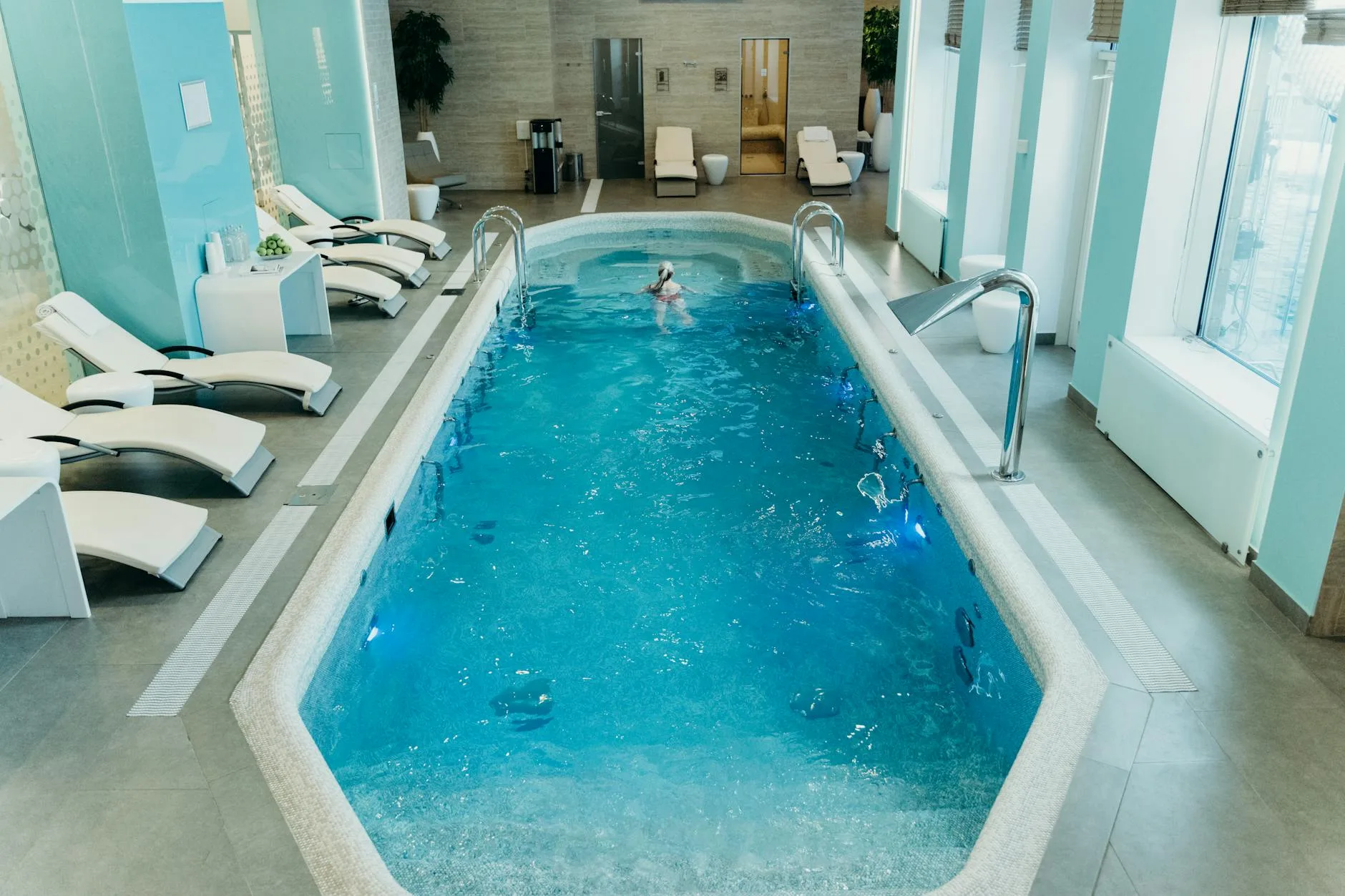
The hot tub zone in a dual-zone swim spa is functional but smaller. Typically 2-4 seats with 10-20 jets. It works for a post-swim soak, but if relaxation and hydrotherapy are your primary goals, a dedicated hot tub delivers a noticeably better experience for less money.
Exercise and Fitness
This is where swim spas have no competition.
Swim Spa Advantage
Nothing else in the residential market lets you swim at home without a full pool. The adjustable current means you can:
- Swim continuously — breaststroke, front crawl, backstroke against a current that keeps you in place
- Aqua jog — lower-impact than road running, excellent for recovery or people with joint problems
- Resistance training — use the current for water-based resistance exercises
- Children’s swimming practice — safer than a pool (smaller, shallower, enclosed) with the current set low
The swim experience varies hugely by brand and price. Cheaper swim spas use powerful jets that create a turbulent, narrow stream — you spend more time fighting the chop than actually swimming. Premium models (Endless Pools, TidalFit, Hydropool) use propeller or paddlewheel systems that create a wider, smoother current that feels more like swimming in open water. The difference is stark, and it’s worth testing before buying.
Hot Tub Exercise?
Some people do gentle stretching and resistance exercises in a hot tub, but it’s not designed for it. The water is too hot for sustained exercise (37-40°C raises your heart rate and limits how long you can work out safely), and there’s no current to swim against. A hot tub is for relaxation, not fitness.
Installation and Groundwork
Hot Tub Installation
Relatively simple. A solid base (concrete pad, paving slabs, or reinforced deck), a 32A electrical supply run by a qualified electrician, and access wide enough to get the tub into your garden (minimum 75 cm). Most hot tubs can be carried by 4-6 people through a standard side gate. Installation day takes about 2-4 hours from delivery to first fill.
Swim Spa Installation
More involved. The heavier weight (4-8 tonnes filled) means a reinforced concrete pad is essential — a standard patio won’t support it. Many swim spas are too large for side gates and need to be craned over fences or walls (add £300-600 for crane hire). Electrical requirements are higher — some large swim spas need a 3-phase power supply. Plan 4-8 weeks from ordering to first use, including groundwork, electrical work, and delivery scheduling.
According to UK building regulations, you generally don’t need planning permission for a hot tub or swim spa if it’s in your rear garden and not in a listed building or conservation area. However, some local authorities have specific rules about garden structures — check with your council before committing. The Planning Portal has the latest guidance.
Maintenance and Water Care
Hot Tub Maintenance
Weekly: test pH and sanitiser levels, add chemicals as needed. Monthly: clean the filter (a 10-minute rinse). Quarterly: drain and refill (about 1,000-1,500 litres). Annually: deep clean, inspect jets and seals. Total time: about 20-30 minutes per week. Our hot tub chemicals guide covers the basics.
Swim Spa Maintenance
Same routine as a hot tub but with more water to treat (5,000-8,000 litres), which means more chemicals and longer drain/refill times. Dual-zone models need separate water care for each zone. The swim jets accumulate debris faster than massage jets and need occasional cleaning. Total time: about 30-45 minutes per week.
The ongoing maintenance cost is also higher — expect to spend about £30-50 per month on chemicals for a swim spa vs £15-25 for a hot tub.
Year-Round Use in the UK
Both are designed for year-round use in the UK climate, but the experience differs.
Hot Tub in Winter
Hot tubs are brilliant in winter. Sitting in 38°C water on a cold January evening with steam rising around you is one of the best feelings a garden can offer. Well-insulated models maintain temperature efficiently even in sub-zero conditions. Running costs increase by about 20-30% in winter due to the temperature differential.
Swim Spa in Winter
The swim zone is less appealing in deep winter. Swimming in 28°C water when the air is 2°C means your arms and head get cold quickly. Some people swim year-round with wetsuits or neoprene caps, but it’s not the same experience as summer. The hot tub zone of a dual-zone swim spa remains just as enjoyable in winter as a dedicated hot tub.
If you’re in the UK and expecting to swim outdoors from November to February, be realistic. Most UK swim spa owners use the swim zone from April to October and the hot tub zone year-round.
Which Should You Buy?
Buy a Hot Tub If:
- Relaxation is your primary goal — soaking, jets, hydrotherapy, unwinding
- You want a social feature — friends and family gathering in the garden
- Your garden is small to medium — you have 3m x 3m or more
- Your budget is under £10,000 — including installation
- You don’t need to exercise in it — you have other fitness options (gym, running, cycling)
- You want lower ongoing costs — cheaper to run, cheaper to maintain
Buy a Swim Spa If:
- Exercise is a major factor — you want to swim, aqua jog, or do water-based training at home
- You’d use a pool but don’t have space for one — a swim spa fits where a pool can’t
- Your garden is large enough — minimum 7m x 3.5m for a dual-zone
- Your budget stretches to £15,000-30,000+ — including groundwork and electrics
- You want both exercise and relaxation — the dual-zone models genuinely do both, just not as well as separate dedicated products
- You have a specific medical need — physiotherapy, rehabilitation, low-impact exercise for joint conditions
The Compromise Nobody Talks About
A dual-zone swim spa tries to be two things at once, and it does both at about 70-80% of what a dedicated product achieves. The swim zone isn’t as good as a proper endless pool. The hot tub zone isn’t as good as a proper hot tub. If your budget allows it and you genuinely want both swimming and soaking, the compromise is worth it. But if you only slightly want to swim and mainly want to relax, you’ll be happier with a dedicated hot tub and the £10,000-20,000 difference in your pocket.
Frequently Asked Questions
Can you swim properly in a swim spa? Yes, but the experience varies by model. Premium swim spas with propeller or paddlewheel systems (Endless Pools, Hydropool) create a smooth, wide current that feels close to open-water swimming. Budget models with jet-based systems create a narrower, more turbulent current that’s harder to swim in comfortably. Always test before buying.
Do swim spas add value to a house? They can, but not as reliably as a well-done garden redesign or kitchen extension. A swim spa is a lifestyle feature — some buyers see it as a bonus, others see it as a maintenance commitment. Don’t buy one expecting a return on investment at sale time.
Can I put a swim spa indoors? Technically yes, but you need significant structural reinforcement (8 tonnes of weight), humidity extraction, waterproof flooring, and adequate ventilation. The cost of building a suitable room often exceeds the swim spa itself. Most UK installations are outdoors.
How long do hot tubs and swim spas last? A quality hardshell hot tub lasts 15-20 years with proper maintenance. Swim spas have a similar lifespan, though the swim jet motors may need servicing or replacement after 8-10 years. Inflatables last 3-5 years.
Is a swim spa loud? The swim jets are noticeably louder than hot tub massage jets — comparable to a powerful garden fountain or a running dishwasher. Most of the noise comes from the current hitting the water surface. It’s not disruptive enough for most neighbours, but it’s worth considering if you’re in a terraced house with close garden boundaries.