Solar hot tub heaters can help in strong sunshine, but no passive collector is a dependable replacement for a hot tub’s normal heater in the UK. Four products below are solar pool collectors that may suit only carefully verified systems; the two most practical hot-tub recommendations reduce heat loss without altering the water circuit.
Quick verdict
- Best simple solar mat: Intex 28685.
- Best curved collector: Monzana Solar Pool Heater.
- Best large panel: Speed Solar Sun 49120.
- Best compact dome: LOWENERGIE Solar Heating Dome.
- Best heat-retention upgrade: Happy Hot Tubs Floating Blanket.
- Best for inflatable tubs: Lay-Z-Spa XL Thermal Cover.
Our practical choice for most hot tubs is the Happy Hot Tubs floating blanket, provided it is measured and cut correctly beneath a proper lid. It tackles evaporation without adding hoses or resistance to the pump. For compatible inflatable spas, the Lay-Z-Spa thermal cover is the cleaner fit. Treat every solar collector as pool equipment unless both manufacturers explicitly confirm otherwise.
In This Article
- Compare the six products
- Read the individual reviews
- See what works in UK weather
- Check compatibility and safety
- Compare the wider options
- Read the final verdict
- Read the FAQs
Solar heating products compared
| Product | Our award | Published detail | Best for | Main compromise |
|---|---|---|---|---|
| Intex 28685 Solar Heating Mat | Best simple solar mat | 1.2m × 1.2m before filling; 32mm connections with 38mm adaptors | Small above-ground pool systems with suitable flow | Pool product; pump, temperature and fitting compatibility must be checked |
| Monzana Curved Solar Pool Heater | Best curved collector | 112 × 55 × 14cm; 32/38mm adaptor; listing states up to 10,000L/h | A compact collector that can be angled towards the sun | Published for pools, not as a universal hot-tub heater |
| Speed Solar Sun 49120 | Best large-format panel | 3 × 0.7m; 32/38mm connection; 2,000–10,000L/h published flow | Buyers with sunny installation space and compatible circulation | Large footprint and a published 1-bar maximum at 20°C |
| LOWENERGIE Solar Heating Dome | Best compact dome | 57 × 57 × 32cm; 38mm fittings with 32mm reducers | A compact modular pool collector | Pool-rated documentation; suitability at spa temperatures is not established |
| Happy Hot Tubs Thermal Floating Blanket | Best heat-retention upgrade | 7ft × 7ft; 400-micron bubble material; cut to fit | Reducing evaporation from a rigid hot tub | Must be trimmed carefully and used beneath a proper structural cover |
| Lay-Z-Spa XL Round Thermal Cover | Best for inflatable tubs | Fits round inflatable tubs up to 216cm diameter; adjustable straps | Improving insulation around a compatible inflatable spa | Fit must be checked; the exact variant was scarce when checked |
The comparison deliberately separates heat collection from heat retention. A solar mat, panel or dome adds heat only while useful sunlight reaches it and water is circulating. A floating blanket or insulated outer cover does not create heat, but can reduce the rate at which a hot tub loses it.

Six solar and heat-retention products reviewed
1. Intex 28685 Solar Heating Mat — Best simple solar mat

- Published specification: 1.2m × 1.2m before filling; 32mm connections with 38mm adaptors.
- Best for: Small above-ground pool systems with suitable flow.
- Main compromise: Pool product; pump, temperature and fitting compatibility must be checked.
The Intex 28685 is the clearest starting point if you want to understand what a passive solar collector can and cannot do. Intex describes a 1.2m × 1.2m mat before filling, with 32mm hose points and adaptors for 38mm hoses. Its product information limits the connected filter pump to less than 7,570L/h and describes the mat for above-ground pools.
That last point matters. A pool mat is not automatically suitable for sanitised water at hot-tub temperatures, and a spa pump may not tolerate the extra resistance. Check the hot tub manual, maximum water temperature, hose size and permitted accessories before connecting anything. If any of those details are unclear, do not put the mat into the spa circuit.
Intex says the mat can raise pool water by roughly 3–5°C depending on pool size and weather. Treat that as a pool-system claim, not a promise for a hot tub. For spa owners, the main value is as a low-cost experiment on a compatible summer setup rather than a replacement for the built-in heater.
- Buy it if: you want a simple mat for a compatible low-flow summer system.
- Skip it if: your hot tub manual does not permit added collectors or its pump exceeds the published limit.
2. Monzana Curved Solar Pool Heater — Best curved collector

- Published specification: 112 × 55 × 14cm; 32/38mm adaptor; listing states up to 10,000L/h.
- Best for: A compact collector that can be angled towards the sun.
- Main compromise: Published for pools, not as a universal hot-tub heater.
The Monzana collector uses a curved black HDPE body with adjustable feet, so it is easier to aim at the sun than a flat mat lying on the ground. The product information gives dimensions of 112 × 55 × 14cm, a 32-to-38mm adaptor and a stated flow figure of up to 10,000L/h. Multiple collectors can be connected in series.
Its compact footprint makes it more manageable than a long roll-out panel, but the same compatibility warning applies: Monzana presents it as an above-ground pool heater. A hot tub may run hotter, use different fittings and have a pump that is not designed for an added collector. A bypass arrangement does not solve a temperature or material-rating mismatch.
Choose this over the Intex mat when sun angle and tidy placement matter more than maximum collector area. Skip it if you cannot verify pump flow, fitting size and temperature limits in writing.
- Buy it if: you want a compact collector that can be angled towards direct sun.
- Skip it if: you cannot verify the pool-rated unit against your spa’s temperature and circulation requirements.
3. Speed Solar Sun 49120 — Best large-format panel
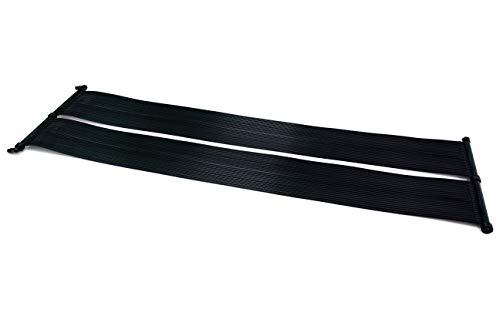
- Published specification: 3 × 0.7m; 32/38mm connection; 2,000–10,000L/h published flow.
- Best for: Buyers with sunny installation space and compatible circulation.
- Main compromise: Large footprint and a published 1-bar maximum at 20°C.
The Speed Solar Sun 49120 provides the largest collector area in this shortlist. Steinbach publishes dimensions of 3 × 0.7m, 32/38mm connections, a flow range of 2,000–10,000L/h and a maximum pressure of 1 bar at 20°C. The LDPE panel can be extended with additional collectors and is described as suitable for salt water.
A large absorber can collect more solar energy than a small dome under the same conditions, but installation becomes the main trade-off. You need an unshaded location, secure hose runs and enough space to lay out the panel without kinks or trip hazards. The published pressure value is explicitly tied to 20°C, which is another reason not to assume hot-spa suitability.
This is the most plausible passive option for a pool-style circulation system with generous sunny space. It is not our default recommendation for a conventional hot tub because its documentation is centred on pools and cooler water.
- Buy it if: you have generous unshaded space and a compatible pool-style circulation system.
- Skip it if: you need a compact installation or cannot satisfy its published flow and pressure limits.
4. LOWENERGIE Solar Heating Dome — Best compact dome
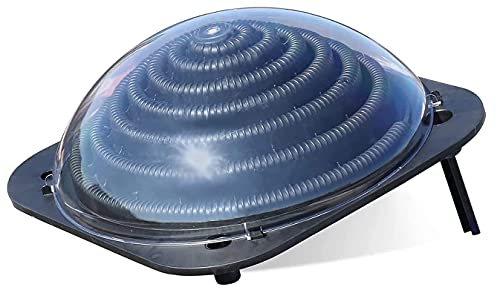
- Published specification: 57 × 57 × 32cm; 38mm fittings with 32mm reducers.
- Best for: A compact modular pool collector.
- Main compromise: Pool-rated documentation; suitability at spa temperatures is not established.
The LOWENERGIE dome is the compact modular option. Its product information gives dimensions of 57 × 57 × 32cm, a two-metre hose, 38mm connectors and reducers for 32mm pipework. The package includes the dome, base, hoses, clamps, connectors and seals.
The dome format protects the coiled absorber and lets you angle the unit towards the sun. It also occupies less ground than a three-metre panel. The compromise is collector area: one small dome cannot deliver the same solar input as a much larger absorber, and several units add fittings, resistance and potential leak points.
LOWENERGIE describes it for swimming pools up to 16,800 litres. That does not establish compatibility with a hot tub at 38–40°C. Consider it only where the spa manufacturer permits external pool-style collectors and every material, seal, fitting and flow requirement matches.
- Buy it if: a small modular dome suits an approved pool-style setup.
- Skip it if: you are relying on it as a universal hot-tub accessory or primary year-round heater.
5. Happy Hot Tubs Thermal Floating Blanket — Best heat-retention upgrade
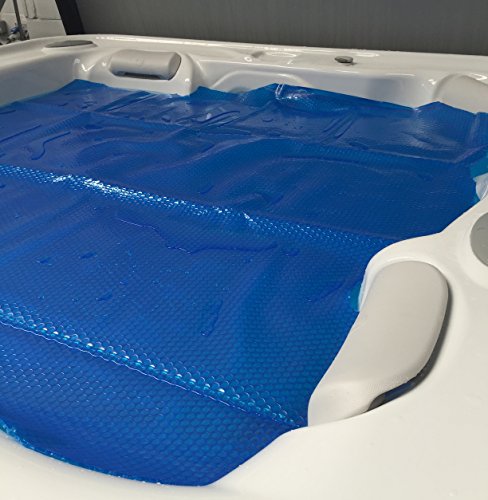
- Published specification: 7ft × 7ft; 400-micron bubble material; cut to fit.
- Best for: Reducing evaporation from a rigid hot tub.
- Main compromise: Must be trimmed carefully and used beneath a proper structural cover.
The Happy Hot Tubs floating blanket is not a heater, but it is the product here most likely to help an ordinary hot tub without modifying the circulation system. It is a 7ft-square, 400-micron bubble blanket designed to float directly on the water and be cut to the required shape.
A floating layer reduces the exposed water surface beneath the main lid, which helps limit evaporation and associated heat loss. The seller claims a very large reduction in evaporative loss; treat that as a seller claim because actual results depend on fit, wind, lid quality, water temperature and how often the tub is opened.
Measure the internal waterline rather than the outside cabinet and trim gradually. This is a supplement to a secure structural cover, not a child-safety cover. Choose it when your priority is retaining heat already produced rather than experimenting with external solar plumbing.
- Buy it if: you want to reduce evaporation beneath a rigid hot tub’s proper main lid.
- Skip it if: you need a structural or child-safety cover rather than a floating insulation layer.
6. Lay-Z-Spa XL Round Thermal Cover — Best for inflatable tubs

- Published specification: Fits round inflatable tubs up to 216cm diameter; adjustable straps.
- Best for: Improving insulation around a compatible inflatable spa.
- Main compromise: Fit must be checked; the exact variant was scarce when checked.
The Lay-Z-Spa XL thermal cover wraps around a compatible round inflatable hot tub rather than floating on the water. Bestway describes a double layer of thermal insulation, water-repellent UV-resistant material, adjustable straps and a removable zip panel for an external pump. It is intended for round inflatable tubs up to 216cm in diameter.
Bestway claims up to 40% better energy efficiency. That is a manufacturer claim under its conditions, not a guaranteed reduction in your electricity bill. Fit is the deciding factor: an oversized or loose cover allows wind underneath, while an undersized cover may strain seams and clips.
This is the best choice here for a compatible inflatable spa because it addresses heat loss across the sides and top without altering the water circuit. Confirm your tub’s outside diameter, height, pump position and clip arrangement before ordering.
- Buy it if: your round inflatable spa fits the published dimensions and pump opening.
- Skip it if: your tub is square, larger than 216cm or cannot use its straps and clips correctly.
Do solar hot tub heaters work?
Direct solar heating is weather-dependent
A passive collector absorbs sunlight into dark plastic and transfers part of that energy to circulating water. Output changes with collector area, sun angle, cloud, wind, water temperature and flow. The warmer the tub becomes relative to the air, the harder the collector must work against heat loss. That is why pool performance claims should not be carried across to a 38–40°C spa.
Heat retention often gives the cleaner win
Evaporation is a major route of heat loss from an uncovered water surface. A good main lid, a correctly fitted floating blanket and sensible open time help retain heat regardless of sunshine. Our guide to insulating a hot tub for winter explains the wider enclosure and base checks.
Insulation cannot make an inefficient heater free to run, but it avoids asking the heater to replace heat that could have been retained. For a typical plug-and-play tub, that is a more predictable first step than adding experimental plumbing.
Check compatibility before connecting a collector
Temperature, materials and water chemistry
Confirm the collector’s maximum water temperature and whether its plastics, seals and hoses are intended for chlorinated or brominated spa water. A statement that a product is suitable for a swimming pool does not answer either question at hot-tub temperatures.
Pump flow, pressure and fittings
Added hose length, narrow fittings and multiple collectors increase resistance. Compare the collector’s published flow and pressure limits with the hot tub’s manual, and check whether external accessories are permitted. Never defeat safety cut-outs or improvise mains electrical work; see our UK hot-tub electrical requirements guide.
Leaks, stagnation and hygiene
External pipework creates more joints and places where water can cool or stagnate. Drain and isolate equipment as instructed, maintain disinfectant levels and inspect connections regularly. The HSE’s spa-pool guidance explains why circulation, treatment and microbiological control matter.
Solar PV, heat pumps and heat retention
Solar PV offsets electricity rather than heating water directly
Rooftop solar PV can supply part of the electricity used by the existing heater or a compatible heat pump. It is a whole-home system, not a hot-tub accessory, and output varies by season and time of day. The Energy Saving Trust’s solar-panel guide covers generation, suitability and installer considerations.
Heat pumps need model-specific engineering
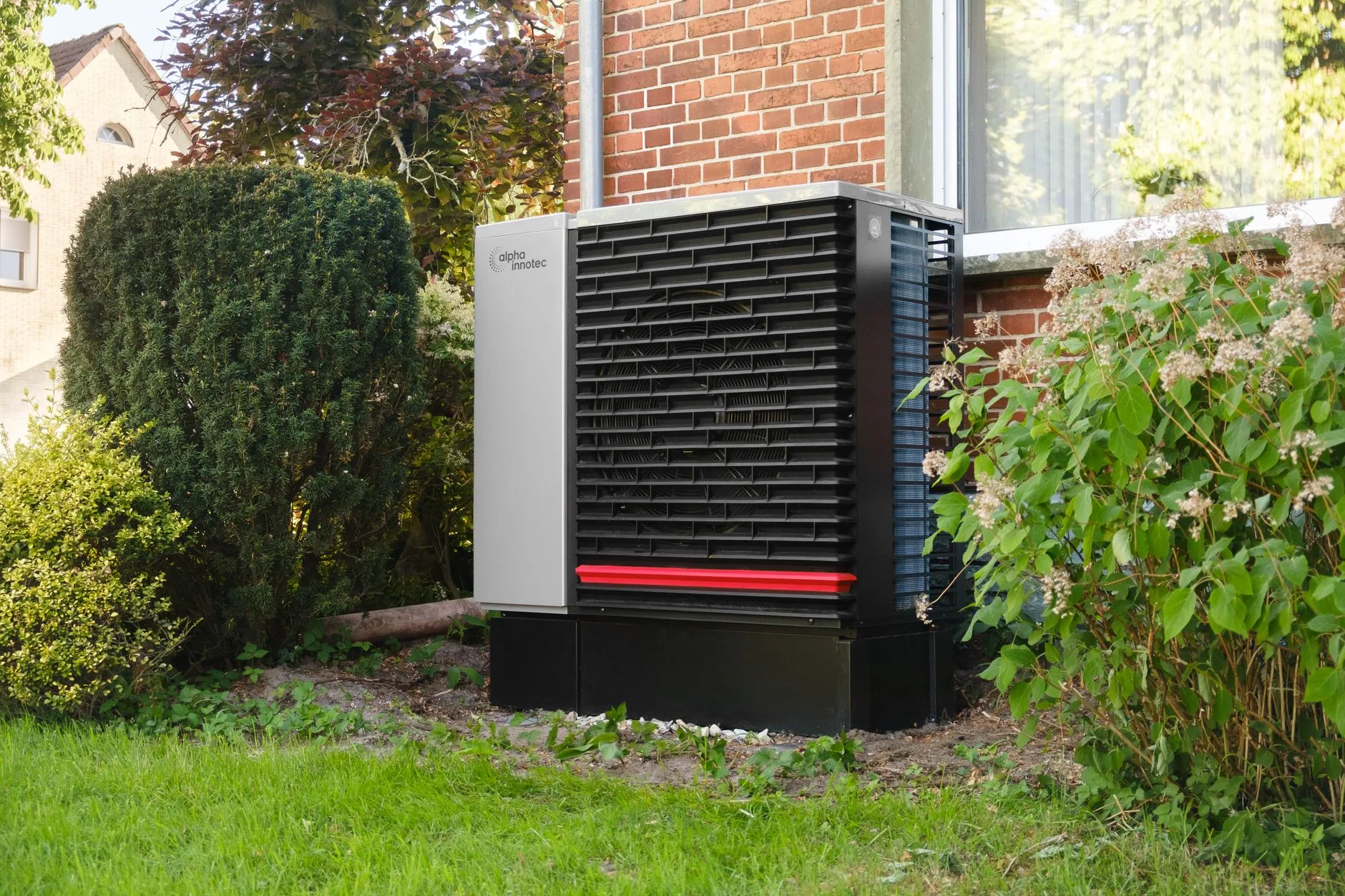
A correctly sized heat pump can move more heat into the water per unit of electricity than a resistance heater, but performance changes with air and water temperature. Plumbing, bypass control, frost protection, clearances, condensate and electrical supply all need to suit the exact hot tub and heat pump. Use a competent installer and preserve manufacturer warranties.
Start with the fabric of the tub
Before changing the heating system, inspect the lid for waterlogging or poor seals, check the cabinet and base insulation, and reduce unnecessary open time. Our hot-tub energy guide helps compare insulation and heating claims without relying on one headline figure.
Which option should you buy?
For most existing hot tubs, buy a correctly sized heat-retention product before a passive solar collector. The Happy Hot Tubs blanket is the best general option here for a rigid tub, while the Lay-Z-Spa thermal cover is the better choice for a compatible inflatable model.
If you have a pool-style summer system and written confirmation that an external collector is permitted, choose by space and plumbing: Intex for a simple mat, Monzana for a compact angled collector, Speed Solar for maximum panel area or LOWENERGIE for a small dome. None should be treated as universal hot-tub equipment.
For year-round use, investigate whole-home solar PV or a properly specified heat pump rather than expecting a small passive panel to maintain bathing temperature through a UK winter.
Frequently Asked Questions
Do solar hot tub heaters work in the UK?
Passive solar collectors can add heat in strong sunshine, but they are weather-dependent and usually designed for pools. For most hot tubs, a well-fitted cover and normal heater remain essential.
Can I connect a solar pool mat to a hot tub?
Only if the hot-tub and collector manufacturers confirm compatible temperatures, materials, fittings, pump flow and pressure. Do not assume a pool product is safe for spa-temperature water.
Is a thermal blanket better than a solar mat?
For many hot-tub owners, reducing evaporation with a correctly fitted floating blanket is simpler and more predictable than adding an external solar collector.
Can rooftop solar panels heat a hot tub?
Solar PV can offset electricity used by the hot tub’s existing heater or a compatible heat pump. It does not directly warm the water and output varies by season and time of day.
How many solar collectors would I need?
There is no universal number. Collector area, sunlight, water volume, heat loss, flow and permitted operating temperature all matter, so use the manufacturer’s sizing method for the exact system.
What is the safest first energy-saving upgrade?
Check the main lid, add a correctly sized floating thermal blanket where appropriate, reduce unnecessary open time and follow the hot-tub manufacturer’s insulation guidance.