You’ve seen the swim spas at the garden show, watched the demo video of someone doing an endless front crawl against a current, and thought: that could work in our garden. Then you looked at the price tag — £15,000 to £30,000 for the unit alone — and asked the question every sensible person asks next: what does it actually cost to run?
The answer is more complicated than most sellers will admit. A swim spa uses electricity to heat water, power jets, run pumps, and keep the filtration going 24/7. Your running costs depend on the size of the spa, how well it’s insulated, how often you use it, what temperature you keep it at, and whether you remembered to put the cover back on last Tuesday. I’ve crunched the real numbers based on current UK energy prices, and the honest answer is somewhere between £80 and £200 per month — which is a lot less than a swimming pool but a lot more than a standard hot tub.
In This Article
- The Bottom Line: Monthly Running Costs
- Electricity: The Biggest Cost
- What Affects Your Running Costs
- Heating Costs Explained
- Pump and Jet Costs
- Chemical and Water Costs
- Seasonal Variations in the UK
- How to Reduce Swim Spa Running Costs
- Swim Spa vs Hot Tub Running Costs
- Swim Spa vs Pool Running Costs
- Real Owner Experiences
- Frequently Asked Questions
The Bottom Line: Monthly Running Costs
Here’s what you can realistically expect to pay each month to run a swim spa in the UK:
- Well-insulated modern swim spa, moderate use: £80-120 per month
- Average swim spa, regular use: £120-160 per month
- Older or poorly insulated model, heavy use: £160-220 per month
These figures assume current UK electricity rates of around 24p per kWh (the Ofgem price cap as of early 2026). Your actual costs will vary with your tariff, usage patterns, and how well you maintain your spa.
Annual Breakdown
For a typical well-maintained swim spa with moderate use:
- Electricity: £960-1,440 per year (the lion’s share)
- Chemicals: £200-350 per year
- Water: £50-100 per year
- Filters and maintenance parts: £80-150 per year
- Total annual running cost: £1,300-2,000
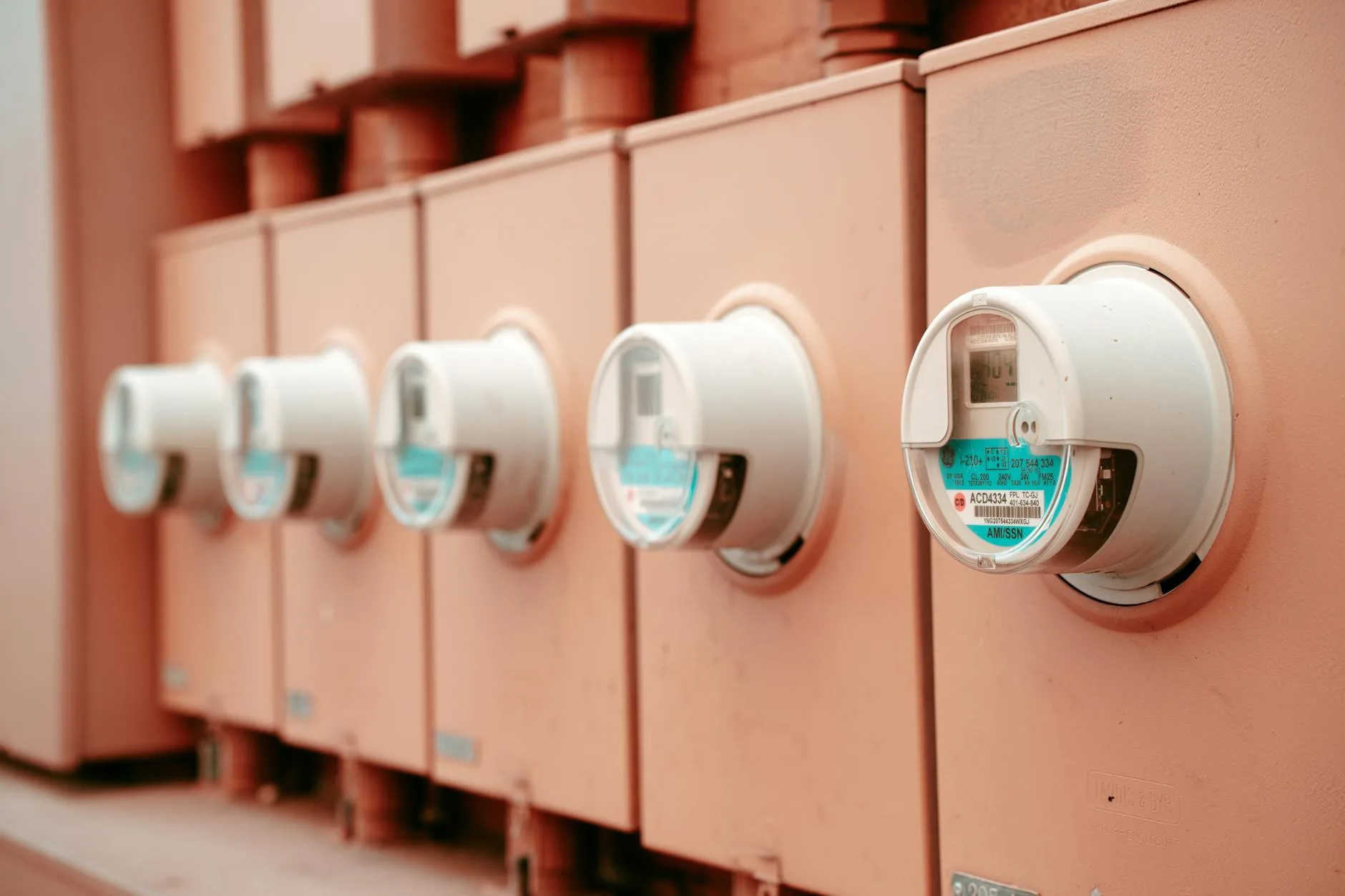
Electricity: The Biggest Cost
Why Swim Spas Use More Than Hot Tubs
A standard hot tub holds about 1,000-1,500 litres. A swim spa holds 4,000-8,000 litres. That’s 3-5 times more water to heat, filter, and circulate. The swim jets also draw far more power than standard hot tub jets — a swim current system typically uses 3-5 kW compared to 1-2 kW for hot tub massage jets.
Heater Power
Most swim spas use 3 kW heaters (some premium models use 4-6 kW). At 24p per kWh, a 3 kW heater running for one hour costs 72p. In winter, when the water loses heat fastest, the heater might run 6-10 hours per day. In summer, it might run 2-4 hours. This single component accounts for 60-70% of your total electricity bill.
Pumps and Filtration
The circulation pump runs 24/7 at low speed to keep water filtered and chemicals distributed. It typically draws 200-500 watts — about £1-3 per day. The swim jets use a separate, more powerful pump (2-5 kW) that only runs when you’re swimming, so the cost per session is about 50p-£1.20 for a 30-minute swim.
What Affects Your Running Costs
Temperature Setting
Every degree matters. Running your swim spa at 34°C (comfortable for relaxing) costs about 10-15% more than running it at 28°C (comfortable for swimming). Many owners keep the swim zone at 28-30°C for exercise and only boost the hot tub zone (if their model has a separate area) to 37-38°C.
Ambient Temperature
UK winters are the expensive months. When the outside temperature drops to 0-5°C, the temperature difference between the water and the air can be 30°C+, which means the heater works constantly to compensate. In summer, when ambient temperatures reach 15-25°C, the heating demand drops by 40-60%.
Insulation Quality
This is the single biggest variable between cheap and expensive swim spas in terms of running costs. A well-insulated swim spa (full-foam insulation, thermal cover, insulated cabinet) retains heat far better than a poorly insulated one. The difference can be £30-60 per month in electricity — over the spa’s lifetime, premium insulation pays for itself several times over.
Cover Usage
A high-quality thermal cover is the most cost-effective energy saver you can buy. An uncovered swim spa loses heat through evaporation at a rate that’s staggering — up to 70% of heat loss comes from the water surface. Putting the cover on every time you finish using the spa is the single most important habit for controlling costs. A good cover costs £300-500 and saves that within 3-6 months.
Wind Exposure
Wind accelerates evaporation and heat loss. A swim spa in an exposed, windy garden will cost 15-25% more to heat than one sheltered by a fence, hedge, or gazebo enclosure. If your garden is exposed, consider installing a windbreak before or alongside the swim spa.
Heating Costs Explained
Initial Heat-Up
Filling a swim spa with cold water (about 10°C from the mains) and heating it to 30°C requires raising 5,000 litres by 20°C. The physics: 5,000 litres × 20°C × 4.186 kJ/(kg·°C) = 418,600 kJ, or about 116 kWh. At 24p per kWh, that’s roughly £28 to heat from cold. With a 3 kW heater, it takes about 38 hours.
This is why you never drain your swim spa unless you really have to. Maintaining temperature is far cheaper than reheating from scratch.
Maintaining Temperature
Once up to temperature, the cost of maintaining it depends entirely on heat loss — which is driven by insulation, cover use, ambient temperature, and wind. A well-insulated, covered swim spa in summer might only need the heater for 2-3 hours daily (about £1.50-2.00). In a harsh January, that could rise to 8-12 hours (about £6-8 per day).
Heat Pumps as an Alternative
Some premium swim spas offer heat pump options instead of (or alongside) electric heaters. Heat pumps are 3-5 times more efficient — for every 1 kW of electricity consumed, they move 3-5 kW of heat into the water. The catch: they cost £2,000-4,000 upfront and work less efficiently in very cold weather (below 5°C). For UK climates, a heat pump typically reduces heating costs by 50-65% across the year, which means payback in 3-5 years.
Pump and Jet Costs
Circulation Pump
The circulation pump runs 24/7 at low speed. A typical draw of 300 watts costs about £2.10 per day or £63 per month. This is a fixed cost regardless of whether you use the spa or not — it’s keeping the water filtered and safe.
Swim Jets
Swim jets use a dedicated pump drawing 2-5 kW. If you swim for 30 minutes three times a week at 3 kW, that’s 1.5 kWh per session × 12 sessions per month = 18 kWh = about £4.30 per month. Not a huge cost, but it adds up alongside everything else.
Massage Jets
If your swim spa has a separate hot tub zone with massage jets, those typically draw 1-2 kW and run for 15-30 minutes per session. At three sessions per week, expect about £2-4 per month — a small part of the total.
Chemical and Water Costs
Chemicals
Swim spas need the same chemicals as hot tubs but in larger quantities because of the greater water volume. Monthly chemical costs typically include:
- Sanitiser (chlorine or bromine): £15-25 per month
- pH adjusters: £5-10 per month
- Shock treatment: £5-10 per month
- Anti-scale and anti-foam: £5-10 per month
Total: about £30-55 per month, or £360-660 per year. You can reduce this by testing water regularly and not over-dosing — many owners use too much chemical because they’re guessing rather than testing. A decent chemical testing routine saves money and keeps water quality better.
Water Costs
Swim spas need draining and refilling every 3-4 months (or more frequently with heavy use). Filling a 5,000-litre swim spa costs about £8-12 in water charges, depending on your water company. That’s £30-50 per year — the cheapest part of the running cost equation.
Seasonal Variations in the UK
Summer (June-August)
The cheapest time to run a swim spa. Ambient temperatures of 15-25°C mean the heater works far less. Electricity costs typically drop to £60-90 per month. Chemical costs stay roughly constant because UV light from the sun breaks down chlorine faster.
Autumn and Spring (March-May, September-November)
Moderate costs. Ambient temperatures of 5-15°C mean the heater runs 4-8 hours daily. Expect £90-140 per month. This is when good insulation and cover habits make the biggest difference.
Winter (December-February)
The expensive quarter. Ambient temperatures of 0-8°C and shorter daylight hours mean maximum heater demand. Expect £130-200+ per month for electricity alone. Some owners reduce the temperature by 2-3°C in winter to cut costs — going from 30°C to 28°C can save 10-15%.
The Energy Saving Trust recommends treating any electric heating system as a major energy consumer and taking all available insulation steps.

How to Reduce Swim Spa Running Costs
Always Use the Cover
Cannot stress this enough. The cover is your biggest single energy saver. Get a well-fitting thermal cover and use it every single time you get out. Some owners leave the cover off on warm evenings because the garden looks nice with the spa open — that’s your choice, but it costs money.
Lower the Temperature When Away
Going on holiday for a week? Drop the temperature to 20°C rather than maintaining 30°C. You’ll save £15-25 in electricity, and it only takes 12-24 hours to reheat when you get back.
Schedule Filtration Cycles
Rather than running the circulation pump 24/7 at a fixed speed, programme it to run more during off-peak electricity hours (if you’re on an Economy 7 or similar tariff). Some smart swim spas allow scheduling through an app.
Maintain Water Chemistry Properly
Poorly balanced water makes the filtration system work harder (blocked filters reduce pump efficiency) and requires more chemicals to correct. Test twice a week, keep pH between 7.2-7.6, and clean filters monthly.
Insulate the Ground Underneath
The base the swim spa sits on affects heat loss downward. A properly insulated base (concrete with foam board insulation, or a raised platform with insulation below) can reduce total heat loss by 10-15%. Worth doing before the swim spa is installed — retrofitting is much harder.
Swim Spa vs Hot Tub Running Costs
A standard hot tub costs about £30-60 per month to run — roughly half the cost of a swim spa. The difference comes down to water volume (1,000-1,500 litres vs 4,000-8,000 litres) and jet power (1-2 kW vs 3-5 kW). If you only want to soak and relax, a hot tub is more economical. If you want to swim and exercise, the swim spa’s extra cost is the price of that functionality.
Swim Spa vs Pool Running Costs
A traditional outdoor swimming pool costs £2,000-5,000+ per year to heat, maintain, and chemically treat in the UK — considerably more than a swim spa. Pools have much higher water volumes (30,000-75,000 litres), need more chemicals, and in the UK need a separate heating system to be usable for more than 3-4 months. A swim spa is usable year-round, smaller, and cheaper to maintain. The comparison between swim spas and pools is worth reading if you’re deciding between the two.
Real Owner Experiences
What Owners Report
UK swim spa forums and owner groups consistently report monthly electricity costs of £80-180 depending on the model and season. The most common complaint from new owners is that running costs were higher than expected in the first winter — sellers often quote summer figures rather than annual averages.
The Break-Even Question
Some owners compare swim spa costs to gym memberships. A family of four paying £50 each for gym membership with a pool spends £200/month — comparable to running a swim spa. The spa also adds value to the property (typically £5,000-15,000 according to estate agent estimates), which a gym membership doesn’t.
Maintenance Time
Beyond financial costs, owners typically spend 1-2 hours per week on maintenance — testing water, adding chemicals, cleaning filters, and checking the cover. This is comparable to hot tub maintenance but more than a gym membership requires.
Frequently Asked Questions
How much does a swim spa cost per month to run? Expect £80-200 per month depending on the model, insulation quality, usage patterns, and season. A well-insulated modern swim spa with a thermal cover and moderate use typically costs £80-120 per month. Poorly insulated or heavily used models can exceed £200 in winter.
Are swim spas expensive to heat in winter? Yes — winter is the most expensive season. UK ambient temperatures of 0-8°C mean the heater runs 8-12 hours daily, pushing monthly electricity costs to £130-200+. A heat pump can reduce this by 50-65%, and always using the thermal cover is essential.
Can I run a swim spa on solar panels? Solar panels can offset some of the electricity cost, but swim spas are heavy consumers (3,000-4,000 kWh per year) and most of the heating demand is in winter when solar output is lowest. A typical 4 kW domestic solar array might cover 20-30% of annual swim spa electricity costs. It helps but won’t eliminate the bills.
How often do you need to change the water in a swim spa? Every 3-4 months with proper chemical maintenance. Some owners stretch to 6 months with diligent water care, but water quality degrades over time as dissolved solids accumulate. Refilling a 5,000-litre swim spa costs about £8-12 in water charges.
Is a heat pump worth it for a swim spa? Usually yes, if you can afford the upfront cost (£2,000-4,000). Heat pumps are 3-5 times more efficient than electric heaters in mild weather, reducing annual heating costs by 50-65%. They pay for themselves in 3-5 years. They’re less efficient below 5°C, but even in a British winter they outperform straight electric heating.