You want to swim at home but you’re not sure whether to drop £8,000 on a swim spa or £30,000 on a proper pool. The swim spa brochure makes it look like a pool that fits in half the space. The pool company says nothing beats the real thing. Both are right — and both are leaving out the inconvenient details that actually determine which one suits your garden, your budget, and how you’ll realistically use it. For related guidance, see our Swim Spa Running Costs: What to Expect guide.
In This Article
- The Fundamental Difference
- Cost Comparison: Purchase and Running
- Space Requirements
- Swimming Experience
- Installation Complexity
- Year-Round Use in the UK
- Maintenance Compared
- Property Value Impact
- Which Should You Choose?
- Frequently Asked Questions
The Fundamental Difference
A swim spa is a self-contained unit with jets that create a current you swim against. You stay in one place while the water moves past you. A pool is a body of water you swim through. The experience, the space needed, and the cost are all different.
Swim Spa
A fibreglass or acrylic shell, typically 4-6 metres long and 2-2.5 metres wide, with powerful jets at one end that generate a swimming current. Many include a separate hot tub section at the other end. They sit above ground, partially sunken, or fully recessed into decking. Water volume: 3,000-8,000 litres.
Swimming Pool
An excavated, lined, or fibreglass-shelled structure typically 8-12 metres long (minimum for proper lane swimming). In-ground pools are the UK standard, though above-ground options exist. Water volume: 30,000-80,000 litres.
Cost Comparison: Purchase and Running
Purchase Price
- Swim spa (entry-level) — £5,000-8,000. Adequate current for fitness swimming, basic controls, single-zone
- Swim spa (mid-range) — £8,000-15,000. Stronger current, dual-zone with hot tub section, better insulation
- Swim spa (premium) — £15,000-30,000. Professional-grade swim current, advanced controls, superior build quality
- Swimming pool (above-ground, basic) — £3,000-8,000. Limited lifespan, no real swimming experience
- Swimming pool (in-ground, lined) — £20,000-40,000. The standard UK garden pool
- Swimming pool (in-ground, premium) — £40,000-100,000+. Tiled finish, heating, automated systems
Annual Running Costs
Running costs are where the real comparison happens. According to Energy Saving Trust guidance on home energy use, heating water is one of the most significant domestic energy costs:
- Swim spa — £800-1,800/year (electricity for heating, pumps, and filtration). Heavily insulated shells reduce heat loss
- Swimming pool (heated) — £2,000-5,000/year (gas or heat pump heating, pump, filtration, chemicals). The larger water volume requires proportionally more energy
- Swimming pool (unheated) — £500-1,200/year (pump, filtration, chemicals only). Usable May-September in the UK at best
Chemical and Maintenance Costs
- Swim spa — £300-500/year in chemicals. Smaller water volume means less chemical consumption but more frequent water changes (every 3-4 months)
- Pool — £500-1,000/year in chemicals. Larger volume requires more product but less frequent replacement (annual drain and refill)
10-Year Total Cost of Ownership
- Mid-range swim spa — £12,000 purchase + £12,000 running = about £24,000
- Standard in-ground pool — £30,000 purchase + £35,000 running = about £65,000
The swim spa costs roughly a third of a pool over a decade. That gap is hard to argue with unless the pool experience is worth the premium to you.
Space Requirements
Swim Spa
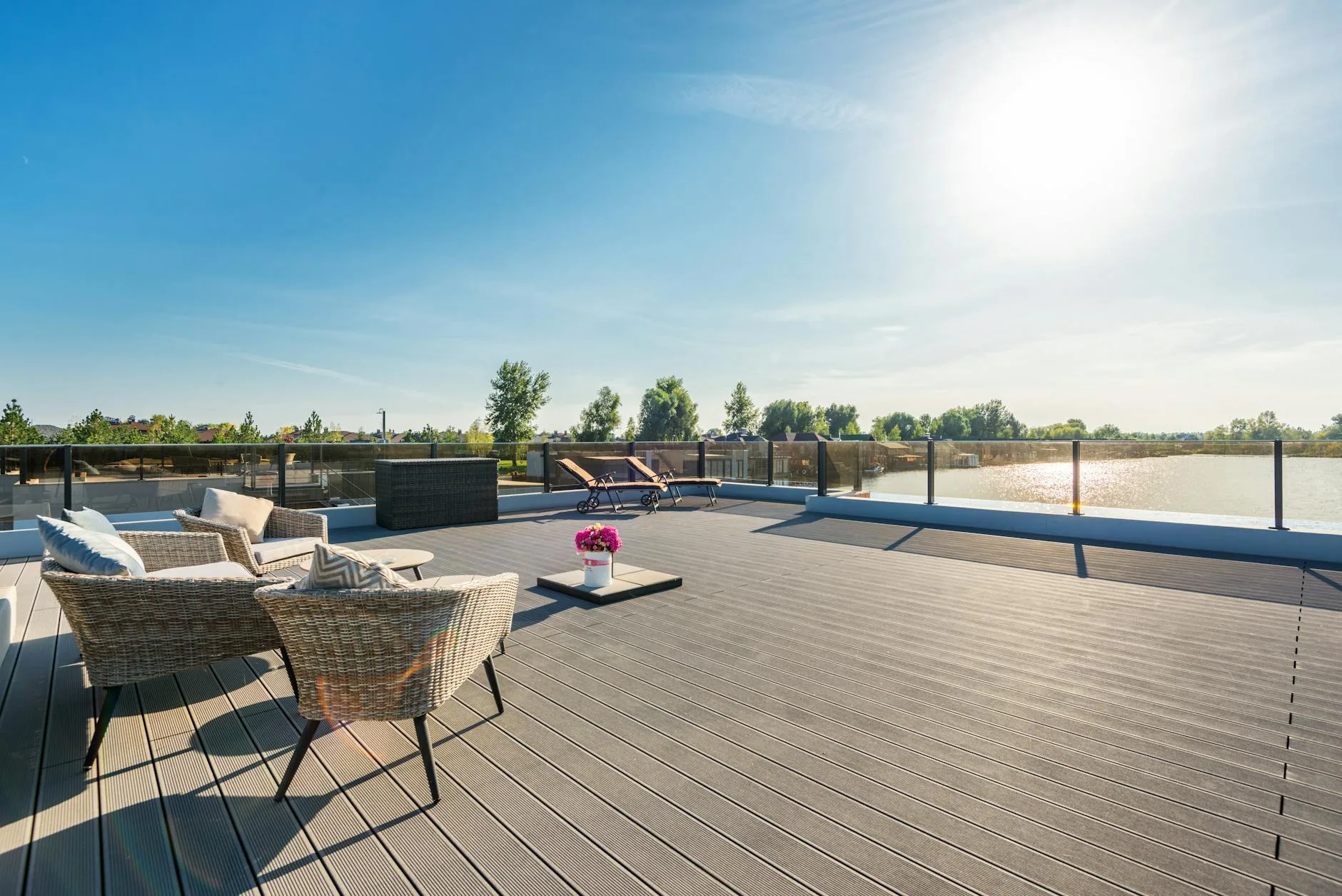
- Footprint: 4-6m × 2-2.5m. Fits in most UK gardens including terraced house back gardens
- Access: Needs crane or hiab delivery — check side access width (minimum 2.5m) or overhead clearance
- Surroundings: 600mm clearance around all sides for maintenance access. Decking or paving base recommended
- Planning permission: Usually not required for above-ground or partially sunken installations under 1 metre above ground level. Check with your local authority
Swimming Pool
- Footprint: 8-12m × 3-5m minimum for useful swimming. Plus 1-2m surround on all sides
- Total garden area needed: Realistically 60-100 square metres including surround — that’s most or all of an average UK garden
- Excavation: 5-10 tonnes of spoil to remove. Access for a digger required
- Planning permission: Not usually required for domestic pools, but building regulations apply for electrical work, drainage, and fencing (if the pool is accessible to young children)
The UK Garden Reality
The average UK garden is about 50 square metres. A swim spa fits comfortably. A proper swimming pool takes over the entire garden in most cases. If you have a large rural garden (200+ square metres), a pool becomes practical. For standard suburban gardens, a swim spa is often the only realistic option.
Swimming Experience
Swim Spa Swimming
Swimming against a jet current feels different from swimming through open water. The current pushes against you while you stay stationary. The experience varies by jet quality:
- Budget swim spas — turbulent, bubbly current that’s uncomfortable to swim against at higher settings. The water pushes you sideways as much as backward
- Mid-range — smoother current with better laminar flow. Swim-able for fitness but you’ll notice the artificial feel
- Premium (e.g., Endless Pools, Master Spas) — wide, smooth current that closely mimics open water swimming. Professional swimmers train in these
The honest assessment: a swim spa gives you a legitimate cardiovascular workout, but it doesn’t replicate the freedom and feel of swimming lengths in a pool. If swimming technique and the meditative rhythm of open-water laps matter to you, a pool wins. If you want exercise and don’t care about the experience being identical to a pool, a swim spa delivers.
Pool Swimming
Nothing beats a pool for the actual swimming experience. Turning at the wall, gliding through still water, the rhythm of proper lengths — a pool is the real thing. The minimum length for useful swimming is about 8 metres (roughly 4 strokes per length), though 10-12 metres is far more satisfying. Below 8 metres, you spend more time turning than swimming, which is frustrating.
Hydrotherapy and Relaxation
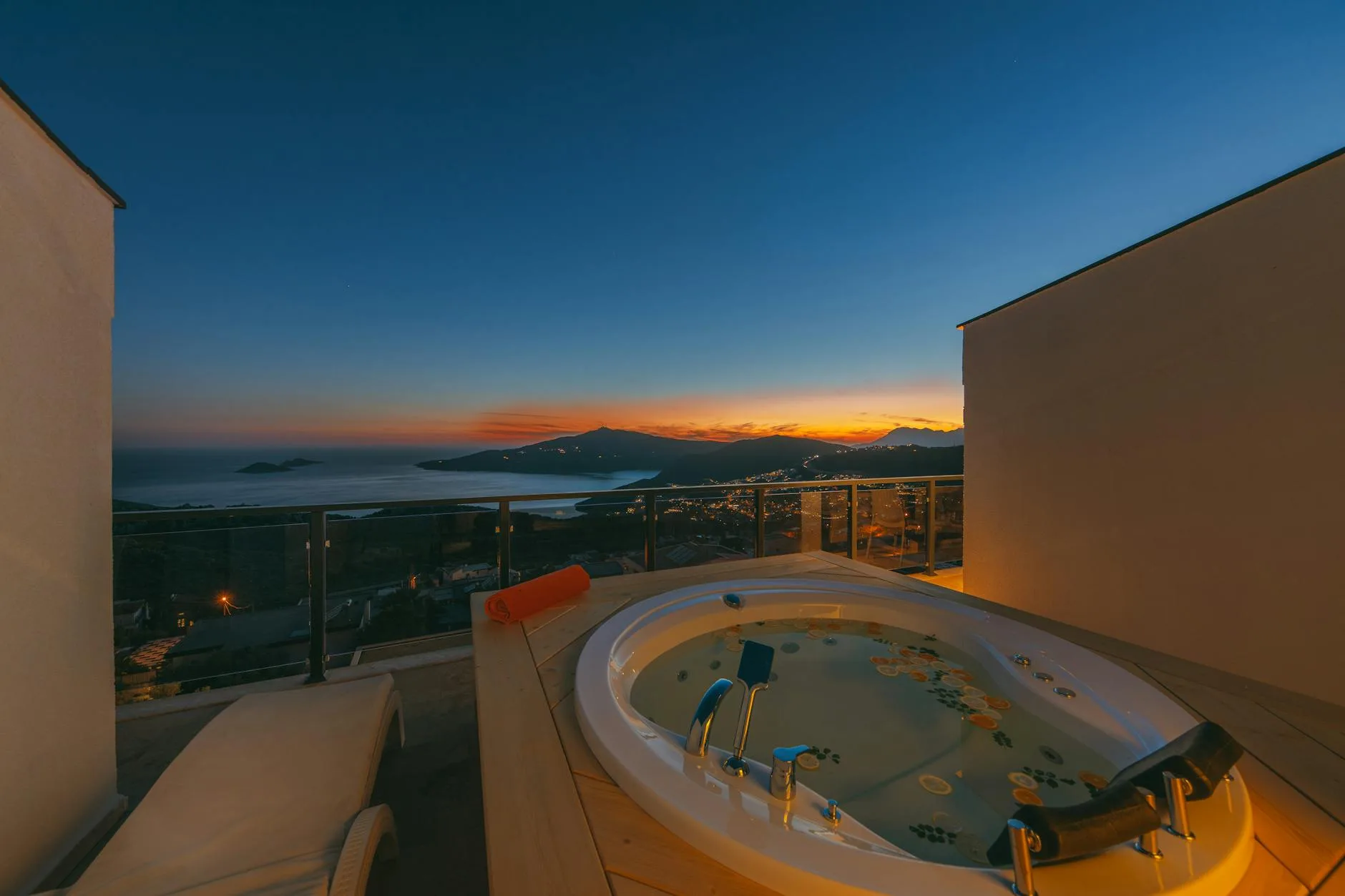
Swim spas with a dual-zone design include a hot tub section at 37-39°C alongside the cooler swim zone. This combination of exercise and relaxation in one unit is a genuine advantage — you can swim at 26°C then step into the hot tub section for recovery. A pool requires a separate hot tub for this, adding cost and space.
Installation Complexity
Swim Spa Installation
- Timeline: 1-3 days from delivery to first use
- Base preparation: A level concrete pad or reinforced deck (must support 3,000-6,000kg when filled)
- Electrical: Dedicated 32A or 40A supply from your consumer unit. Must be installed by a qualified electrician
- Plumbing: No external plumbing required — self-contained system. Just fill with a garden hose
- Disruption: Minimal. Crane delivery takes 30 minutes. Electrical work takes half a day
For a detailed walkthrough of the process, our swim spa installation guide covers base preparation, delivery access, and electrical requirements.
Pool Installation
- Timeline: 6-12 weeks from excavation to first swim
- Excavation: Major groundwork with digger access, spoil removal, and potential impact on neighbouring properties
- Construction: Liner fitting or fibreglass shell placement, coping, tiling, and surround work
- Electrical: Pump house, filtration, heating, lighting — far more complex than a swim spa
- Plumbing: Full plumbing system with pump, filter, heater, and potentially a heat pump
- Disruption: Substantial. Your garden is a building site for 2-3 months
Year-Round Use in the UK
Swim Spa
Heated to 26-28°C for swimming, a swim spa is usable year-round. The insulated shell and hard cover retain heat well, and the smaller water volume means heating costs remain manageable even in winter. We’ve used one through a full British winter and the only issue is the brief shock of stepping out into cold air — the water itself stays perfectly comfortable. The dual-zone models let you heat only the hot tub section during months when you don’t want to swim, reducing electricity costs.
Pool
An unheated pool in the UK is realistically usable from late May to mid-September — about 4 months. Heating extends the season:
- Gas boiler heating — extends to April-October. Expensive to run (£100-200/month)
- Heat pump — extends to March-November. More efficient than gas but initial cost is £3,000-6,000
- Solar heating — free running costs but only effective May-September when you least need it
- Pool enclosure/dome — extends the season and reduces heating costs. Adds £5,000-20,000 to the project
For genuine year-round swimming, you need a heated pool with at least a heat pump — which adds heavily to both installation and running costs. A swim spa achieves year-round use at a fraction of the cost.
Maintenance Compared
Swim Spa Maintenance
- Weekly: Test water chemistry, adjust chemicals, clean filter (5-10 minutes)
- Monthly: Deep clean filter, check jets, wipe waterline (30 minutes)
- Quarterly: Full water change, clean shell, inspect equipment (2-3 hours)
- Annually: Professional service recommended (£100-200)
The smaller water volume makes swim spa maintenance more manageable than a pool. Water changes take 30-45 minutes with a submersible pump.
Pool Maintenance
- Daily: Skim surface debris, check pump basket (5 minutes)
- Weekly: Test and adjust chemistry, vacuum or run robotic cleaner, backwash filter (30-60 minutes)
- Monthly: Inspect equipment, clean tile line, check water level (1 hour)
- Seasonally: Winterise (if not heating year-round), spring opening and commissioning
- Annually: Professional service (£200-400), potential liner inspection
Pool maintenance is a part-time job from April to October. Many pool owners hire maintenance services (£80-150/month) rather than doing it themselves.
Property Value Impact
Swim Spa
Minimal impact on property value. A swim spa is removable — it’s essentially a large appliance, not a permanent structure. Some buyers see it as a positive; others see it as something they’d need to remove. It neither adds nor significantly detracts from house value in most cases.
Swimming Pool
Mixed impact in the UK market. Unlike warmer countries where a pool adds 5-10% to property value, UK pools can actually reduce the buyer pool (no pun intended). Families with young children see pools as a safety hazard. Buyers who don’t swim see maintenance costs and lost garden space. In premium properties (£1m+), a well-maintained pool adds value. In average properties, it can be a liability. Estate agents consistently report that UK pools don’t return their installation cost at resale.
Which Should You Choose?
Choose a Swim Spa If…
- Your garden is under 100 square metres
- Your budget is under £15,000 for the complete setup
- You want year-round use without massive heating bills
- Exercise is your primary goal (not leisurely laps)
- You want a hot tub function as well
- You might move house within 10 years (it goes with you)
- You want minimal installation disruption
Choose a Pool If…
- Your garden is 200+ square metres
- Your budget is £30,000+ and you’re comfortable with ongoing running costs
- The swimming experience matters more than practicality
- You have children who want to play, dive, and swim freely
- You’re in the property long-term (10+ years)
- You enjoy garden projects and don’t mind the maintenance commitment
- Your property is in a premium bracket where a pool adds value
The Honest Answer for Most UK Families
For 80% of UK homes, a swim spa is the more practical choice. The garden space, budget, running costs, and year-round usability all favour the swim spa. A pool is the dream — a swim spa is the reality that actually gets used 12 months a year instead of 4. If you’re choosing a swim spa, our guides on sizing and installation cover the next steps.
Frequently Asked Questions
Can you actually swim properly in a swim spa? Yes, but it feels different from swimming in a pool. You swim against a jet current rather than moving through water. Premium swim spas (Endless Pools, Master Spas) produce smooth, wide currents that closely mimic open water. Budget models have turbulent currents that are less comfortable. For fitness swimming, swim spas are effective. For the leisurely experience of swimming lengths, a pool is better.
Is a swim spa cheaper to run than a pool? Yes — roughly 50-70% cheaper annually. A swim spa costs £800-1,800/year to run. A heated pool costs £2,500-5,000/year. The difference comes from the smaller water volume (less energy to heat) and better insulation (less heat loss). Over 10 years, a swim spa saves £15,000-30,000 in running costs compared to a heated pool.
Do you need planning permission for a swim spa? Usually not, if it sits above ground or is partially sunken less than 1 metre. It falls under permitted development in most cases. However, check with your local planning authority — conservation areas, listed buildings, and specific local rules may apply. Building regulations apply to the electrical installation regardless.
How long does a swim spa last? A quality swim spa lasts 15-20 years with proper maintenance. The shell and frame are the most durable components. Pumps, heaters, and control systems typically need replacement or servicing after 7-10 years. Budget models may show wear after 8-10 years. Regular maintenance extends lifespan considerably.
Can a swim spa replace a hot tub AND a pool? A dual-zone swim spa replaces both — the swim section operates at 26-28°C for exercise, and the hot tub section operates at 37-39°C for relaxation. It’s not identical to either a dedicated pool or a dedicated hot tub, but it delivers 80% of the experience of both in a single unit at a fraction of the combined cost.