The clocks have gone forward, the sun’s actually warm before noon, and you’re eyeing up the hot tub that’s been quietly bubbling away under its cover all winter. Or worse — you drained it in October and it’s been sitting empty since, looking increasingly neglected next to the barbecue. Either way, summer hot tub season needs a bit of prep before you can start hosting evening soaks. Here’s everything you need to do to get it right. For related guidance, see our Hot Tub Drink Holders, Trays & Accessories Worth Getting guide.
In This Article
- Why a Summer Prep Routine Matters
- Step 1: Inspect the Shell and Cabinet
- Step 2: Clean or Replace Your Filters
- Step 3: Flush the Plumbing
- Step 4: Drain and Deep Clean
- Step 5: Refill and Balance the Water
- Step 6: Check the Cover
- Adjusting Temperature for Summer
- Summer Water Care Differences
- Energy Saving Tips for Summer
- Frequently Asked Questions
Why a Summer Prep Routine Matters
A hot tub that’s been running over winter or sitting dormant since autumn needs attention before summer use. During winter, biofilm builds up inside the plumbing even if the water looks clear. Filters clog with accumulated debris. The cover takes a beating from rain, frost, and UV exposure. And the water chemistry drifts in ways you might not notice until someone gets a skin reaction.
The Risks of Skipping Prep
- Biofilm in pipes creates a breeding ground for bacteria, including Legionella and Pseudomonas, which thrive in warm, stagnant water
- Worn filters let contaminants through, making sanitiser work harder and turning the water cloudy
- Degraded covers lose insulation and let debris, insects, and rainwater into the tub
- Unbalanced water irritates skin, damages equipment, and reduces the lifespan of your shell
The Health and Safety Executive classifies hot tubs as a risk source for Legionella if not properly maintained. A thorough seasonal prep isn’t fussy — it’s responsible.
When to Start
Aim for late April or early May in the UK — warm enough that the prep work isn’t miserable, but early enough that you’re ready for the first proper warm weekend. Having done this too late in previous years (scrambling on a June bank holiday weekend with cloudy water and no clean filters), starting in April is the lesson that stuck.
Step 1: Inspect the Shell and Cabinet
Before touching the water or chemistry, give the tub a proper visual check. Winter takes its toll, and small issues caught now prevent expensive repairs later.
What to Check
- Shell surface — look for cracks, blisters, or rough patches in the acrylic. Small surface scratches are cosmetic. Anything that catches your fingernail needs assessment
- Jets — turn each jet by hand to check they rotate freely. Seized jets need descaling or replacing
- Cabinet panels — check for warping, cracks, or gaps that could let pests in. Mice and insects love the warm, sheltered space inside hot tub cabinets over winter
- Base and surrounds — check the hot tub base for any settling, cracking, or drainage issues. Our guide to choosing a hot tub base covers what a proper foundation looks like
- Electrical connections — visually inspect the cable run and any junction boxes for damage. Don’t test electrical components yourself if you’re not qualified — call an electrician if anything looks suspect
Step 2: Clean or Replace Your Filters
Filters are the workhorses of your hot tub. After a winter of service — or a winter of sitting in stagnant water — they need attention before summer ramps up usage.
Cleaning Existing Filters
- Remove the filter cartridges from their housing
- Rinse with a garden hose to remove loose debris — work from top to bottom, getting between every pleat
- Soak in a dedicated filter cleaner solution (not household bleach) for 12-24 hours. Products like Filter Cleanse or Aqua Sparkle Filter Cartridge Cleaner work well, about £8-12 from most hot tub suppliers
- Rinse thoroughly and allow to dry completely before reinstalling
When to Replace Instead
Replace your filters if any of these apply:
- The fabric is discoloured beyond what cleaning removes — grey or brown filters have absorbed oils and minerals that won’t wash out
- The pleats are flattened or torn — damaged pleats reduce filtration surface area
- They’re over 12 months old — even with regular cleaning, filter media deteriorates. Annual replacement is standard practice
- You can’t remember when you last replaced them — that’s your answer
Quality replacement filters for most UK hot tubs cost £20-40 per cartridge. For a step-by-step deep clean guide, see our article on how to clean hot tub filters.
Step 3: Flush the Plumbing
This is the step most people skip, and it’s the most important one. The plumbing in your hot tub — the pipes between the pump, heater, jets, and drain — develops biofilm over time. Biofilm is a slimy layer of bacteria that clings to the inside of pipes and is nearly impossible to remove with normal sanitiser levels.
How to Flush
- With the old water still in the tub, add a pipe flush product. Whirlpool Flush, Ahh-Some, or Spa System Flush are the main options in the UK, typically £10-15
- Run all jets on high for 30-60 minutes with the cover off. You’ll likely see brown, grey, or white flakes appearing in the water — that’s the biofilm breaking free from the pipe walls
- Don’t be alarmed if the water looks disgusting. That’s the point. Everything you’re seeing was living inside your plumbing
Why It Matters
Biofilm protects bacteria from sanitiser. You can have perfect chlorine levels in your tub water, but if there’s biofilm in the pipes, bacteria behind that biofilm are unaffected. Flushing strips the biofilm and lets your sanitiser do its job properly once you refill.
Step 4: Drain and Deep Clean
After the pipe flush, drain all the old water. Don’t try to save it — start fresh for summer.
Draining
- Use the built-in drain valve if your tub has one — connect a garden hose and run it to a suitable drain point
- Submersible pump (about £20-30 from Amazon UK or Screwfix) drains faster than gravity — useful for tubs over 1,000 litres
- Where to drain — onto a lawn or border is fine (diluted hot tub water won’t harm grass in normal quantities). Don’t drain into a storm drain or watercourse
Deep Cleaning the Shell
With the tub empty:
- Spray the entire shell with a non-abrasive hot tub surface cleaner. Avoid kitchen cleaners — they can leave residues that foam when the jets run
- Scrub with a soft cloth or non-scratch sponge. Pay extra attention to the waterline where body oils and minerals accumulate
- Clean the jet faces individually — push a cloth into each jet housing and twist to remove build-up
- Rinse everything thoroughly. Any cleaner residue will foam up when you refill and run the jets
Step 5: Refill and Balance the Water
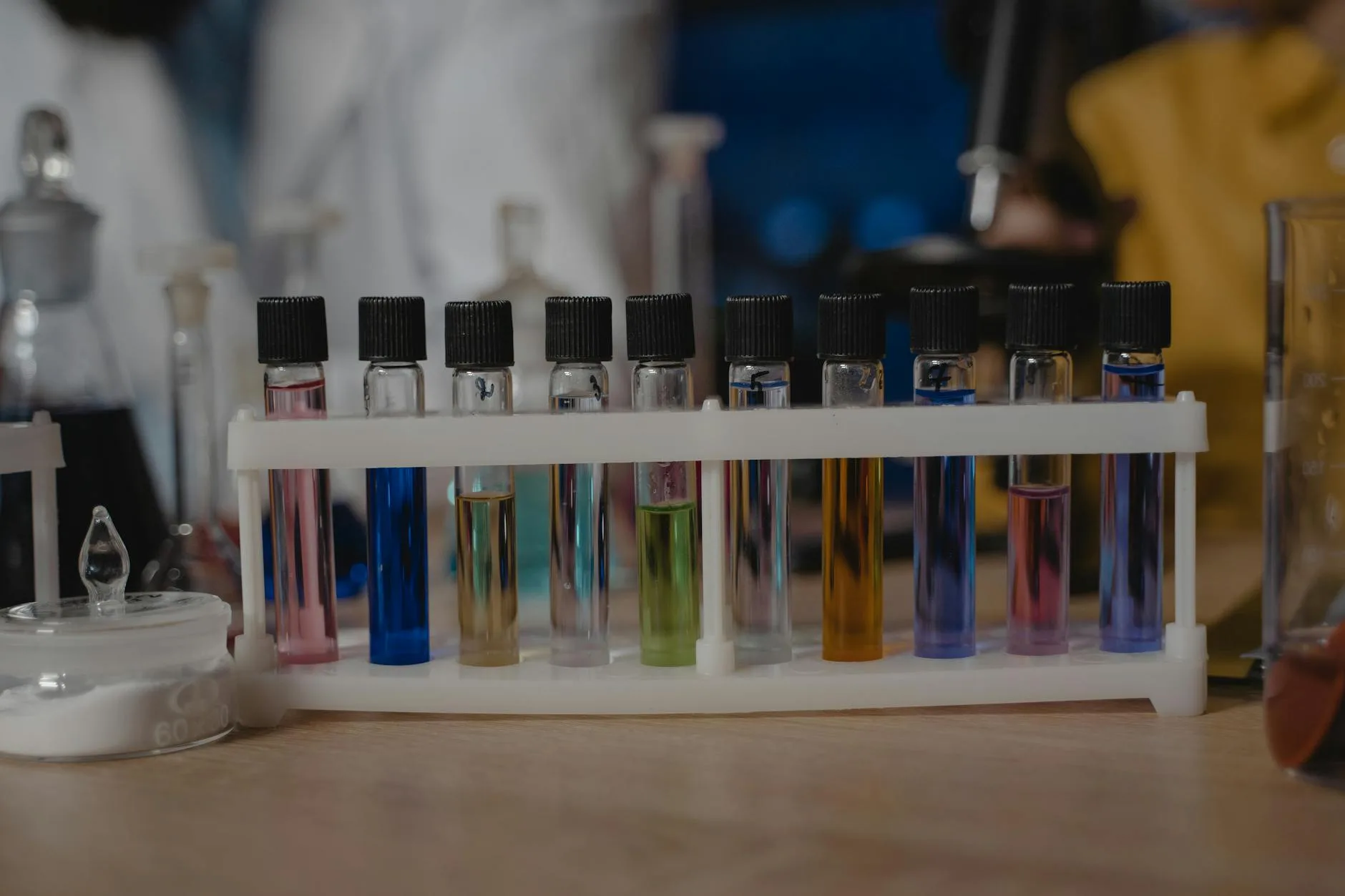
Fresh water means a fresh start with chemistry. Fill from your garden hose with a pre-filter attached if possible — hose pre-filters (about £15-25) remove sediment and some minerals that would otherwise need treating.
Fill Process
- Place the hose into the filter housing or skimmer opening — this fills the plumbing from the inside out and prevents air locks
- Fill to the recommended level (usually mid-way up the skimmer opening)
- Turn on the power and run the pumps to circulate
Initial Water Balance
Test the water and adjust in this order — getting the sequence right matters because each parameter affects the others:
- Total Alkalinity (TA): target 80-120 ppm. Adjust with alkalinity increaser or pH reducer
- pH: target 7.2-7.6. Adjust with pH increaser or reducer after TA is set
- Sanitiser: add chlorine granules or bromine to reach 3-5 ppm (chlorine) or 3-5 ppm (bromine)
- Calcium Hardness: target 150-250 ppm. UK water varies hugely by region — soft water areas (Scotland, Wales, parts of the North) may need calcium increaser. Hard water areas (South East England) rarely need adjustment
For a complete guide to water chemistry, our hot tub chemicals for beginners guide covers everything in detail.
First 48 Hours
Run the pumps continuously for the first 48 hours after refilling. Test the water twice daily and adjust as needed. It takes a couple of days for the chemistry to stabilise, especially if you’re using a new sanitiser system.
Step 6: Check the Cover
Your cover works year-round but takes the worst beating over winter. UV damage, rain saturation, and frost cycles all degrade cover performance.
What to Inspect
- Weight — lift one end. If it feels noticeably heavier than when new, the foam core has absorbed water. A waterlogged cover loses most of its insulating ability and will eventually sag into the water
- Vinyl condition — check for cracks, tears, or faded patches. Small tears can be repaired with vinyl patch kits (about £8-10). Extensive cracking means the UV protection has failed and the cover needs replacing
- Stitching — check seams, especially around the hinge fold and the handle attachment points. Failed stitching allows water ingress
- Clips and straps — ensure the cover lock mechanisms work. Cover locks prevent the cover blowing off in wind and keep children out — they’re a safety feature, not just a convenience
Cover Care
- Clean both sides with a dedicated cover cleaner or mild soap solution
- Apply UV protectant (like 303 Aerospace Protectant, about £12-15) to the top surface. This extends vinyl life by several years and prevents fading
- Allow to dry completely before closing — trapped moisture between the cover and water surface promotes mould growth
Adjusting Temperature for Summer
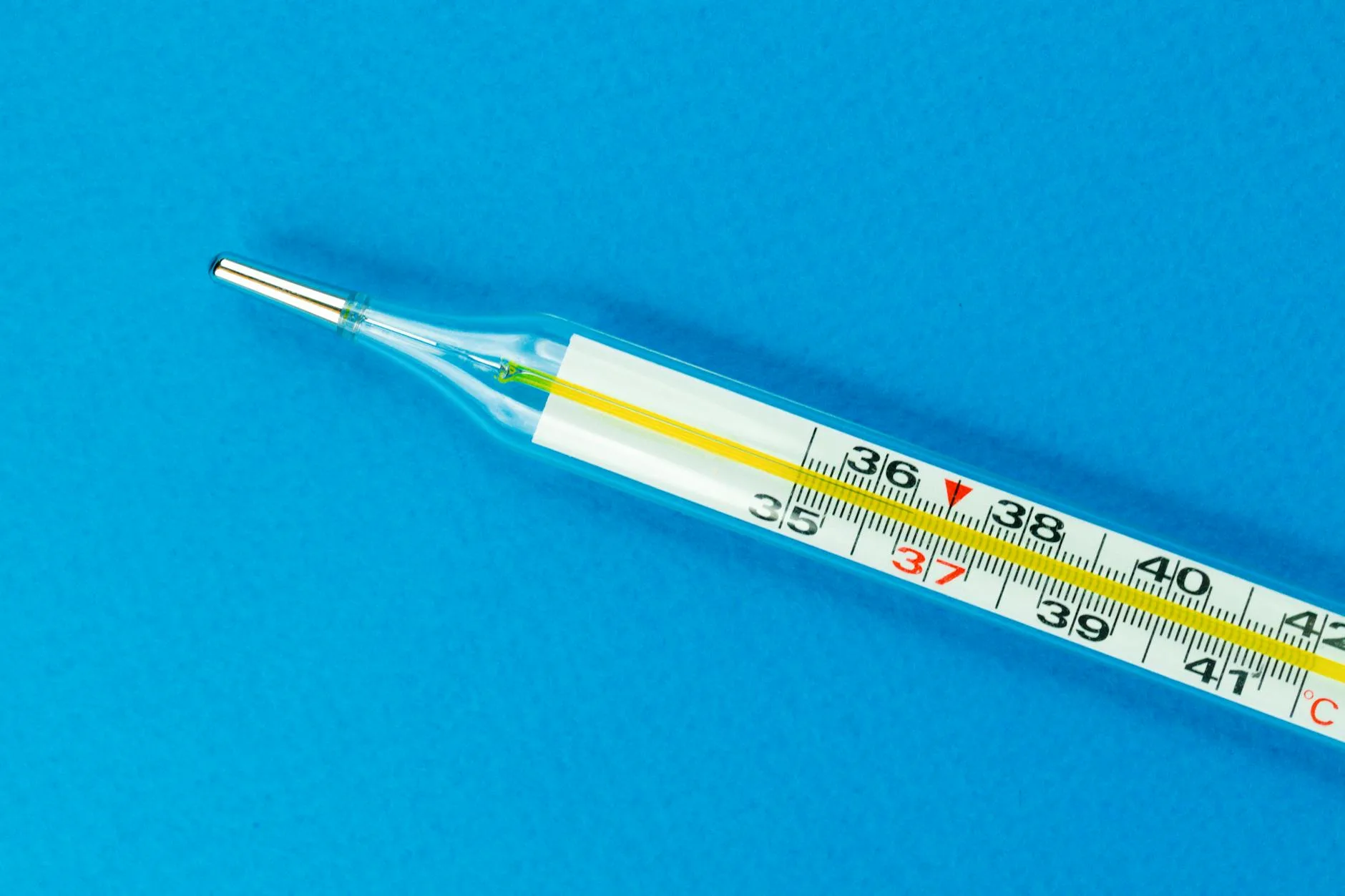
Winter hot tub temperatures typically run at 37-38°C — perfect for cold evenings. Summer needs a different approach.
Recommended Summer Settings
- Evening use only: 35-36°C — warm enough to feel like a hot tub, cool enough that you don’t overheat on warm evenings
- Regular daytime use: 32-34°C — especially if children are using the tub. The lower temperature is safer and more comfortable when the ambient temperature is already warm
- Maximum ambient heat days (25°C+): consider dropping to 30-32°C or even turning the heater off entirely. A tub at 30°C still feels warm and is much more pleasant than 38°C when it’s genuinely hot outside
Energy Savings
Every degree you lower the temperature saves energy. Dropping from 38°C to 34°C can reduce heating costs by 20-30% — noticeable on the electricity bill over a summer of regular use. For a full breakdown, our guide on hot tub energy ratings explains what drives running costs.
Summer Water Care Differences
Summer hot tub use is different from winter in ways that affect water chemistry and maintenance.
Higher Usage
More people using the tub more often means more body oils, sunscreen, deodorant, and sweat entering the water. Each bather introduces roughly 600ml of organic contamination per 20-minute soak. Four people on a Saturday evening can radically change the water chemistry.
Sunscreen and Lotions
Sunscreen is the biggest water quality challenge in summer. It creates a greasy film on the water surface, clogs filters faster, and neutralises sanitiser. There’s no way around this entirely, but you can manage it:
- Ask bathers to shower before entering — even a quick rinse removes most surface lotions
- Use a floating oil-absorbing sponge (about £5-8) — these sit on the water surface and absorb oils and lotions
- Clean filters more frequently — weekly instead of fortnightly during heavy-use periods
- Consider enzyme-based treatments — products like Natural Chemistry Spa Perfect break down oils and organics naturally, reducing the load on your sanitiser
Algae Risk
Warm water plus sunlight equals algae risk. If your cover is left off for extended periods in direct sun, algae can establish faster than sanitiser can kill it. Keep sanitiser levels at the upper end of the range (4-5 ppm chlorine) during sunny spells, and don’t leave the cover off for more than a couple of hours.
More Frequent Testing
Test water at least every other day during peak summer use — three times a week minimum. What passes as balanced in winter with twice-monthly use can go sideways within 24 hours of a busy summer Saturday. After years of summer hot tub ownership, the pattern is always the same: the tub looks perfect on Friday, gets hammered on Saturday, and needs intervention by Sunday morning.
Energy Saving Tips for Summer
Lower the Temperature
Already covered above — dropping 4-6°C saves 20-30% on heating costs.
Use Economy Mode
Most modern hot tubs have an economy or sleep mode that only heats the water during set periods rather than maintaining temperature 24/7. In summer, when the tub naturally stays warmer due to ambient temperature, economy mode can save significant energy without noticeably affecting your soak experience.
Keep the Cover On
The cover prevents heat loss through evaporation, which is the single biggest source of energy waste in hot tubs. Even in summer, keep the cover on whenever the tub isn’t in use. A tub left uncovered on a breezy summer day loses more heat than one covered on a still winter night.
Consider a Thermal Blanket
A floating thermal blanket (about £15-30) sits on the water surface under the main cover. It reduces evaporation by up to 95% and provides an additional insulation layer. In summer, it also reduces the amount of debris, pollen, and insects that land on the water when the cover is briefly lifted.
Frequently Asked Questions
How long does it take to get a hot tub ready for summer? Allow a full day for the complete process — pipe flush, drain, deep clean, refill, and chemical balancing. The actual hands-on work takes 3-4 hours, but the pipe flush needs 30-60 minutes of running time and the water takes 1-2 hours to fill depending on your mains pressure. Initial chemical balancing then needs 48 hours to fully stabilise.
Can I just top up the old water instead of draining? You can, but you shouldn’t. Water accumulates dissolved solids, body oils, and chemical residues over time that topping up doesn’t remove. Fresh water every 3-4 months is standard good practice, and the seasonal transition is the natural time to do it. Your water will be cleaner, clearer, and easier to balance with a complete change.
What temperature should a hot tub be in summer? Most people find 33-35°C ideal for summer evening use. On very warm days (above 25°C), dropping to 30-32°C is more comfortable. The default winter setting of 37-38°C is uncomfortably hot when the air temperature is already warm.
How often should I test hot tub water in summer? Every other day during regular use, and after every heavy-use session (three or more bathers). Summer brings higher bacterial loads from sunscreen, sweat, and increased usage. Testing takes 60 seconds with strip tests — it’s the cheapest insurance against cloudy water and skin irritation.
Do I need to change my hot tub chemicals for summer? Not usually — the same sanitiser system (chlorine or bromine) works year-round. However, you may need to increase sanitiser doses due to higher usage and warmer water, clean or replace filters more frequently, and consider adding an enzyme product to handle sunscreen and body oil build-up.