The Cold Pod 440L is the best ice bath here for most buyers who want a roomy, insulated portable tub. Choose the VEVOR if price matters most, the Replenished for its dome-lid arrangement, the WAVYEASE Pro for compact storage, or the Cheeky Chicks barrel if you want a rigid natural option. All five are manually filled tubs without integrated chillers, so water temperature, ice use and upkeep remain your responsibility.
Quick picks: the best ice baths and cold plunge tubs
- Best overall insulated pod: The Cold Pod 440L.
- Best budget: VEVOR 370L.
- Best dome-lid option: Replenished 370L.
- Best foldable option: WAVYEASE Pro.
- Best rigid natural option: Cheeky Chicks 500L whisky barrel.
Quick navigation
- How we chose
- Comparison at a glance
- Five ice baths reviewed
- Which ice bath should you buy?
- Size, insulation and drainage
- Cold-water safety
- Cleaning and water care
- Frequently asked questions
How we chose
We compared the exact UK products by usable format, stated capacity, materials, cover design, drainage, storage needs and the distinction between portable fabric pods and a rigid wooden barrel. We prioritised practical differences rather than ranking by discount size or repeating seller recovery claims.
This is a specification-led guide. We have not treated marketplace descriptions as independent medical evidence or claimed hands-on testing. Insulation slows heat gain; it does not actively chill water. Actual temperature retention depends on starting temperature, ambient conditions, sunlight, cover fit, water volume and how often the tub is opened.
Comparison at a glance
| Tub | Best for | Stated capacity | Format | Main compromise |
|---|---|---|---|---|
| The Cold Pod 440L | Best overall insulated pod | 440L | Portable insulated pod | Premium price without an integrated chiller |
| VEVOR 370L | Best budget | 370L | Portable fabric pod | Basic construction and cover |
| Replenished 370L | Best dome-lid option | 370L | Portable insulated pod | Bulkier lid parts to store |
| WAVYEASE Pro | Best foldable option | Not independently verified | Foldable fabric pod | Capacity details need checking before purchase |
| Cheeky Chicks 500L whisky barrel | Best rigid natural option | 500L | Rigid oak barrel | Heavy, costly and needs permanent space |
Prices and availability move, so choose by fit, drainage and storage first. None includes refrigeration. If you want stable, repeatable temperatures without bags of ice, you need a compatible external chiller system or a purpose-built refrigerated plunge, which normally costs much more.
The five best ice baths and cold plunge tubs
1. The Cold Pod 440L: best overall insulated pod

The Cold Pod 440L is the strongest all-round portable choice because it combines generous stated capacity with a reflective zip-up outer cover. That full wrap should reduce heat gain compared with an uncovered fabric tub, although it cannot hold one temperature indefinitely or replace active cooling.
The upright shape keeps the footprint manageable, but 440 litres is still a substantial amount of water. Confirm the filled weight is safe for the intended surface, measure doors and access routes, and plan where the drain hose will discharge before filling it.
- Buy it if: you want the most complete portable insulated setup in this shortlist.
- Skip it if: you expect refrigeration or have limited drainage options.
- Main compromise: better enclosure and capacity at the highest portable-pod price.
2. VEVOR 370L: best budget ice bath
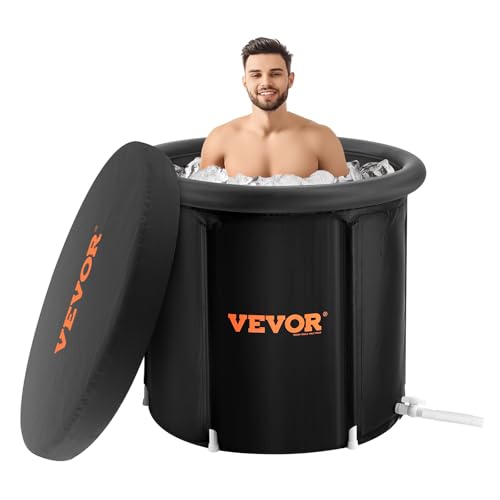
The VEVOR is the value pick for trying cold-water immersion without spending heavily. Its listed 90cm diameter and 75cm height create a deep upright tub, while the folding structure and carry bag make storage easier than with a rigid barrel.
Low price does not remove the practical work. Fabric pods need a flat, debris-free base, careful handling around sharp objects and complete drying before storage. The supplied insulation and lid may slow warming, but the result will vary sharply between a shaded winter patio and a sunny summer garden.
- Buy it if: you want a low-cost, full-size portable pod.
- Skip it if: you need a premium cover system or permanent rigid installation.
- Main compromise: strong value with basic materials and finish.
3. Replenished 370L: best dome-lid option
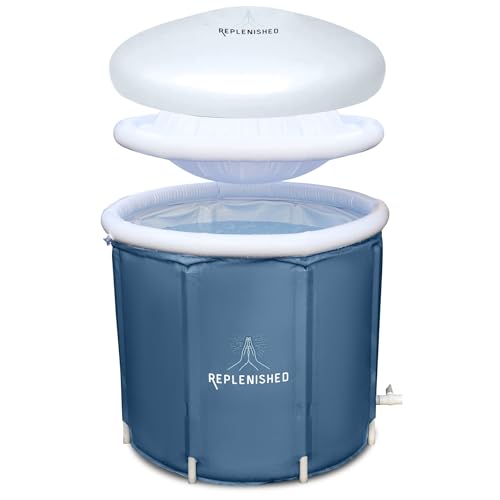
The Replenished stands out for its inflatable dome lid plus outer waterproof cover. The dome is intended to stop rainwater pooling in the centre, a useful detail for outdoor storage where a flat soft cover can sag. A thermometer is also included, though readings should be checked against a separate reliable thermometer if precise exposure matters.
The extra lid components take more setup and storage than a simple elastic cover. The tub remains manually cooled, and keeping debris out is not the same as sanitising the water. Empty, clean and refresh it on a schedule suited to use, temperature and the manufacturer’s instructions.
- Buy it if: rain shedding and a covered outdoor setup matter most.
- Skip it if: you want the fewest loose components.
- Main compromise: a more useful lid arrangement with extra parts to manage.
4. WAVYEASE Pro: best foldable option

The WAVYEASE Pro is the easiest option to shortlist when compact storage matters. Its listed 80cm by 75cm format and 3.5kg product weight make it easier to move empty than the wooden barrel, and the support-panel design aims to control sidewall bulging when filled.
Do not rely on the claimed user-height range alone. Comfort depends on hip, knee and torso proportions, not just standing height, and capacity is not clearly confirmed in the available product information. Check the current dimensions and included parts before buying, then use it on a level surface that can support the filled load.
- Buy it if: you need a pod that packs away between uses.
- Skip it if: you want verified capacity or a permanent premium-looking tub.
- Main compromise: excellent portability with less certain usable space.
5. Cheeky Chicks 500L whisky barrel: best rigid natural option
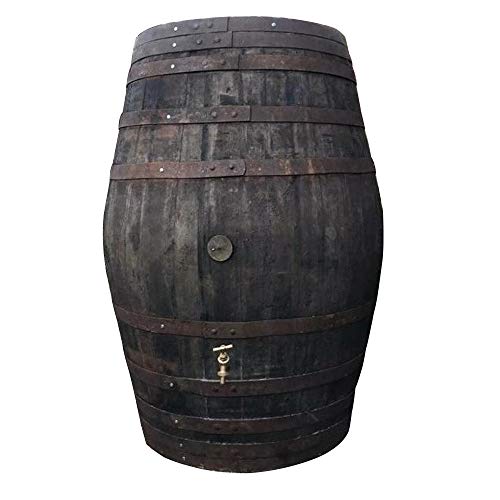
The Cheeky Chicks 500L barrel is genuinely different from the fabric pods. It is made in the UK from an old oak whisky barrel and includes a removable lid and drain tap. The rigid body looks more at home in a permanent garden setup and avoids inflatable rings and fabric support poles.
It is also the least portable choice. A 500-litre fill is heavy, the barrel itself is awkward to reposition, and natural timber can change with moisture and weather. Ask the seller about siting, initial swelling, leakage expectations, maintenance and winter care before committing.
- Buy it if: you want a permanent natural-looking garden plunge.
- Skip it if: you rent, move the tub often or need compact storage.
- Main compromise: rigid character and capacity with weight, upkeep and a high price.
Which ice bath should you buy?
Choose The Cold Pod 440L if you want the best balance of space, insulation and portable storage. The VEVOR is the sensible entry point, while the Replenished earns its place when a dome lid will make outdoor use less frustrating. Pick the WAVYEASE Pro for frequent packing away and the oak barrel only when you have a suitable permanent site.
If the attraction is recovery after training, set expectations carefully. Cold-water immersion may affect soreness and perceived recovery in some circumstances, but benefits vary with timing, exposure and training goals. It is not a cure-all, and routine use immediately after every strength session may not suit someone prioritising long-term adaptation.
Size, insulation and drainage
Measure the user and the site. Upright pods save floor space but require enough diameter for knees and hips, while a deeper fill increases both water use and total load. One litre of water weighs roughly one kilogram, so even a partially filled 370-litre pod needs a sound, level surface. Do not place a full tub on decking, balconies or suspended floors without confirming load capacity.
Insulated walls and fitted covers reduce heat transfer and keep debris out, but they do not create cold water. Shade the tub, start with cold mains water and add ice gradually while monitoring with a thermometer. Plan drainage to a suitable outlet; hundreds of litres released onto paving, lawns or near foundations can cause problems.
Cold-water safety
Cold water can trigger an involuntary gasp, rapid breathing and a sharp cardiovascular response. The British Heart Foundation guidance on cold-water swimming explains why people with heart conditions should seek medical advice and why gradual entry matters. Never plunge alone, jump straight in, hyperventilate beforehand or use cold immersion after alcohol or recreational drugs.
Start warmer and shorter than social-media routines suggest, keep your head above water and get out if breathing remains uncontrolled, you feel faint, confused, numb or unwell. The NHS hypothermia guidance lists warning signs and emergency action. Children should not use these tubs unsupervised, and anyone pregnant or managing cardiovascular, neurological or other health conditions should ask an appropriate clinician before starting.
Cleaning and water care
A cover slows contamination; it does not keep shared water hygienic. Shower first, remove visible debris, wipe the waterline and follow the manufacturer’s cleaning instructions. Empty and dry a portable tub before long storage so damp is not trapped between layers.
How often water needs changing depends on use, temperature, filtration and any approved treatment system. Do not improvise with household chemicals or assume pool-dose calculations transfer safely to a small plunge. If the water smells unusual, turns cloudy, develops a film or irritates skin, stop using it and clean the tub. Our hot tub versus cold plunge comparison helps separate the ownership demands of the two formats.
For wider planning, see our guides to outdoor electrical requirements, inflatable hot tubs, choosing a hot tub and winterisation. A cold pod uses less equipment than a hot tub, but sound siting, clean water and controlled drainage still matter.
Frequently Asked Questions
What is the best ice bath in the UK?
The Cold Pod 440L is the best all-round portable choice in this shortlist. The VEVOR is better for a tight budget, while the Cheeky Chicks barrel suits a permanent rigid garden setup.
Do these ice baths include a chiller?
No. All five are manually filled tubs without integrated refrigeration. Covers and insulated layers may slow warming, but maintaining low temperatures requires cold water, ice or a separately compatible cooling system.
How cold should an ice bath be?
There is no single suitable temperature for everyone. Start conservatively, avoid copying extreme online routines and seek clinical advice if you have a medical condition or concerns about cold exposure.
How long should you stay in a cold plunge?
Exposure should be conservative and matched to water temperature, experience and health. Leave immediately if breathing is uncontrolled or you feel faint, confused, numb or unwell.
Can you leave water in an ice bath?
Only if the manufacturer permits it and you have an appropriate cleaning and water-care routine. A lid keeps out some debris but does not sanitise water.
Are wooden ice baths better than portable pods?
Wooden barrels are rigid and suit permanent installations, but they are heavy and need maintenance. Portable pods cost less and store easily, though their fabric bodies need more protection from punctures and trapped damp.
The bottom line
The Cold Pod 440L is the best choice for most people who want a portable ice bath. Spend less on the VEVOR, choose the Replenished for its dome lid, pick the WAVYEASE Pro for storage or commit to the oak barrel for a permanent rigid setup. Whichever you choose, treat cold exposure as a safety decision—not a test of willpower.