Your hot tub is making a noise it did not make last month — a grinding, whining sound that gets louder when the jets are running. The water pressure is half what it used to be, and one side of the tub barely produces bubbles at all. You are staring down a pump replacement, which feels daunting until you realise it is one of the most common hot tub repairs and one that many owners handle themselves with basic tools and a free afternoon. For related guidance, see our Best Inflatable Hot Tubs 2026: UK Garden Tested guide. For related guidance, see our Hot Tub Water Hardness: Why It Matters guide. For related guidance, see our How to Choose a Hot Tub: The Complete UK Buyer’s Guide guide.
In This Article
- How Hot Tub Pumps Work
- Signs Your Pump Needs Replacing
- Types of Hot Tub Pumps
- How to Choose a Replacement Pump
- Our Top Picks for 2026
- Replacing a Pump Yourself vs Calling a Pro
- Other Essential Replacement Parts
- Maintenance to Extend Pump Life
- Frequently Asked Questions
How Hot Tub Pumps Work
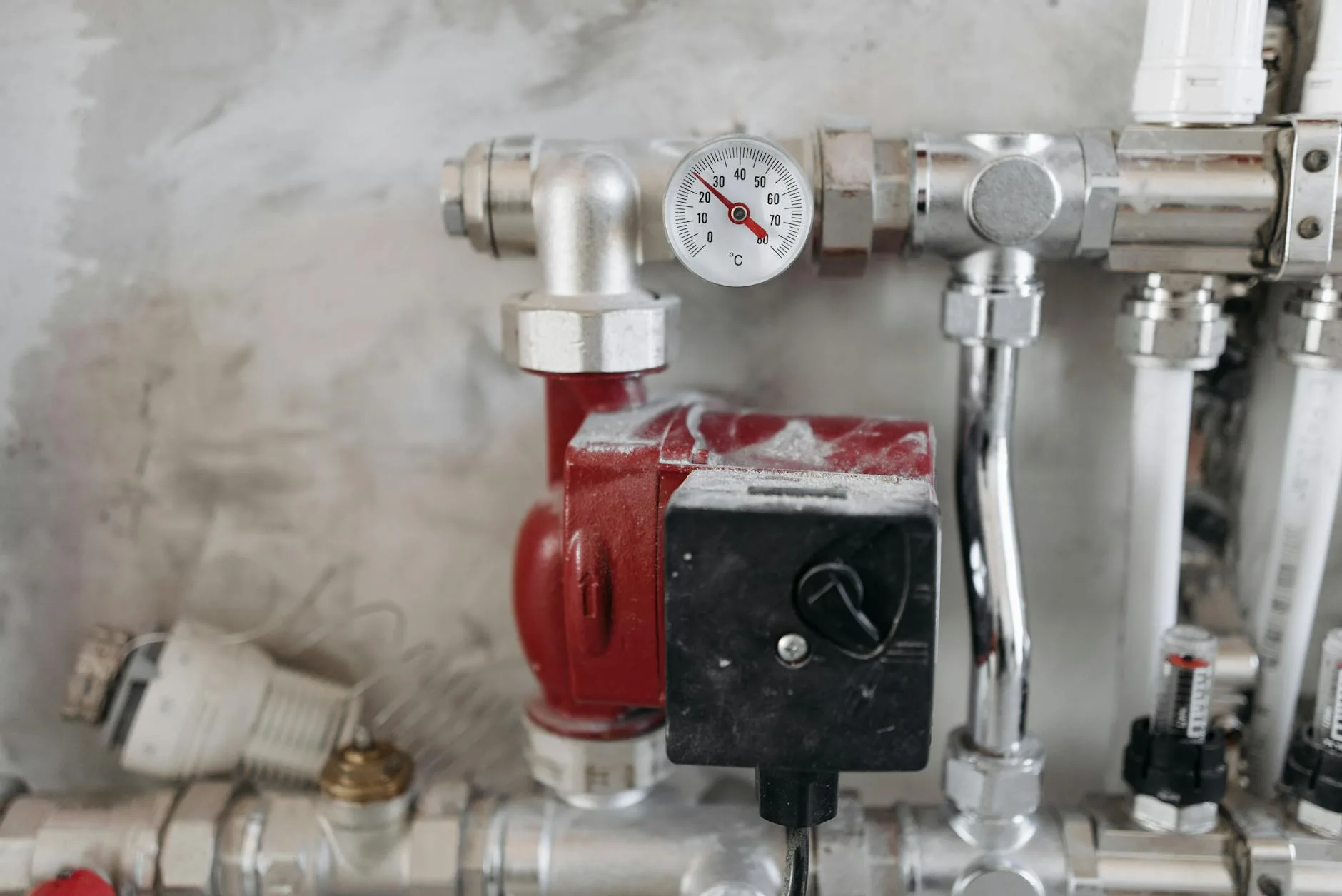
A hot tub pump is a wet-end motor — it draws water from the tub through suction fittings, pushes it through the heater and filter, then forces it back out through the jets. Without the pump, nothing circulates, nothing heats, and nothing filters. It is the heart of the system.
Single-Speed vs Dual-Speed
- Single-speed pumps — one speed for everything. Simpler, cheaper, but run at full power even when you just need gentle circulation for filtering. Louder and more expensive to operate long-term.
- Dual-speed pumps — low speed for quiet 24/7 filtration and circulation, high speed when you activate the jets for hydrotherapy. Most modern tubs use dual-speed. Low speed draws 2-3 amps; high speed draws 8-12 amps.
Circulation Pumps vs Jet Pumps
Some tubs have separate pumps for different jobs:
- Circulation pump — small, quiet, runs continuously to move water through the filter and heater. Draws 0.5-1.5 amps. Keeps water clean between uses.
- Jet pump — larger, powerful, runs only when you press the jets button. Provides the massage pressure. May have 1-3 jet pumps depending on tub size and jet count.
Knowing which pump has failed (circulation vs jets) determines what replacement you need.
Signs Your Pump Needs Replacing
Unusual Noises
- Grinding/growling — bearing failure. The most common pump death. Bearings are sealed and cannot be replaced separately on most pumps — the whole unit needs swapping.
- Screaming/squealing — dry running. The pump lost prime (no water reaching it). Could be a blockage rather than pump failure — check suction fittings first.
- Humming but not spinning — capacitor failure or seized impeller. Sometimes fixable with a new capacitor (£15-30); sometimes the motor is gone.
Performance Issues
- Reduced jet pressure — worn impeller vanes, partially blocked wet end, or failing motor windings
- Intermittent operation — motor overheating due to worn bearings, then restarting when cool. Gets progressively worse.
- Tripping the breaker — internal short in motor windings. Do NOT keep resetting — this is a safety issue. Disconnect and replace.
Age
Hot tub pumps typically last 5-10 years depending on usage, water chemistry, and maintenance. If yours is approaching 8-10 years and showing any symptoms above, replacement is more sensible than repeated repair attempts.
Types of Hot Tub Pumps
Frame Size
The most important specification. Frame size determines the physical mounting dimensions — get this wrong and the pump will not fit your tub’s equipment bay.
- 48-frame — the standard for most residential hot tubs sold in the UK. Mounting bolt pattern is 120mm × 120mm.
- 56-frame — larger motor body, used on premium or commercial tubs. More powerful but physically bigger. Mounting pattern is 140mm × 140mm.
Horsepower Ratings
Hot tub pump horsepower is confusing because manufacturers use different rating methods:
- Continuous HP — what the motor delivers under sustained load. The honest number.
- Brake HP (BHP) — theoretical maximum before any losses. Higher than continuous.
- Rated HP — what matters for replacement. Match the rated HP of your existing pump.
Most UK residential hot tubs use 1.5HP to 3HP jet pumps and 0.25HP to 0.5HP circulation pumps.
Wet End Configuration
The wet end is the water-handling portion that bolts to the motor. Key specs:
- Inlet/outlet size — typically 2-inch or 1.5-inch unions in the UK
- Discharge direction — centre discharge or side discharge (must match your plumbing layout)
- Voltage — 230V single-phase for all UK residential installations
How to Choose a Replacement Pump
Step 1: Identify Your Existing Pump
Find the label on your current pump. Note: manufacturer (LX, Waterway, Aqua-Flo), frame size, horsepower, speed (single/dual), voltage, and amperage. Take a photo — you will need this information when ordering.
Step 2: Match Critical Specs
- Frame size — must match exactly (48 or 56 frame)
- Horsepower — match or go slightly higher (1.5HP can replace 1.0HP if amperage is within your circuit’s capacity)
- Speed configuration — replace dual-speed with dual-speed, single with single (unless you are upgrading with appropriate control board changes)
- Plumbing connections — inlet and outlet diameter must match your existing pipework
- Discharge orientation — centre or side, must match your tub’s equipment bay layout
Step 3: Check Electrical Compatibility
Your pump’s amperage on high speed must not exceed your tub’s circuit breaker rating. A 13-amp pump on a 16-amp circuit is fine. A 15-amp pump on a 13-amp circuit will trip constantly. Check your consumer unit before ordering a higher-powered replacement.
Our Top Picks for 2026
Best Value: LX WP200-II (about £180)
The most common replacement pump in the UK hot tub aftermarket. 2HP dual-speed, 48-frame, 2-inch unions. Fits the majority of Chinese-manufactured hot tubs (Hot Spring, Lay-Z-Spa portables excluded). Reliable, well-documented, and parts are readily available if the wet end eventually needs servicing. Available from Hot Tub DIY, Direct Hot Tub Spares, and Amazon UK.
Best for Larger Tubs: LX LP300 (about £220)
3HP single-speed jet pump for tubs with 40+ jets that demand serious flow. 56-frame, 2.5-inch wet end. Powerful enough for dual-zone tubs where one pump feeds 20+ jets simultaneously. Louder than smaller options but the pressure is remarkable — you feel it.
Best Circulation: LX JA50 (about £85)
0.5HP circulation pump that runs continuously for filtration and heating. Whisper-quiet at normal operation — you should not hear it from outside the cabinet. Standard 48-frame mounting with 1.5-inch unions. The bearings in these smaller pumps last particularly well because the motor stress is minimal.
Best Premium: Waterway Executive (about £350)
American-manufactured pump used in premium UK hot tubs (Jacuzzi, Sundance, Master Spas). 2HP or 3HP dual-speed, 56-frame, exceptional build quality. More expensive but engineered to tighter tolerances than Chinese alternatives. If your tub came with a Waterway pump, replacing like-for-like ensures perfect fit and performance. Available from specialist dealers.
Best for Lay-Z-Spa: Bestway Replacement Pump Unit (about £150)
Lay-Z-Spa inflatable hot tubs use integrated pump/heater units rather than separate components. The Bestway official replacement is the only guaranteed-compatible option. Available direct from Bestway or Argos. Third-party alternatives exist but compatibility is inconsistent — the official unit eliminates guesswork.
Replacing a Pump Yourself vs Calling a Pro
DIY Is Feasible If
- You are comfortable isolating electrical circuits at the consumer unit
- Your equipment bay is accessible (most are — remove side panels)
- The plumbing uses standard union connections (twist-off, no permanent gluing)
- You can lift 10-15kg in an awkward position
The Basic Process
- Isolate the tub electrically at the consumer unit (not just the control panel)
- Drain the tub below the pump level (or close valves if fitted — some tubs have slice valves)
- Disconnect electrical connections from the old pump (photograph wiring first)
- Unscrew plumbing unions (have towels ready — residual water will flow)
- Unbolt the old pump from mounting brackets
- Bolt in new pump, reconnect plumbing unions (hand-tight plus quarter-turn with channel locks)
- Reconnect electrical (matching your photograph exactly)
- Fill tub, check for leaks at unions before powering on
- Prime the pump if needed (some require opening a bleed valve until water flows)
Call a Professional If
- You are not confident working with 230V electrical connections
- Your tub has hardwired (not plug-in) electrical supply requiring a Part P qualified electrician
- The plumbing is glued rather than union-connected (requires cutting and re-plumbing)
- You suspect the control board caused the pump failure (electrical surge, corroded connections)
A hot tub engineer charges £150-250 for a pump swap including labour (pump cost extra). Worth it for peace of mind if electrical work makes you nervous. The HSE electrical safety guidance is clear that working on fixed wiring requires appropriate competence.
Other Essential Replacement Parts
Pump Seals and O-Rings
The mechanical shaft seal between motor and wet end is the second most common failure point after bearings. If your pump leaks from the joint between motor and volute, you need a seal kit (£15-25) — not necessarily a whole new pump. Worth attempting before spending £200.
Impeller
The spinning component that moves water. Impellers crack, lose vanes, or corrode over years. A replacement impeller (£20-35) can restore lost pressure if the motor itself is still sound. Match the model number exactly — impellers are not interchangeable between pump brands.
Capacitor
The start/run capacitor gives the motor initial torque to begin spinning. A failed capacitor causes humming without rotation. Cheap to replace (£10-20) and a common DIY fix that saves buying a new pump. Match the microfarad (µF) and voltage rating exactly.
Filters
While you have the cabinet open, replace your hot tub filters too. Clogged filters force the pump to work harder, reducing its lifespan. A fresh filter with a new pump gives the best possible water flow from day one.

Maintenance to Extend Pump Life
Water Chemistry Matters
Incorrect pH and sanitiser levels corrode pump internals. Acidic water (below pH 7.0) attacks metal components. High calcium causes scale buildup on impellers and seals. Keep your water chemistry balanced and you protect every component in the system — pump, heater, jets, and plumbing.
Regular Filter Cleaning
A dirty filter increases back-pressure on the pump, making the motor work harder and run hotter. Rinse filters weekly, deep-clean monthly with filter cleaner solution, and replace every 12-18 months. This single habit extends pump life by years.
Avoid Dry Running
Never run your hot tub with water below the minimum level. Air entering the pump causes cavitation — the impeller spins in air/water mix, generating extreme heat and destroying seals within minutes. If you drain for maintenance, ensure the pump is off until the tub is refilled above suction fittings.
Annual Inspection
Once a year, open the equipment bay and check:
- Union connections — any drips or mineral crust indicating slow leaks
- Pump vibration mounts — rubber isolators deteriorate, causing excess noise and vibration
- Electrical connections — any discolouration, melting, or corrosion on terminals
- Motor body — rust spots suggest moisture ingress that will eventually kill the motor
Catching problems early (a small leak, a loose connection) prevents catastrophic failures that damage other components.
Frequently Asked Questions
Can I upgrade to a more powerful pump? Possibly, but with caveats. A higher HP pump needs more amperage — check your circuit breaker can handle it. Bigger pumps also push more water through plumbing designed for smaller flow rates, potentially causing leaks at weak joints. Going up one size (1.5HP to 2HP) is usually safe; doubling output is risky without plumbing assessment.
How long does a hot tub pump last? Typically 5-10 years for the jet pump and 7-12 years for circulation pumps (which work less hard). Factors that shorten life: poor water chemistry, running with clogged filters, leaving the tub uncovered (pump exposed to weather), and power surges. Proper maintenance pushes most pumps toward the 10-year end.
Why is my new pump noisier than the old one? New pumps are slightly louder until bearings seat properly (1-2 weeks of use). If noise persists, check: vibration isolation mounts are properly installed, plumbing unions are fully tightened (air leaks cause gurgling), and the pump is sitting level. LX pumps are generally louder than Waterway equivalents at the same HP.
Can I use any brand of pump as a replacement? As long as frame size, HP, speed configuration, plumbing connections, and voltage match, yes. Pump brands are largely interchangeable for the water-handling function. The control board does not “know” what brand of pump is connected — it just sends power. The one exception is Lay-Z-Spa and other integrated systems where the pump unit includes the control logic.
Is it worth repairing an old pump or just replacing it? If the failure is a seal or capacitor (£15-30 fix), repair is worthwhile. If bearings have gone (grinding noise), replacement is better — bearing noise means the motor is approaching end of life anyway. At the 8-year mark, replace rather than repair regardless — you avoid a second failure six months later.