Hot tub water chemistry sounds intimidating — pH levels, alkalinity, sanitisers, shock treatments — but the reality is much simpler than the jargon suggests. If you can follow a recipe, you can manage hot tub water. This guide explains everything a new hot tub owner needs to know about keeping their water clean, safe, and crystal clear. We’ll cover what chemicals you actually need (it’s fewer than you think), how to test and adjust your water, and the routine that keeps everything balanced with minimal effort. Whether you’ve got an inflatable Lay-Z-Spa or a rigid hot tub, the principles are identical.
Why Water Chemistry Matters
Before we get into the how, it’s worth understanding the why. A hot tub creates a perfect environment for bacteria: warm water, organic matter (skin cells, body oils, cosmetics), and lots of moisture. If you’re still deciding on a tub, our guide to choosing a hot tub covers the water management systems different brands offer. Without proper chemical treatment, that water becomes a breeding ground for things you really don’t want to soak in — including Pseudomonas (which causes “hot tub folliculitis,” an unpleasant skin rash) and Legionella (which causes Legionnaires’ disease, a serious form of pneumonia).
This isn’t meant to scare you. Properly maintained hot tub water is perfectly safe — the Health and Safety Executive confirms that well-maintained private hot tubs pose minimal risk. But “properly maintained” is the key phrase. Skipping chemical treatment for a few days, or letting levels drift out of range, creates conditions where harmful bacteria can multiply rapidly. In warm water (30-40°C), bacterial growth can double every 20 minutes. That’s why consistent, regular water management is non-negotiable.
Beyond health, water chemistry also affects your hot tub equipment. Water that’s too acidic corrodes metal components and degrades rubber seals. Water that’s too alkaline causes scale buildup that clogs jets and reduces heater efficiency. Getting the chemistry right protects both you and your investment.
The Three Things You Need to Test (and Only Three)
For a beginner, water chemistry boils down to three measurements. Get these right and everything else falls into place.
- Sanitiser level — This is the chemical that kills bacteria. You’ll use either chlorine or bromine (more on the choice below). The level needs to stay within a specific range to be effective without causing irritation.
- pH level — This measures how acidic or alkaline your water is, on a scale of 0-14 where 7 is neutral. Hot tub water should be kept between 7.2 and 7.6. This range ensures your sanitiser works effectively and the water is comfortable on your skin and eyes.
- Total alkalinity — This acts as a buffer that prevents pH from swinging wildly. It should be between 80 and 120 ppm (parts per million). If alkalinity is in range, pH tends to stay stable too.
That’s it. Three numbers. Some guides will tell you about calcium hardness, total dissolved solids, and various other measurements. These matter for commercial installations and rigid hot tubs over long periods, but for a domestic inflatable hot tub that you’re draining every 4-8 weeks, the three measurements above are all you need to worry about.
Chlorine vs Bromine: Which Sanitiser to Choose
This is the first real decision you’ll make, and opinions on it border on religious. Here’s the unbiased breakdown:
Chlorine
Chlorine is the most common hot tub sanitiser in the UK. It’s effective, affordable, widely available, and easy to use. For hot tubs, you’ll use chlorine granules (sodium dichloro-s-triazinetrione, if you enjoy chemical names) rather than the liquid or tablet forms used in swimming pools.
Target chlorine level: 3-5 ppm (parts per million).
- Pros: Cheap (a 1kg tub costs around £8-12 and lasts months), fast-acting, widely available from any pool/spa shop, Amazon, or even some supermarkets. Easy to adjust — add a little, wait 15 minutes, test again.
- Cons: The classic “chlorine smell” (actually caused by chloramines — chlorine combined with organic matter, not free chlorine itself). Can cause skin and eye irritation in some people if levels are too high. Breaks down faster in warm water, so you may need to dose more frequently than with bromine.
Bromine
Bromine is the other major option and is often preferred by hot tub owners who find chlorine irritating. It works in the same way — killing bacteria and oxidising contaminants — but has some different characteristics.
Target bromine level: 3-5 ppm.
- Pros: Less odour than chlorine. Gentler on skin and eyes for most people. More stable at higher temperatures (hot tub water is warmer than pool water, which favours bromine). Remains effective over a wider pH range, giving you more margin for error.
- Cons: More expensive than chlorine (roughly double the cost). Slower-acting — takes longer to bring levels up after a soak. Usually sold as tablets that dissolve in a floating dispenser, giving you less precise control than chlorine granules. Can cause a musty smell if levels get too high.
Our recommendation for beginners: start with chlorine granules. From our testing across multiple tub setups, they’re cheaper, faster to work with, and the control you get from adding measured doses gives you a better feel for how water chemistry works. If you find chlorine irritates your skin, switch to bromine — it’s an easy transition.
Your Essential Chemical Kit
Here’s exactly what you need to buy to maintain a hot tub. Nothing more, nothing less. You can buy these individually or in starter kits; kits are slightly better value but check they contain the right items rather than padding the box with things you don’t need.
- Chlorine granules or bromine tablets — Your primary sanitiser. One tub will last months. Around £8-15.
- pH reducer (pH minus) — Sodium bisulphate. Used when pH is above 7.6. This is the adjustment you’ll make most often, as hot tub water naturally drifts upward in pH. Around £8-10.
- pH increaser (pH plus) — Sodium carbonate. Used when pH drops below 7.2. Needed less often than pH reducer but good to have on hand. Around £8-10.
- Non-chlorine shock (oxidiser) — Potassium peroxymonosulphate. Used weekly or after heavy use to oxidise contaminants that the sanitiser has dealt with but that remain in the water as waste. This is what keeps the water clear and prevents that “hot tub smell.” Around £10-15.
- Test strips — Quick-dip strips that show your sanitiser level, pH, and alkalinity in about 15 seconds. A 50-pack costs around £8-12 and lasts a couple of months. Test before every use.
- Foam reducer (optional but useful) — A small bottle of anti-foam solution (around £6) is handy if your water starts producing excessive foam, usually caused by body products washing off into the water.
Total cost for a full chemical starter kit: approximately £50-70. This will last a couple of months of regular use. Ongoing costs are around £15-25 per month depending on how often you use the tub and how many people use it.
The Weekly Routine: 10 Minutes to Crystal Clear Water
Here’s the routine that keeps hot tub water in perfect condition. Once you’ve done it a few times, it becomes automatic — about 10 minutes of actual effort per week, spread across a few days.
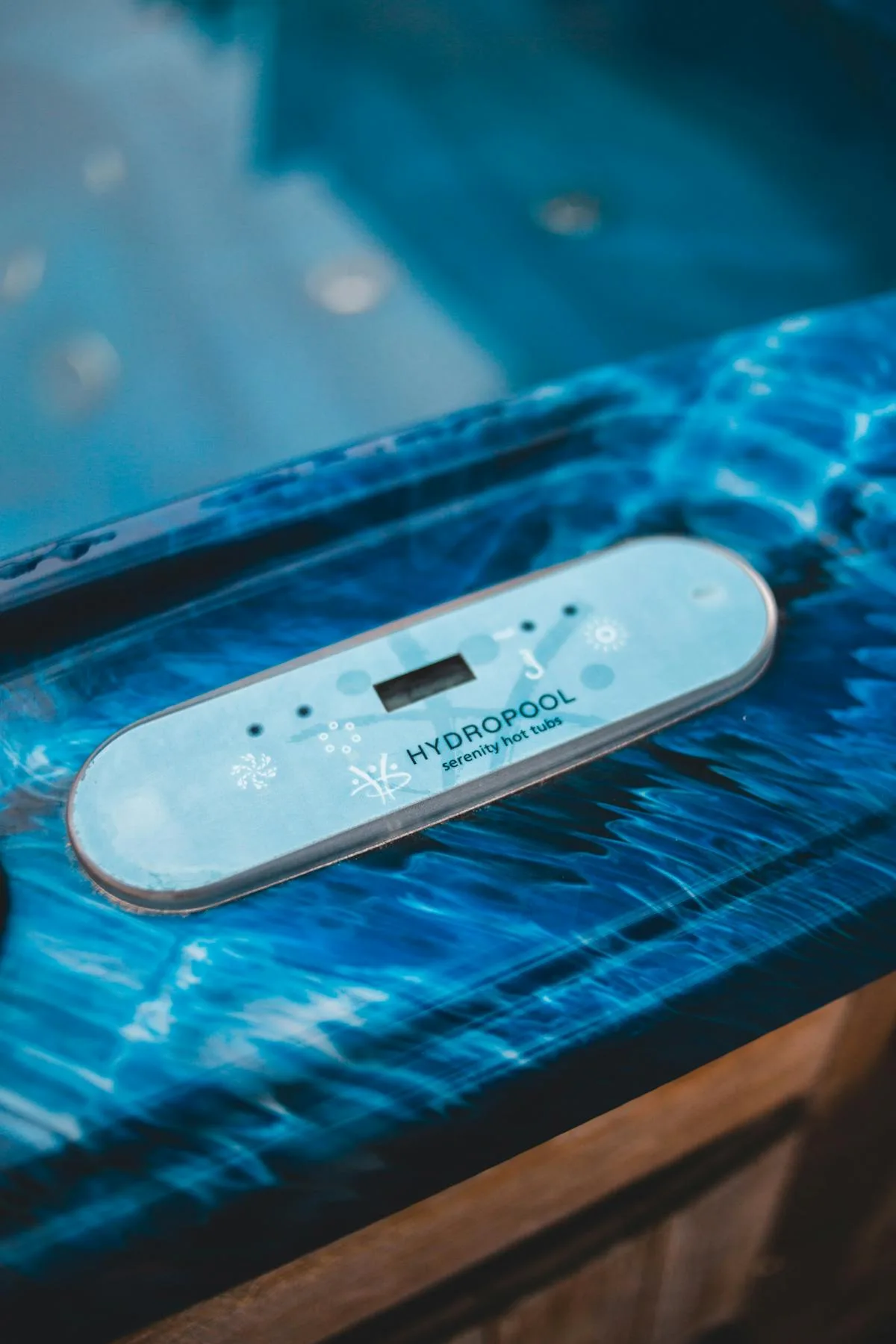
Before Every Use (2 minutes)
- Test the water — Dip a test strip, wait 15 seconds, compare colours to the chart. Check sanitiser (3-5 ppm), pH (7.2-7.6), and alkalinity (80-120 ppm).
- Adjust sanitiser if needed — If chlorine is below 3 ppm, add a small amount of granules (usually about half a teaspoon for a typical inflatable tub — your product label will give exact dosing). Sprinkle directly into the water with the jets running and wait 15 minutes before entering.
- Adjust pH if needed — If pH is outside the 7.2-7.6 range, add pH plus or pH minus as needed. Always add chemicals with the pump running to ensure distribution. Retest after 30 minutes.
After Every Use (1 minute)
- Add sanitiser — Add a maintenance dose of chlorine granules or ensure your bromine dispenser is working. Every bather introduces contaminants (body oils, skin cells, cosmetics, sunscreen) that consume sanitiser.
- Replace the cover properly — Make sure the thermal cover and inflatable lid are in place to retain heat and keep debris out.
Weekly (5-10 minutes)
- Shock the water — Add non-chlorine shock according to the product dosing instructions. This oxidises accumulated contaminants and refreshes the water. Run the jets for 15 minutes with the cover off after shocking. If possible, shock in the evening and leave the cover off for 30 minutes to allow gases to dissipate.
- Clean the filter — Remove the filter cartridge, rinse it thoroughly with a garden hose, and inspect for damage. If it’s discoloured or slimy even after rinsing, replace it. Having two filters and rotating them (one in use, one drying) extends their life and ensures you always have a clean one ready.
- Wipe the waterline — A quick wipe around the waterline with a soft cloth removes the oily scum that accumulates from body products. This prevents a visible “ring” forming and keeps the water looking fresh.
Every 4-8 Weeks
- Drain, clean, and refill — No amount of chemical treatment keeps water fresh forever. Total dissolved solids (accumulated minerals and contaminants) build up over time and make balancing increasingly difficult. Drain the tub, wipe down the interior with a soft cloth and diluted white vinegar (no abrasive cleaners), rinse thoroughly, and refill with fresh water.
- Deep clean the filter — Soak the filter overnight in a filter cleaning solution (available from any hot tub supplier, around £8 per bottle). This removes embedded oils and minerals that rinsing alone can’t shift.
Troubleshooting Common Water Problems
Even with good maintenance, water issues pop up occasionally. Here’s how to diagnose and fix the most common ones.
Cloudy Water
The most common complaint, and usually the easiest to fix. Cloudy water is typically caused by one of three things:
- Low sanitiser — Test and adjust chlorine/bromine to the correct range. If it’s been low for a while, do a shock treatment.
- Dirty filter — A clogged filter can’t clean the water. Remove, rinse, and replace if necessary.
- High pH or alkalinity — Water above pH 7.8 can turn cloudy. Adjust with pH reducer.
If all three are correct and the water is still cloudy, try a water clarifier product (around £8). This causes tiny suspended particles to clump together so the filter can catch them. If the problem persists, drain and refill — sometimes the water is simply spent.
Foamy Water
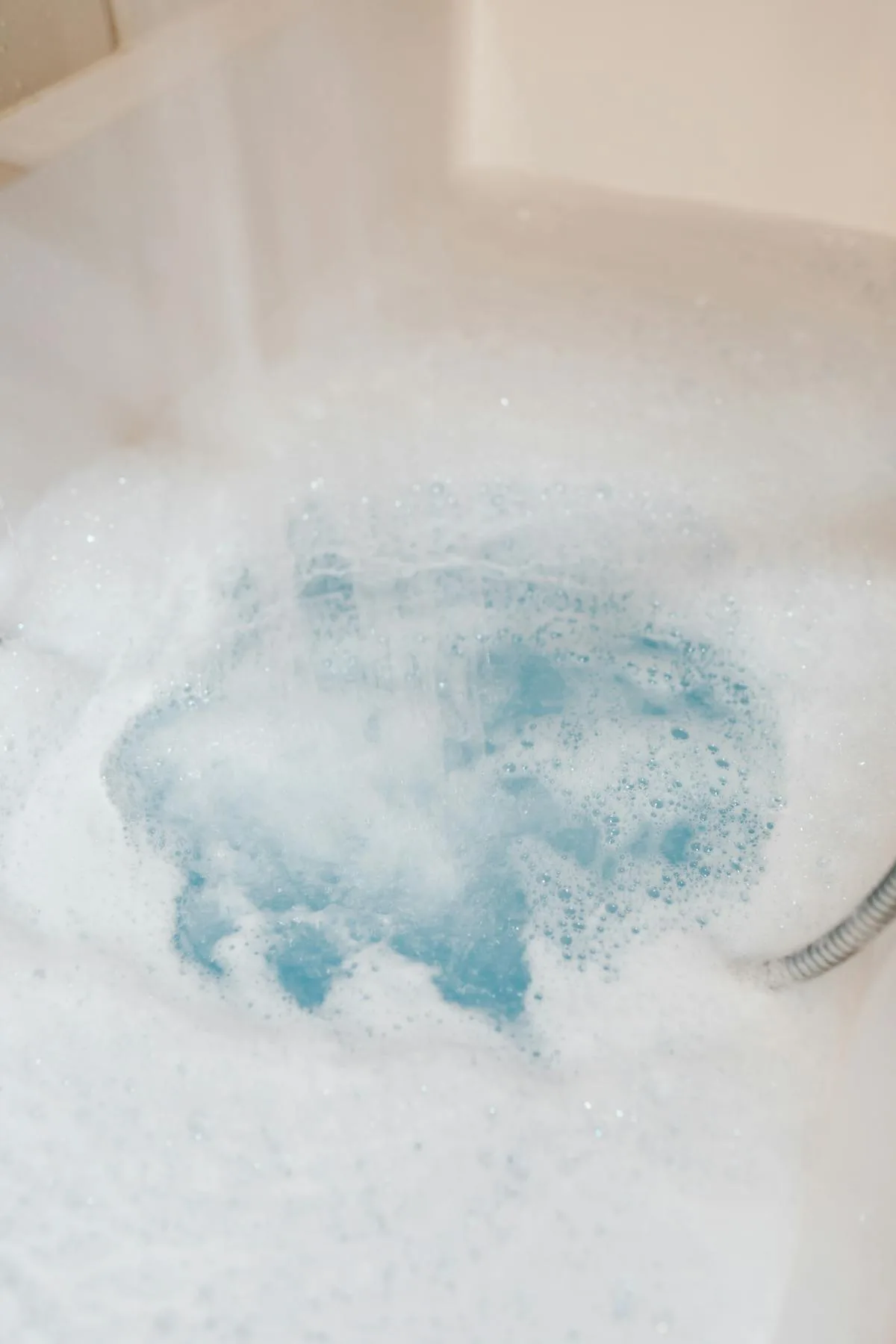
Foam is caused by surfactants in the water — typically from body lotions, shampoo residue, laundry detergent on swimwear, or cheap chemicals. To fix it immediately, add a capful of foam reducer. To prevent it, shower before using the tub and wash swimwear in plain water (no detergent) before wearing it in the hot tub. If foam is a persistent problem, it usually means the water has accumulated too many dissolved solids and needs draining and replacing. For related guidance, see our Hot Tub Water Hardness: Why It Matters guide.
Strong Chemical Smell
Counterintuitively, a strong “chlorine” smell usually means you need more chlorine, not less. The smell comes from chloramines — spent chlorine that has combined with organic waste but hasn’t been fully eliminated. A shock treatment breaks down chloramines and should resolve the smell within a few hours. Good ventilation (leave the cover off for 30 minutes after shocking) helps dissipate the odour.
Green Water
Green water indicates algae growth, which means your sanitiser level has dropped to near zero for an extended period. This requires aggressive treatment: shock the water with a double dose of oxidiser, run the jets for 30 minutes, and check that your sanitiser is back in range. Clean or replace the filter. If the water doesn’t clear within 24 hours, drain and start fresh — fighting established algae is more effort and chemical cost than replacing the water. For related guidance, see our Salt Water vs Chlorine Hot Tubs: Pros & Cons guide.
Water Chemistry for Hard Water Areas
Much of England, particularly the south and east, has hard water. Hard water is high in dissolved calcium and magnesium, which can cause scale buildup on your hot tub’s heater element and jets. This reduces heating efficiency and can eventually damage equipment.
If you’re in a hard water area (check with your water supplier — most have a postcode checker on their website), consider using a pre-filter when filling your tub. These screw-on filters (around £15 each, lasting 2-3 fills) attach to your garden hose and remove much of the calcium before it enters the tub. It’s cheaper and easier than treating hardness after filling. For related guidance, see our Best Hot Tub Chemicals Starter Kit guide.
If you notice white, chalky deposits forming on the walls of your tub or around the jets, that’s scale. A dedicated scale inhibitor product (around £8-10) added during filling prevents further buildup. For existing scale, drain the tub and wipe the deposits with white vinegar on a soft cloth — it dissolves limescale effectively without damaging the tub material.
Safety Notes
A few important safety points about handling hot tub chemicals:
- Never mix chemicals — Don’t mix different chemicals together before adding them to the water, and don’t add multiple chemicals at the same time. Add one, let it circulate, then add the next. Some combinations can produce toxic gases or violent reactions.
- Store chemicals properly — Keep all chemicals in a cool, dry place out of direct sunlight. Keep lids tightly closed and store different chemicals apart from each other. Keep out of reach of children and pets.
- Use the right chemicals — Only use chemicals specifically designed for hot tubs or swimming pools. Household bleach, cleaning products, or pool chemicals not rated for hot tub temperatures can cause damage or be unsafe.
- Wash hands after handling — Chlorine granules and pH adjusters are irritants. Always wash your hands after handling chemicals and avoid touching your face or eyes.
- Don’t enter immediately after adding chemicals — Wait at least 15-30 minutes after adding chemicals before using the tub. Run the jets to distribute the chemicals and test the levels before entering.
Where to Buy Hot Tub Chemicals in the UK
You have several good options for buying chemicals in the UK:
- Amazon — Widest selection, competitive prices, and convenient delivery. Brands like Clearwater and Happy Hot Tubs are popular and reliable. Good for bulk buying.
- Hot tub specialists — Online retailers like Hot Tub Suppliers, All Swim, and The Hot Tub Superstore offer chemicals alongside expert advice. Useful when you’re starting out and want guidance.
- Argos / B&Q / Homebase — Stock basic chemical kits, particularly during summer. Convenient for top-up purchases but limited range.
- Lay-Z-Spa direct — Bestway sells branded chemicals through their website. They’re fine but typically more expensive than generic equivalents that work identically.
Branded chemicals (Lay-Z-Spa, Clearwater, etc.) and generic pool/spa chemicals (sold by weight as “chlorine granules” or “pH minus”) contain exactly the same active ingredients. Don’t pay a premium for branding unless you specifically want the convenience of a pre-portioned product. For related guidance, see our How to Fix Cloudy Hot Tub Water guide.
The Bottom Line
Hot tub water chemistry is simple once you understand the basics. Test before each use, keep your sanitiser and pH in range, shock weekly, and clean your filter regularly. That’s genuinely all there is to it. The routine takes about 10 minutes per week and costs around £15-25 per month in chemicals — a small price for clean, safe, crystal-clear water that you can soak in with confidence.
Don’t let the science put you off. Millions of hot tub owners manage their water with nothing more than test strips, a few basic chemicals, and a simple weekly routine. We found that most new owners get the hang of it within the first fortnight. Start with chlorine granules, a pH reducer, non-chlorine shock, and test strips. Test your water, make small adjustments, and within a week you’ll have a feel for how your specific tub behaves.
The golden rule of hot tub water care: little and often beats neglect and panic. A small dose of chlorine after each use and a quick test before each soak is infinitely easier than trying to rescue water that’s turned green because you forgot about it for a fortnight. Stay on top of it, and your water will stay perfect — leaving you free to enjoy the actual point of owning a hot tub: sitting in it.
Frequently Asked Questions
How often should I test hot tub water? Test pH and sanitiser before each soak, or at least three times a week during regular use. Small hot tubs can drift quickly because the water volume is low.
What is the safest hot tub sanitiser? Chlorine and bromine are both widely used when maintained at the right level. Bromine is often gentler in hot water, while chlorine is cheaper and easier to find.
Why does hot tub water go cloudy? Cloudiness usually comes from low sanitiser, high pH, dirty filters or heavy bather load. Balance the water, clean the filter and shock the tub before using it again.
What should I check first with Hot Tub Chemicals for Beginners: Keep Your Water Crystal Clear? Start with the real use case, then check size, compatibility, running costs and maintenance. A product that looks good on paper can still be the wrong fit if it does not suit the room, routine or budget.
How do I avoid wasting money on Hot Tub Chemicals for Beginners: Keep Your Water Crystal Clear? Avoid buying on one headline feature alone. Compare the practical details, read the warranty or returns terms, and choose the option that solves your main problem rather than the one with the longest specification list.