You’ve been soaking in your hot tub three times a week for a year, your back has never felt better, and now your Instagram feed is full of people dunking themselves in ice baths and claiming it’s changed their life. Cold plunging is everywhere — Wim Hof, Joe Rogan, half the Premier League. You’re curious, but also suspicious. Is it actually good for you, or is this just another wellness fad?
Here’s the honest answer: both hot tubs and cold plunges have real, evidence-backed health benefits, but they work in completely different ways and serve different purposes. This isn’t an either-or decision for most people — they complement each other brilliantly. But if you’re buying one or the other, the right choice depends on what you’re trying to achieve. For related guidance, see our Best Ice Baths & Cold Plunge Tubs 2026 UK guide. For related guidance, see our How to Choose a Hot Tub: The Complete UK Buyer’s Guide guide.
In This Article
- How Hot Water Therapy Works
- How Cold Water Therapy Works
- Health Benefits Compared
- Mental Health and Mood
- Recovery and Exercise
- Who Should Avoid Each
- Contrast Therapy: Using Both
- Cold Plunge Options in the UK
- Hot Tub vs Cold Plunge: Running Costs
- Space and Installation
- Which Should You Buy?
- Frequently Asked Questions
How Hot Water Therapy Works
When you sit in water above 37°C (body temperature), your blood vessels dilate — they widen, allowing more blood to flow through them. Your heart rate increases slightly (similar to a gentle walk), blood pressure drops temporarily, and blood flow to muscles, joints, and skin increases. This is vasodilation, and it’s the mechanism behind most of a hot tub’s health benefits.
What Happens in Your Body
- Core temperature rises — your body works to cool itself, burning a small number of additional calories
- Muscles relax — reduced muscle tension from the combination of heat and buoyancy
- Endorphin release — the warmth triggers your body’s natural feel-good chemicals
- Cortisol reduction — stress hormones decrease after 15-20 minutes of immersion
- Joint decompression — buoyancy takes up to 90% of your body weight off your joints
The Ideal Temperature
Most hot tubs run at 37-40°C. Research from the NHS physiotherapy guidelines suggests that 38-39°C provides the best therapeutic balance — warm enough for benefits without overheating. Going above 40°C increases the risk of overheating and is not recommended for sessions longer than 15 minutes.
How Cold Water Therapy Works
Cold plunging triggers the opposite physiological response: vasoconstriction. Your blood vessels narrow, pushing blood away from the skin and extremities toward your core organs. When you get out, the vessels dilate rapidly, creating a powerful flush of blood back through your system.
What Happens in Your Body
- Noradrenaline spike — cold exposure triggers a 200-300% increase in noradrenaline, a neurotransmitter linked to alertness, focus, and mood elevation. This is the “buzz” cold plungers describe.
- Reduced inflammation — constricted blood vessels reduce swelling and inflammatory markers in muscles and joints
- Brown fat activation — repeated cold exposure increases brown adipose tissue activity, which burns calories to generate heat
- Vagus nerve stimulation — cold water on the face and chest activates the vagus nerve, which helps regulate your parasympathetic nervous system (the “rest and digest” system)
- Immune response — some studies suggest regular cold exposure increases white blood cell count, though the evidence is still emerging
The Ideal Temperature
Effective cold plunging starts at 15°C and below. Most dedicated cold plungers aim for 2-10°C. Under 5°C is intense and not recommended for beginners — start at 10-15°C and work down gradually over weeks. Sessions should be 2-5 minutes at these temperatures. If you’re spending 20 minutes in a cold plunge, the water isn’t cold enough to be doing much.
Health Benefits Compared
Pain Relief
Hot tub wins. Warm water is the established treatment for chronic pain conditions — arthritis, fibromyalgia, lower back pain, muscle tension. The combination of heat, buoyancy, and hydrostatic pressure reduces pain perception and increases mobility. After a year of regular hot tub use, the improvement in my lower back stiffness has been more noticeable than any other intervention, including physio exercises.
Cold plunging provides temporary pain relief through numbing, but it doesn’t address the underlying mechanisms the way sustained warmth does.
Inflammation
Cold plunge wins. If you have acute inflammation — a swollen joint, a fresh injury, post-exercise soreness — cold water reduces swelling faster and more reliably than heat. This is why ice baths have been standard in professional sport for decades.
For chronic inflammation (the low-grade systemic kind linked to autoimmune conditions and ageing), the evidence is less clear, though regular cold exposure shows promise in reducing inflammatory markers like IL-6 and C-reactive protein.
Sleep Quality
Hot tub wins. A 20-minute soak 1-2 hours before bed has been shown to improve sleep onset and sleep quality. The mechanism is simple: your body temperature rises in the tub and then drops after you get out. This temperature drop signals to your brain that it’s time to sleep — the same natural process that happens as part of your circadian rhythm. Research published in Sleep Medicine Reviews found that warm bathing 1-2 hours before bed reduced the time to fall asleep by an average of 10 minutes.
Cold plunging before bed is a bad idea. The noradrenaline spike makes you alert and energised — the opposite of what you want at 10pm.
Cardiovascular Health
Both beneficial, different mechanisms. Hot water therapy improves circulation and has been linked to reduced risk of cardiovascular events in a large Finnish study. Cold plunging strengthens cardiovascular adaptation through repeated vasoconstriction and dilation. If you already have heart conditions, consult your GP before either — both put stress on the cardiovascular system.
Mental Health and Mood
Hot Tub: The Relaxation Effect
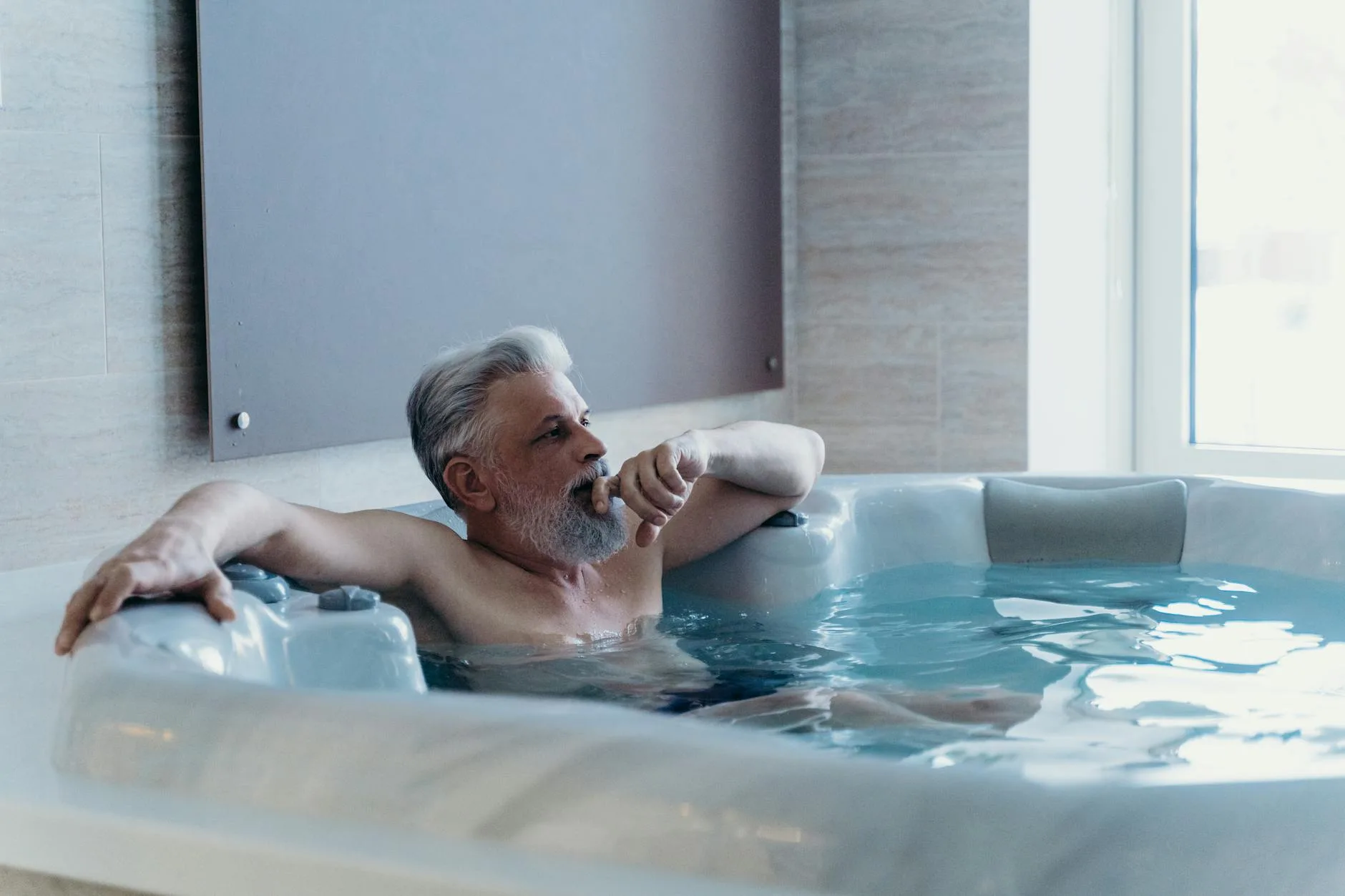
The mood benefits of hot tubs are primarily about relaxation. Lower cortisol, higher endorphins, muscle relaxation, and the ritual of taking time out from your day all contribute to reduced anxiety and improved mood. It’s gentle, cumulative, and pleasant. Nobody dreads getting into a hot tub.
Cold Plunge: The Adrenaline Effect
The mood benefits of cold plunging are more dramatic and immediate. The noradrenaline spike creates a feeling of alertness, energy, and mild euphoria that can last 2-3 hours. Regular cold plungers describe it as a natural “reset button” — anxiety drops, mental clarity sharpens, and there’s a sense of accomplishment from voluntarily doing something uncomfortable.
A 2023 study published in Biology found that a single cold water immersion at 10°C increased participants’ reported mood, energy, and alertness for several hours afterwards. The effect was most pronounced in people with mild depression or anxiety.
Which Is Better for Mental Health?
Different problems, different solutions. If you struggle with chronic stress, tension, and difficulty switching off, a hot tub is your tool. If you struggle with low energy, brain fog, mild depression, or motivational inertia, cold plunging is worth trying. Many people find the combination — hot tub in the evening for relaxation, cold plunge in the morning for energy — covers both bases. If you’re already a hot tub owner and considering how to insulate your setup for winter, the good news is that a well-maintained hot tub provides these benefits year-round.
Recovery and Exercise
Post-Workout: Cold Wins (Mostly)
Cold water immersion after exercise reduces delayed-onset muscle soreness (DOMS) and speeds recovery. This is well-established — professional athletes have used ice baths for decades. A meta-analysis published in the Journal of Physiology found that cold water immersion at 10-15°C for 10-15 minutes after exercise reduced muscle soreness by 20% compared to passive recovery.
However, there’s a catch: cold exposure immediately after strength training may blunt muscle growth. The inflammation that cold water suppresses is actually part of the muscle-building process. If your goal is hypertrophy (building muscle size), avoid cold plunging for 4-6 hours after lifting weights. For endurance athletes, cold recovery has fewer downsides.
Pre-Workout: Hot Wins
A short hot tub session (10-15 minutes) before exercise warms up muscles, increases blood flow, and improves joint mobility. This is particularly useful in winter when starting exercise from cold. Many sports physiotherapists recommend warm water immersion as a pre-session warm-up for people with joint conditions.
The Professional Approach
Elite athletes typically use both: warm-up in heat, train, recover in cold. For home users, the practical version is a hot tub soak before morning exercise and a cold shower or plunge after evening training. If you’re choosing hot tub chemicals for the first time, knowing your usage pattern helps you plan water maintenance around training schedules.
Who Should Avoid Each
Hot Tubs: Avoid If…
- Pregnant — the NHS advises pregnant women to avoid hot tubs, especially in the first trimester, due to the risk of overheating and its effects on foetal development
- Heart conditions — consult your GP first. The vasodilation and increased heart rate can be dangerous for some conditions.
- Low blood pressure — hot water can drop blood pressure further, causing dizziness or fainting
- Open wounds or skin infections — hot tub water, even when properly treated, can worsen these
- Under the influence of alcohol — impaired judgement and the combined dehydrating effects of alcohol and hot water are a genuinely dangerous combination
Cold Plunges: Avoid If…
- Heart conditions — the sudden vasoconstriction causes a sharp blood pressure spike. Cold water immersion has triggered cardiac events in people with underlying conditions.
- Raynaud’s disease — cold exposure worsens symptoms and can cause painful episodes
- Epilepsy — cold shock can trigger seizures in some people
- During pregnancy — insufficient safety data; best avoided
- If you have a respiratory condition — the cold shock response (involuntary gasping) can be dangerous for people with severe asthma or COPD
Contrast Therapy: Using Both
Contrast therapy — alternating between hot and cold — is gaining serious traction in both clinical and sports settings. The theory is that rapid cycling between vasodilation and vasoconstriction creates a “pumping” action in the blood vessels, flushing metabolic waste products and delivering fresh, oxygenated blood to muscles and joints.
How to Do It Safely
- Start in the hot tub at 38-40°C for 3-5 minutes
- Move to the cold plunge at 5-15°C for 1-2 minutes
- Repeat 3-4 cycles
- Always end on cold if your goal is recovery and alertness
- Always end on hot if your goal is relaxation and sleep
Does It Actually Work?
The evidence is promising but not conclusive. A systematic review in the International Journal of Sports Medicine found that contrast water therapy was more effective than passive recovery for reducing muscle soreness, but not conclusively better than cold water immersion alone. Anecdotally, the people who do it swear by it. If you have access to both, it’s worth trying — the worst case is a pleasantly weird 20 minutes.
Cold Plunge Options in the UK
Dedicated Cold Plunge Tubs
Purpose-built cold plunge tubs with chilling units maintain water at a set temperature. They’re the most convenient option but also the most expensive.
- Brass Monkey Ice Bath (about £3,000-5,000) — UK-made, insulated, with a built-in chiller. The most popular premium option in the UK. Keeps water at your chosen temperature 24/7.
- The Pod Company Ice Pod (about £1,500-2,500) — smaller, more affordable, still has active chilling. Good for gardens with limited space.
- Lumi Recovery (about £4,000-6,000) — luxury option with app control and precise temperature management.
Budget Options
- Chest freezer conversion (£150-300) — buy a used chest freezer, fill it with water, set the thermostat to your desired temperature. The underground favourite of the cold plunge community. It works, it’s cheap, and it’s ugly. Use a timer plug to run the compressor only when needed.
- Inflatable ice baths (£30-80) — basically a portable tub you fill with cold water and ice. No chilling unit, so the water warms up after 10-15 minutes. Fine for occasional use, impractical for daily plunging in summer when tap water isn’t cold enough.
- Cold showers — free. Not as effective as full immersion (you don’t get the hydrostatic pressure), but a 2-3 minute cold shower still triggers the noradrenaline response. The perfect starting point for beginners.
Natural Options
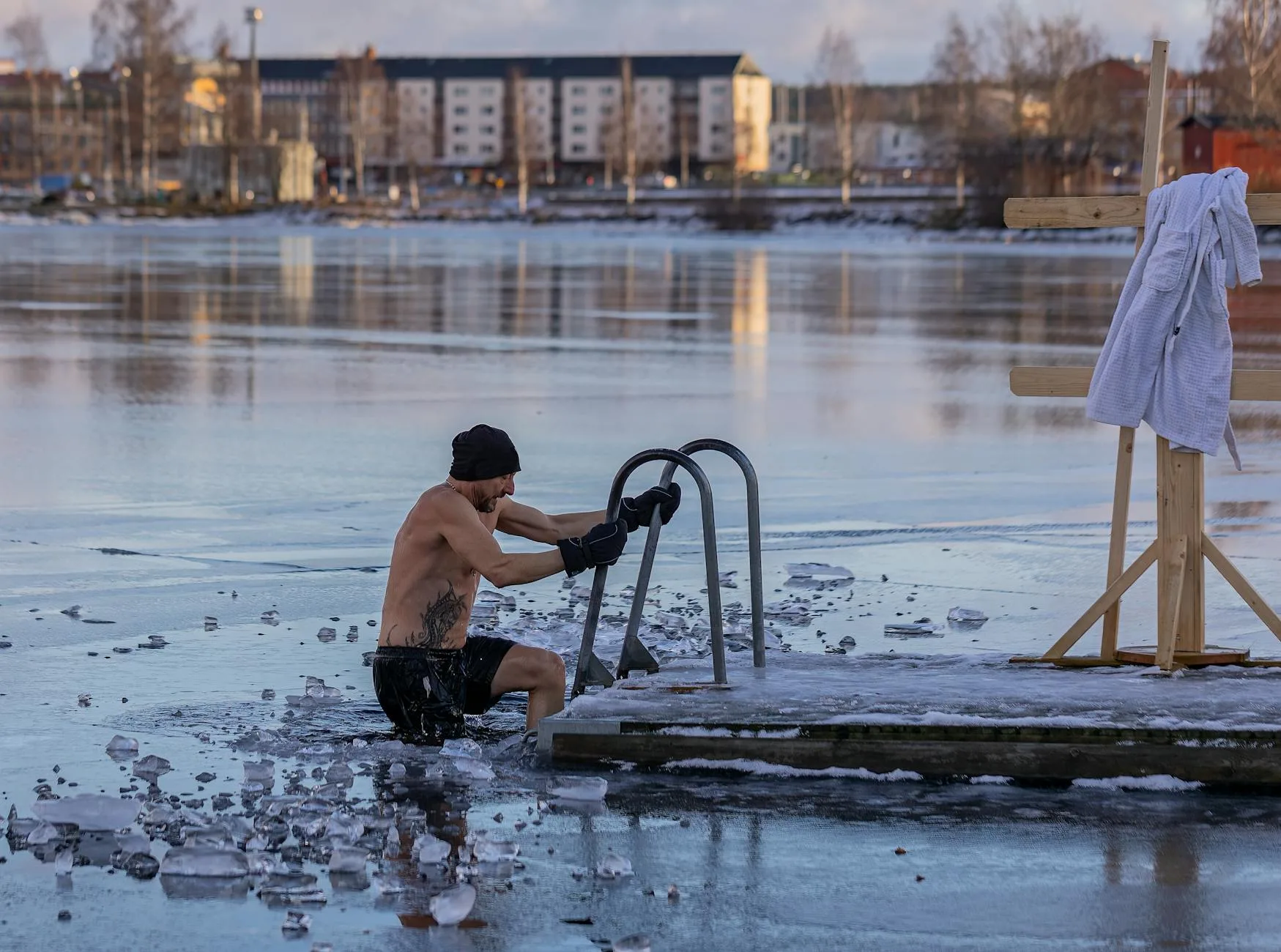
The UK is full of lakes, rivers, and the sea. Wild swimming and open water swimming communities are thriving, and the cold water benefits are identical. The Outdoor Swimming Society is a good starting point for finding safe swimming spots near you. Always swim with someone else, know the water conditions, and acclimatise gradually.
Hot Tub vs Cold Plunge: Running Costs
Hot Tub
- Electricity: £30-60/month depending on insulation quality, ambient temperature, and usage. A well-insulated modern hot tub in the UK costs about £1-2 per day. Checking hot tub energy ratings before buying can save hundreds per year.
- Chemicals: £15-25/month for chlorine/bromine, pH adjusters, and shock treatments
- Water: refill every 3-4 months, about £10-15 per fill
- Annual total: roughly £600-1,000
Cold Plunge (with Chiller)
- Electricity: £20-40/month for the chilling unit (less in winter when ambient temperatures help)
- Chemicals: minimal — cold water inhibits bacterial growth, but basic water treatment is still needed (£5-10/month)
- Water: change monthly or as needed (smaller volume = cheaper)
- Annual total: roughly £300-600
Cold Plunge (Without Chiller)
- Ice costs: £2-5 per session if buying bags of ice (adds up fast — £60-150/month for daily use)
- Better option: use tap water in winter (UK mains water is 5-10°C from November to March) and accept that summer plunging needs ice or a chiller
Space and Installation
Hot Tub
- Floor space: 2m x 2m minimum for a 4-person tub, plus 1m access clearance on at least two sides
- Base: level concrete pad, reinforced decking, or purpose-built base. A filled hot tub weighs 1,500-2,000kg.
- Electrics: dedicated 32A or 13A supply depending on the model
- Drainage: nearby drain or garden area for emptying
- Planning: no planning permission needed in most cases (check council rules for listed buildings)
Cold Plunge
- Floor space: 1m x 0.6m for a single-person tub, plus access space
- Base: any level, hard surface. Cold plunges are much lighter (200-400kg filled).
- Electrics: standard 13A socket for a chiller unit
- Drainage: garden hose to a drain
- Indoor option: cold plunges can go in a garage, utility room, or even a large bathroom — something you can’t easily do with a hot tub
Which Should You Buy?
Buy a Hot Tub If…
- You want relaxation and stress relief as the primary benefit
- You have chronic pain, arthritis, or muscle tension
- You want to improve your sleep
- You’ll use it socially (family, friends, couple time)
- You want something the whole household will enjoy
- You’re not interested in the discomfort of cold exposure
Buy a Cold Plunge If…
- You want energy, alertness, and mental clarity
- You’re an athlete focused on recovery
- You struggle with low mood or motivational issues
- You want a lower-cost, lower-maintenance option
- You have limited space
- You enjoy challenging yourself physically
Buy Both If…
- You can afford it and have the space
- You’re serious about recovery and performance
- You want the full spectrum of contrast therapy benefits
- You already have one and want to complement it
The Bottom Line
If you’re choosing one: a hot tub is the better all-round investment for most UK households. It serves more purposes (relaxation, socialising, pain relief, sleep improvement), the whole family uses it, and the experience is pleasant from day one. Cold plunging is powerful but niche — you need genuine motivation to keep dunking yourself in near-freezing water when it’s already 4°C outside.
That said, if you’re specifically interested in athletic recovery, mental health benefits, or you’ve already got a hot tub and want to add contrast therapy, a cold plunge is a brilliant complement.
Frequently Asked Questions
Can I use my hot tub as a cold plunge? Technically yes — drain it, refill with cold water, and you’ve got a cold plunge. But cooling a hot tub takes hours and reheating it is expensive and slow. If you want regular access to both, dedicated units are the practical choice.
How long should I stay in a cold plunge? Start with 1-2 minutes at 10-15°C and build up gradually. Most experienced cold plungers stay for 2-5 minutes at 2-10°C. There’s no additional benefit beyond about 11 minutes total per week according to research by Dr Andrew Huberman, so shorter daily plunges are more effective than one long session.
Is cold plunging safe for older adults? Cold plunging causes a sharp spike in blood pressure and heart rate. For healthy older adults, starting gradually with cool (not ice-cold) water is generally safe. Anyone with cardiovascular conditions, high blood pressure, or taking blood pressure medication should consult their GP before trying cold water immersion.
Do I need chemicals in a cold plunge? Yes — standing water grows bacteria regardless of temperature. Use a small amount of chlorine or bromine and test the water weekly. Cold water needs less chemical treatment than hot water, but it’s not self-sanitising.
Can cold plunging help with weight loss? Cold exposure activates brown fat and increases calorie burn, but the effect is modest — perhaps 100-200 additional calories per session depending on temperature and duration. It’s not a weight-loss strategy on its own, but combined with exercise and diet, it contributes.