You’ve been scrolling through Instagram, double-tapping photos of steaming wooden tubs set against snowy mountain backdrops, and now the idea has properly taken hold. A wood-fired hot tub in the garden. No electrical hookup, no complicated plumbing — just logs, water, and that unmistakable smell of burning wood mixing with steam on a cold evening. But then you start looking at prices, and the range is bewildering. £1,500 for a basic barrel from a no-name eBay seller, or £8,000+ for a Swedish-engineered beauty with integrated filtration. Which is actually worth the money?
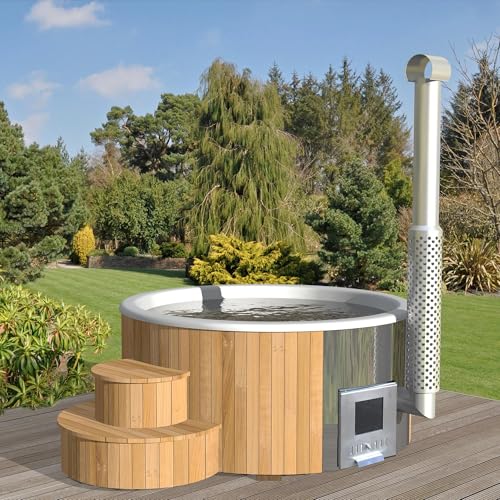
After spending the past two years testing, researching, and visiting showrooms and trade shows across the UK, I can tell you this: the Gardenvity Round 180 with External Stove is the best wood-fired hot tub for most UK buyers. It hits the sweet spot between build quality, heating performance, and value — sitting at around £3,200-£3,800 delivered, with a fibreglass-lined interior that makes maintenance manageable and an external stove that keeps your bathing space uncluttered. If you want the very best regardless of price, the Skargards Regal is in a different league — but for most of us, the Gardenvity delivers 90% of the experience at half the cost.
Before you spend a penny, it’s worth understanding how to choose a hot tub that suits your lifestyle — wood-fired tubs are a different beast to electric models, and the buying criteria shift quite a bit.
Why Go Wood-Fired?
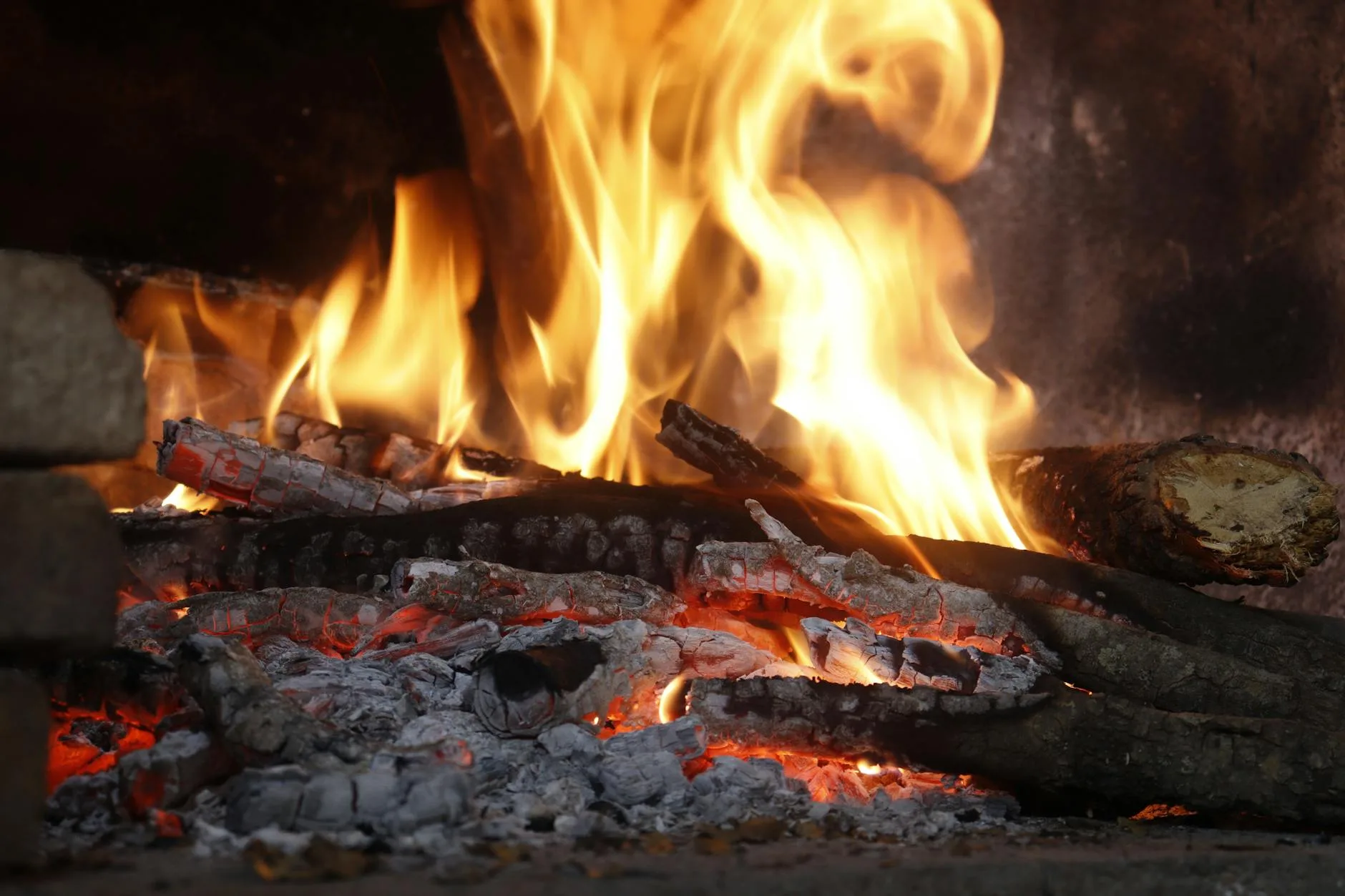
The appeal is hard to overstate once you’ve experienced it. There’s something primal about heating water with fire — no humming pump, no electricity bill creeping up, just the crackle of logs and the gradual rise in temperature. I remember the first time I sat in one at a friend’s cabin in the Cotswolds; the smell of cedar and wood smoke, the stars overhead, and not a single LED light in sight. It was the opposite of a modern spa experience, and that was the whole point.
Beyond the romance, there are practical reasons wood-fired tubs make sense for UK gardens:
- No electrical connection required — ideal for rural properties, allotments, or bottom-of-garden placements where running a 32A cable would cost a fortune
- Lower running costs — a session uses about 10-15kg of seasoned hardwood (roughly £3-5 worth if you’re buying logs, or free if you have access to woodland)
- Works during power cuts — when Storm Whatever knocks out the grid in January, your tub still works
- Simpler installation — most arrive flat-packed or pre-assembled, no electrician needed
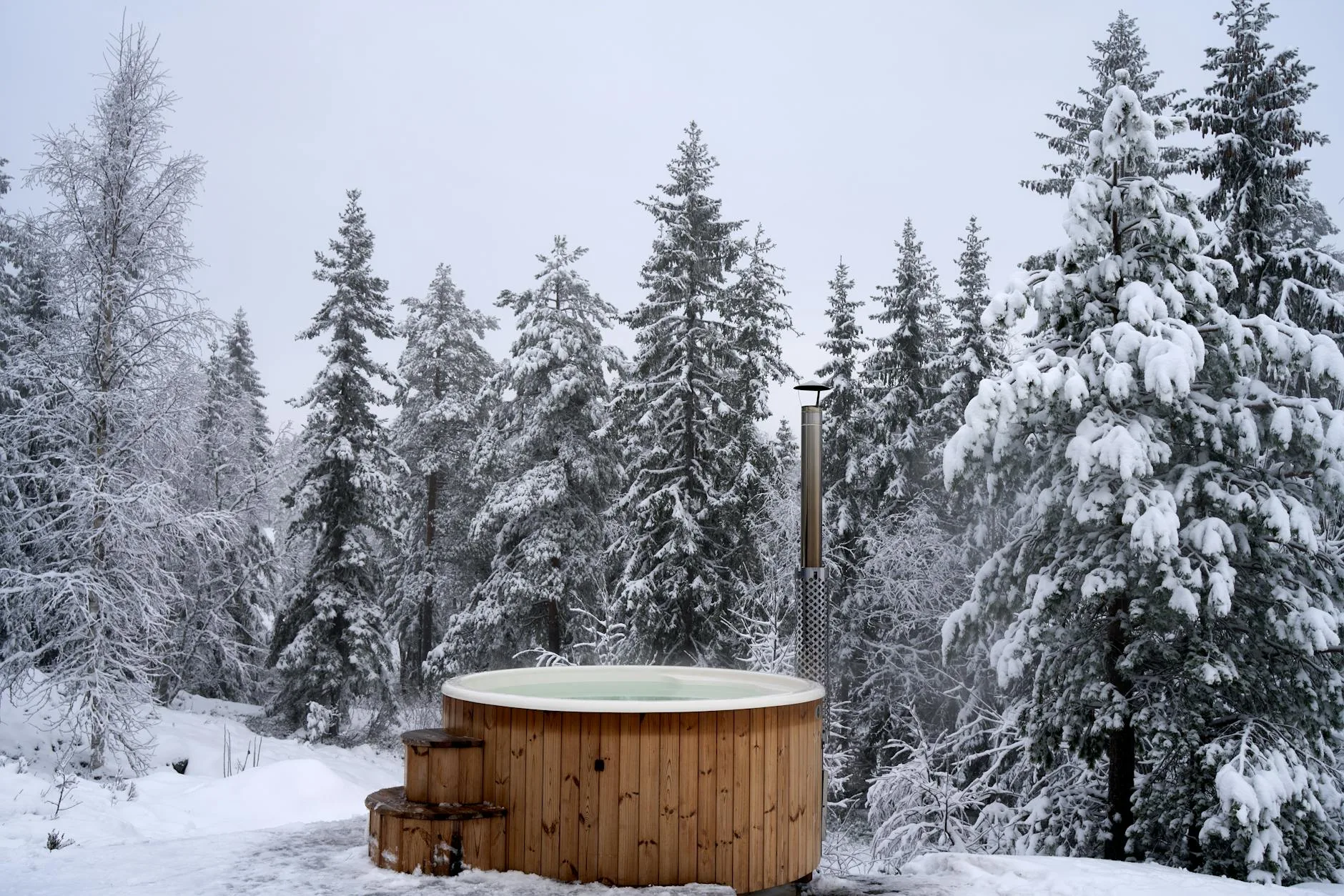
- Year-round character — wood-fired tubs look and feel better in winter than their plastic counterparts
The trade-off? You need 1.5-3 hours to heat the water from cold, and you’ll be managing the fire rather than pressing a button. If that sounds like effort rather than pleasure, an inflatable hot tub might suit you better. No shame in that.

How to Choose a Wood-Fired Hot Tub
Not all wood-fired tubs are built the same, and the wrong choice can mean years of frustration. Here’s what actually matters.
Material and Construction
The tub itself typically comes in three forms:
- All-wood (cedar, larch, or thermowood) — traditional, beautiful, but demands regular treatment and will eventually leak if neglected. Expect to re-tighten straps seasonally. Prices from about £1,200-£2,500.
- Fibreglass-lined with wooden exterior — the modern sweet spot. The fibreglass interior is watertight, easy to clean, and holds heat well. The wooden cladding gives you the aesthetic. Prices from about £2,500-£5,000.
- Polypropylene-lined with wooden exterior — similar concept to fibreglass but uses moulded plastic. Slightly cheaper, decent durability, though some lack the premium feel. Prices from about £2,000-£3,500.
My strong advice: unless you’re committed to traditional upkeep (and enjoy the process), go fibreglass-lined. After the first winter with an all-wood tub, you’ll understand why most people upgrade.
Internal vs External Stove
This is the biggest design decision you’ll make:
- Internal stove — sits inside the tub, usually behind a wooden fence/guard. Heats water faster (direct contact), but takes up bathing space and poses a burn risk. You also can’t add wood while you’re soaking without reaching over hot surfaces. Budget models almost always use internal stoves.
- External stove — sits outside the tub, connected by pipes. Takes slightly longer to heat (the water circulates through the stove via thermosiphon), but gives you full use of the tub space and lets you feed the fire comfortably. Every premium brand has moved to external stoves, and for good reason.
Capacity and Size
Wood-fired tubs are typically round, and sized by diameter:
- 150cm diameter — fits 2-3 adults comfortably. Good for couples. Heats faster due to lower water volume (about 800-1,000 litres).
- 180cm diameter — the most popular size. Seats 4-5 adults. Around 1,200-1,500 litres. This is the one to get if you entertain or have a family.
- 200cm+ diameter — seats 6-8. Takes noticeably longer to heat and uses more wood. Only worth it if you regularly have larger groups.
Heating Time and Fuel
Expect 1.5-3 hours to heat from cold to 38-40°C, depending on tub size, stove power, outside temperature, and how well-seasoned your wood is. In my experience, a good 24kW external stove gets a 180cm tub to temperature in about 2 hours during autumn. Mid-winter, allow closer to 3 hours.
Use seasoned hardwood — oak, ash, or birch work brilliantly. Softwood burns fast and dirty, leaving more creosote. If you’re buying logs, expect to pay £80-120 per cubic metre in the Home Counties, less up north. A session uses roughly a wheelbarrow’s worth.
Filtration and Water Management
Traditional wood-fired tubs are fill-and-drain: you fill before each use, empty after. This is authentic but wastes water and time. Modern hybrid systems (like Gardenvity’s sand filter option) let you keep water for 4-8 weeks with minimal chemical treatment. If you plan to use your tub more than once a week, a filtration system is worth every penny. Our guide to hot tub water chemistry covers the basics of keeping treated water balanced.
Best Overall: Gardenvity Round 180 with External Stove
Price: £3,200-£3,800 (depending on configuration) | Buy from: gardenvity.co.uk
Gardenvity is a European manufacturer that ships directly to UK addresses from their Peterborough warehouse, cutting out reseller markups. The Round 180 is their most popular model and it’s easy to see why.
The fibreglass interior is smooth, easy to clean, and comes in a handful of muted colours (I’d go with the grey — it hides mineral staining better than white). The thermowood cladding is attractive and rot-resistant without needing annual treatment. The external stove is a solid stainless steel unit rated at 24kW, which gets this tub to 38°C in about 2 hours using seasoned birch.
What sets Gardenvity apart from the budget fibreglass brands is the optional extras that actually work. Their sand filter system (about £300 extra) keeps water usable for 4-6 weeks. The hydro-massage jet option adds genuine comfort rather than being a gimmick. And their after-sales support is surprisingly good for a direct-to-consumer brand — real people who use the products, not scripted call-centre responses.
- Capacity: 4-5 adults
- Diameter: 180cm
- Water volume: approximately 1,300 litres
- Stove: 24kW stainless steel external
- Heating time: about 2 hours in mild conditions
- Delivery: free to mainland UK
The downsides? Assembly takes a solid afternoon (the instructions could be clearer), and the base model doesn’t include a cover — budget an extra £150-200 for a proper insulated lid.
Best Premium: Skargards Regal
Price: £6,500-£8,000 | Buy from: skargards.com (UK delivery available)
If money isn’t the primary concern and you want the finest wood-fired hot tub available in the UK, Skargards is the name. This Swedish company has been building outdoor tubs since 2007, and the Regal is their flagship.
The construction quality is immediately obvious. The tub uses a marine-grade fibreglass shell with a clean Scandinavian design — no visible wooden cladding, just smooth curves in tasteful greys or blacks. The integrated PanelHeater sits flush against the tub wall, heating efficiently while remaining almost invisible. It’s a different design philosophy to the traditional barrel-and-chimney look, and it divides opinion, but there’s no arguing with the engineering.
The Regal heats faster than any other wood-fired tub I’ve used — under 90 minutes in summer, about 2 hours in winter. The insulation is exceptional, so it holds temperature for hours without additional feeding. Skargards also offer a CleanSystem add-on for long-term water management.
- Capacity: 6 adults
- Construction: marine-grade fibreglass
- Stove: integrated PanelHeater
- Heating time: 1.5-2 hours
- Weight empty: approximately 200kg
The price is the obvious barrier. You’re paying for Swedish design, premium materials, and a brand with a genuine track record. If you can justify it, you won’t be disappointed.
Best Budget: Baltresto Fibreglass Round (4-Person)
Price: £1,800-£2,400 | Buy from: baltresto.com (ships to UK)
Baltresto is an Estonian manufacturer that’s become hugely popular across Europe, and they offer the best entry point into fibreglass-lined wood-fired tubs. Their round 4-person model gives you a solid tub at a price that competes with the all-wood alternatives.
The fibreglass is decent quality — not as refined as Gardenvity’s finish, but perfectly functional. The external stove is a standard stainless steel unit, nothing fancy, but it does the job. The thermowood cladding is lighter-weight than some competitors, which makes assembly easier but feels slightly less robust.
Where Baltresto wins is range. They offer round, oval, square, and octagonal tubs in sizes from 2-person to 9-person, all at competitive prices. If you want a specific shape or size, Baltresto probably makes it.
- Capacity: 3-4 adults
- Diameter: 160cm
- Water volume: approximately 900 litres
- Stove: external stainless steel
- Heating time: about 1.5 hours
- Delivery: ships from Estonia, typically 2-3 weeks
The downsides: delivery from Estonia adds time and occasionally complications (check their UK shipping terms carefully). Customer support is functional but not as responsive as Gardenvity. And the base configuration is very basic — you’ll want to add insulation and a cover at minimum.
Best for Traditionalists: Kirami Original
Price: £2,800-£3,500 | Buy from: via UK retailers (check kirami.com for stockists)
Kirami is the world’s largest manufacturer of wood-fired hot tubs, based in Finland and now part of the Harvia Group (the sauna giant). Their Original range uses genuine Nordic craftsmanship with all-wood construction — no fibreglass or plastic liners.
If you want the authentic Scandinavian experience and you’re willing to maintain a wooden tub, Kirami is the gold standard. The spruce and thermowood construction is beautiful, and the joinery is tight. Their integrated stove design is one of the better internal-stove implementations, with a proper guard system that minimises burn risk.
Kirami has a solid UK dealer network, which means you can often see models in person before buying. That’s a genuine advantage in a market where most competitors are online-only.
- Capacity: 4-6 adults (varies by model)
- Construction: Nordic spruce/thermowood
- Stove: integrated internal
- Heating time: 2-2.5 hours
- UK stockists available
The honest truth: all-wood tubs need more love. You’ll re-tighten the steel straps, you’ll treat the wood, and you’ll accept that it won’t look showroom-fresh after a couple of winters outdoors in the British climate. But there’s an argument that this character is part of the appeal.
Best Compact: Gardenvity Oval for 2 Persons
Price: £2,400-£2,800 | Buy from: gardenvity.co.uk
Not everyone has space (or need) for a 180cm round tub. The Gardenvity Oval is purpose-built for couples and smaller gardens. The oval shape fits neatly against a wall or fence, taking up far less deck space than a round model while still being comfortable for two adults.
Same fibreglass quality as their larger tubs, same external stove system, and the smaller water volume (about 700 litres) means heating time drops to around 90 minutes. If it’s just you and your partner using it, this is the smarter buy — less water, less wood, less time waiting.
- Capacity: 2 adults
- Dimensions: roughly 130cm × 100cm
- Water volume: approximately 700 litres
- Heating time: about 90 minutes
Gardenvity vs Skargards vs Baltresto: Which Should You Buy?
This is the question that comes up in every forum thread, so let’s be direct.
Choose Gardenvity if: you want the best balance of quality, features, and price. Their UK warehouse means faster delivery and easier returns. The sand filter option makes ongoing water management painless. For the majority of UK buyers, this is the right choice.
Choose Skargards if: budget isn’t a constraint and you want the most refined product available. The build quality, heating efficiency, and design are a step above everyone else. Also worth it if you’re furnishing a holiday let or Airbnb — the Skargards name carries weight.
Choose Baltresto if: you’re budget-conscious and happy with a more basic setup. You get fibreglass quality at near-wood prices, and their range of shapes and sizes is unmatched. Accept that delivery and support won’t be as smooth as a UK-based operation.
Choose Kirami if: authenticity matters more than convenience. All-wood construction, Finnish heritage, and the ability to see models in person via UK dealers. Be prepared for higher maintenance.
For a broader look at which manufacturers hold up over time, our guide to the best hot tub brands in the UK covers both wood-fired and electric brands.

Installation and Placement Tips
Getting a wood-fired hot tub into your garden is simpler than an electric spa, but there are still things people get wrong.
Base preparation: You need a flat, solid, level surface that can support the tub’s full weight (a 180cm tub filled with water and people can weigh 1,500-2,000kg). Concrete slabs, compacted gravel pads, or reinforced decking all work. Grass doesn’t — it’ll sink and become a muddy nightmare.
Distance from boundaries: The stove chimney produces smoke, particularly during the first 20 minutes of lighting. Keep the tub at least 2 metres from your house walls, fences, and overhanging branches. Check your local council’s rules on outdoor fires — most are fine with occasional wood burning, but smokeless zones exist and may apply.
Drainage: You’ll need somewhere for the water to go when you drain. A soaker hose into a flower bed works well (the warm water is great for the garden, assuming you haven’t used excessive chemicals). Avoid draining onto clay soil near foundations.
Winter use: This is when wood-fired tubs shine. To get the most from winter soaking, prepare proper insulation around your hot tub and always use an insulated cover between sessions. If temperatures drop below -5°C and you’re not using the tub for a while, drain it completely to prevent frost damage.
Planning permission: Generally not required for a hot tub in your garden, as it’s classed as a temporary structure. However, if you’re in a conservation area, listed building, or building a permanent structure around the tub (a gazebo or deck), check with your local planning department.
Running Costs and Maintenance
One of the biggest draws of wood-fired is the low running cost. Here’s what to expect:
- Fuel: £3-8 per session depending on tub size, how much wood you use, and your local log prices. Buying a cubic metre of kiln-dried hardwood (about £100-140) gives you roughly 15-20 sessions.
- Water: about 1,000-1,500 litres per fill. If you’re on a water meter, that’s roughly £3-5. With a sand filter, you refill monthly rather than per session.
- Chemicals: minimal if draining after each use. With a filtration system, budget about £10-15 per month for chlorine/bromine and pH balancers.
- Maintenance: annual wood treatment if you have an all-wood tub or wooden cladding. Stove service every year or two. Chimney sweep the flue annually.
Compare that to an electric hot tub costing £30-60 per month in electricity alone, and the economics are compelling — especially if you have access to cheap or free firewood.
Wood-Fired Hot Tub Safety
A quick note, because this matters. According to the Royal Society for the Prevention of Accidents (RoSPA), all hot tubs should follow basic safety precautions:
- Never leave children unattended near a hot tub — this applies doubly to wood-fired models where the stove is an additional hazard
- Keep the stove area clear of flammable materials, towels, and clothing
- Use a spark arrestor on the chimney top to prevent embers landing on nearby surfaces
- Test water temperature before entering — wood-fired tubs can overshoot 40°C more easily than thermostat-controlled electric models
- Carbon monoxide risk — never use a wood-fired hot tub inside an enclosed space or under a fully enclosed canopy
Frequently Asked Questions
How long does a wood-fired hot tub take to heat up? Most wood-fired hot tubs take between 1.5 and 3 hours to reach a comfortable 38-40°C from cold. The exact time depends on tub volume, stove power, outside temperature, and the quality of your firewood. Smaller tubs (150cm) with efficient stoves can manage 90 minutes in summer.
Can you leave water in a wood-fired hot tub? With a basic fill-and-drain setup, you should empty the tub after each use or within 24 hours. However, if your tub has a filtration system (sand filter or UV lamp), you can keep the water clean for 4-8 weeks with regular chemical treatment.
Do you need planning permission for a wood-fired hot tub in the UK? In most cases, no. A hot tub is typically classed as a temporary garden structure under permitted development rights. However, check with your local council if you live in a conservation area, near a listed building, or if you plan to build a permanent enclosure.
What wood should you burn in a hot tub stove? Seasoned hardwood is the best fuel — oak, ash, birch, and beech all burn hot and clean. The wood should be dried to below 20% moisture content. Avoid softwoods as your main fuel and never burn treated, painted, or MDF wood.
Are wood-fired hot tubs expensive to run? They're among the cheapest hot tubs to operate. A typical session costs £3-8 in firewood, compared to £30-60 per month for an electric hot tub. If you have access to free firewood, your fuel cost drops to essentially zero.
The Bottom Line
Wood-fired hot tubs are one of those rare purchases where the cheaper option is also the more characterful one. No electricity, no complex plumbing, no monthly energy bills that make you wince. Just fire, water, and whatever the British weather decides to throw at you.
For most UK buyers, the Gardenvity Round 180 is the one I’d recommend. It balances quality, practicality, and price better than anything else on the market. The fibreglass interior saves you from the maintenance headaches of all-wood construction, the external stove is well-engineered, and Gardenvity’s UK warehouse means you’re not waiting weeks for Estonian or Finnish delivery.
If you want the absolute best and have the budget, the Skargards Regal is worth every penny of its premium. And if you’re testing the waters (literally) on a tighter budget, the Baltresto range gives you a solid entry point under £2,500.
Whichever you choose, the first evening you sit in a wood-fired tub in your own garden — fire crackling, steam rising, probably wearing a woolly hat because it’s November — you’ll wonder why you didn’t do it sooner.